 Nail Fungus Cures Instant Cures for Painful Nails and Fungus

Related Articles



- Nail fungus affects a significant portion of the population, and most people don’t realize they have it until the infection is already progressing beneath the nail.
- Antifungal nail polishes split into two categories — cosmetic cover-ups and actual treatment formulas — and choosing the wrong one wastes time and money.
- Ciclopirox (Penlac) is the only FDA-approved antifungal nail lacquer available, making it the gold standard when comparing prescription versus over-the-counter options.
- Key active ingredients to look for include undecylenic acid, tolnaftate, tea tree oil, and ciclopirox — each working differently depending on severity.
- Natural remedies and treatment-forward polishes can be highly effective for mild to moderate fungal infections, but knowing when to escalate to a doctor is just as important as knowing which product to buy.
Nail fungus is stubborn, embarrassing, and surprisingly easy to pick up — but the right antifungal nail polish can treat the infection while keeping your nails looking presentable at the same time.
If you’ve been searching for honest antifungal nail polish reviews, you’re not alone. Millions of people deal with toenail and fingernail fungus every year, and the product market is flooded with options that range from genuinely effective to completely useless. Navigating natural and clinical solutions in this space is something that requires real information, not marketing fluff — and that’s exactly what this guide delivers.
Fungal Nails Are More Common Than You Think
Onychomycosis — the clinical term for nail fungus — is one of the most common nail conditions worldwide. It’s estimated to affect up to 14% of the general population, with rates climbing higher in older adults. You don’t have to be unhygienic to get it. Public pools, locker rooms, shared nail tools, and even tight-fitting shoes are all common transmission points.
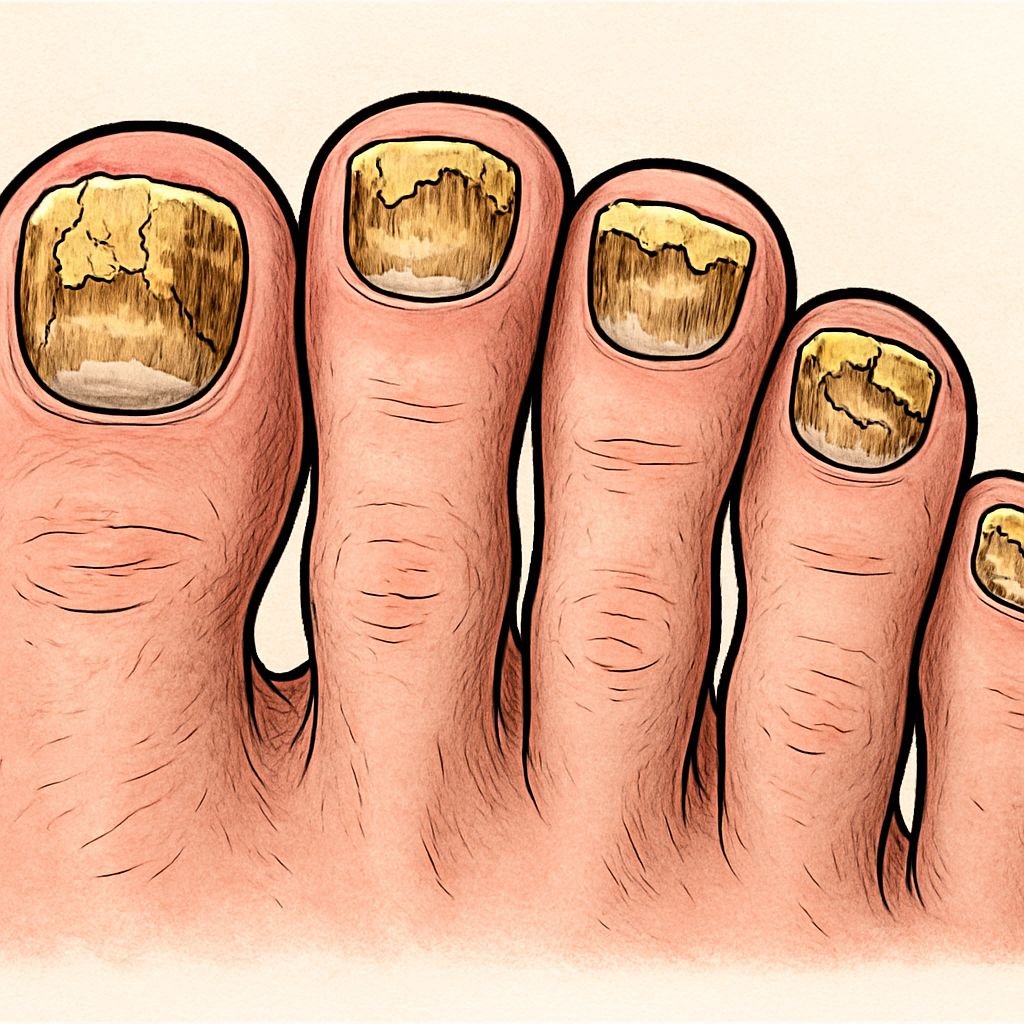
What Nail Fungus Actually Looks Like
In the early stages, nail fungus often looks like a small white or yellow spot under the tip of the nail. Most people brush it off as a bruise or discoloration from nail polish. That’s a costly mistake — by the time the nail turns thick, brittle, and crumbly, the infection has already embedded itself deep in the nail bed.
The infected nail may also separate slightly from the nail bed, a condition called onycholysis. There can be a faint but unpleasant odor, and in some cases, the surrounding skin becomes inflamed. These are signs the fungus is active and spreading, not just a cosmetic issue.
Why Fungal Nails Are Hard to Treat
The challenge with nail fungus is physical. The nail plate acts as a protective barrier — which is great for your finger, but terrible when you’re trying to get antifungal ingredients to reach the infection underneath. Most topical treatments struggle to penetrate deep enough to fully eliminate the fungus, which is why consistency and the right formulation matter enormously.
Fungal infections also tend to recur. Even after a nail looks clear, dormant spores can re-activate, especially if the underlying cause — moisture, footwear, or immune function — hasn’t been addressed. This is why many people cycle through products without ever seeing lasting results.
How Antifungal Nail Polish Works
Antifungal nail polish is designed to deliver active antifungal compounds directly to the nail and the nail bed through a lacquer-style formula. Unlike regular nail polish, which sits purely on the surface, antifungal versions are formulated to absorb into the nail plate over time, building up a therapeutic layer with each application.
Treatment vs. Cosmetic Coverage: What’s the Difference
This is the most important distinction you need to understand before buying anything. There are two very different types of products marketed as “antifungal nail polish,” and they are not interchangeable.
- Treatment polishes contain active antifungal agents like ciclopirox, undecylenic acid, or tolnaftate. Their primary goal is to kill or inhibit fungal growth beneath and within the nail.
- Cosmetic antifungal polishes (like Dr. Remedy) include ingredients that create a hostile environment for fungus while also providing pigmented color coverage. They’re better for prevention and mild cases.
- Regular nail polish worn over an infection can actually trap moisture and make fungal growth worse — even if it looks better cosmetically.
The right choice depends entirely on where you are in your treatment journey. Active, visible infection needs a treatment-first formula. If you’re in maintenance or prevention mode, a cosmetic antifungal polish may be perfectly adequate.
Active Ingredients That Actually Fight Fungus
Not all antifungal ingredients are created equal. Ciclopirox is the heavy hitter — it’s the only FDA-approved prescription antifungal nail lacquer and works by disrupting the cell membrane of the fungal organism. For over-the-counter options, undecylenic acid (derived from castor oil) and tolnaftate are the most clinically recognized antifungal agents. Tea tree oil, while natural, has demonstrated genuine antifungal activity in studies and is a solid choice for mild infections or as a complementary treatment.
How Long It Takes to See Results
Patience is non-negotiable with antifungal nail treatments. Toenails grow approximately 1.5mm per month, which means a full nail replacement takes anywhere from 12 to 18 months. Most antifungal polishes require daily or every-other-day application for several months before significant improvement is visible.
Fingernails grow faster — roughly 3mm per month — so you may see results in as little as 6 months for fingernail infections. The key is not stopping treatment as soon as the nail starts to look better. Premature discontinuation is the number one reason fungal infections return.
Some prescription-strength treatments like Penlac (ciclopirox 8% nail lacquer) require a weekly removal process: applying daily for seven days, then wiping the accumulated layers clean with alcohol before starting the cycle again. This method helps prevent buildup that could block further penetration of the active ingredient.
1. Ciclopirox (Penlac) Antifungal Nail Lacquer
Penlac Nail Lacquer, containing 8% ciclopirox, is the benchmark product in this category. It’s a prescription-only treatment manufactured by Dermik Laboratories and is the only FDA-approved topical treatment for mild to moderate onychomycosis without involvement of the lunula (the white crescent at the base of the nail). It comes in a clear lacquer format — no color — and functions purely as a medical treatment.
Who It’s Best For
Penlac is best suited for people with confirmed nail fungus who have already tried OTC options without success. It’s particularly effective for those with mild to moderate infections where the nail root has not yet been compromised. Because it’s prescription-only, you’ll need a dermatologist or podiatrist visit to obtain it — but that’s also an advantage, since you’re getting a properly diagnosed treatment rather than guessing. For those seeking additional information on long-term treatment solutions, exploring other options can be beneficial.
It’s not recommended as a standalone treatment for severe infections. In those cases, doctors typically combine Penlac with oral antifungals like terbinafine or itraconazole for a dual-action approach.
How to Apply It Correctly
Application technique makes a significant difference in how well ciclopirox performs. The correct process is more involved than simply painting your nails.
First, trim and file the infected nail as thin as possible before your first application. This physically reduces the thickness of the barrier the formula has to penetrate. Then apply a thin, even layer of the lacquer over the entire nail surface and 5mm of surrounding skin, using the applicator brush provided.
- Apply once daily, ideally at bedtime
- Allow the lacquer to dry completely before putting on socks or shoes
- Once a week, remove all accumulated layers using isopropyl alcohol
- Trim and file the nail again during your weekly removal session
- Continue the cycle for up to 48 weeks as directed by your doctor
Skipping the weekly removal step is one of the most common application errors. The buildup of old lacquer layers creates a physical barrier that blocks fresh ciclopirox from reaching the nail bed — completely undermining the treatment.
2. Dr. Remedy Enriched Nail Polish
Dr. Remedy sits in a different category from Penlac. It’s a cosmetic antifungal nail polish developed by podiatrists, designed for people who want color coverage while maintaining a fungus-resistant nail environment. It’s widely recommended by foot care specialists for patients with diabetes, as it’s free from formaldehyde, toluene, DBP, and camphor — chemicals found in conventional nail polishes that can be harmful for sensitive or compromised skin.
While it won’t cure an active moderate-to-severe infection on its own, Dr. Remedy is one of the most thoughtfully formulated products in the cosmetic antifungal category. It’s ideal for maintenance, prevention, and very mild early-stage infections.
Key Antifungal Ingredients
Dr. Remedy includes tea tree oil and garlic bulb extract — both of which have documented antifungal properties. Tea tree oil (Melaleuca alternifolia) contains terpinen-4-ol, its primary active compound, which disrupts fungal cell membranes in a mechanism similar to pharmaceutical antifungals. Garlic extract contains allicin, which has demonstrated broad-spectrum antimicrobial activity. Together, these natural ingredients create a formula that’s genuinely more than just pigment.
It also contains wheat protein and biotin to support nail strength, which addresses the structural damage fungal infections cause to the nail plate — something purely pharmaceutical treatments don’t target.
Color Options and Coverage Quality
Dr. Remedy offers an extensive range of shades — over 40 colors — which is a major selling point for anyone who wants their nails to look polished during treatment. Coverage is comparable to standard salon-quality nail polish, and the formula dries to a glossy finish. It’s available in both full-opacity shades and sheers, making it versatile for both fingernails and toenails.
3. Fungi-Nail Antifungal Pen
The Fungi-Nail Antifungal Solution Pen is one of the most convenient delivery formats in the over-the-counter antifungal space. It uses a click-pen applicator that dispenses a controlled amount of solution directly onto the nail and surrounding skin, eliminating the mess and inconsistency of traditional brush-on lacquers. The active ingredient is undecylenic acid at 25% concentration — one of the highest concentrations available in an OTC topical antifungal product.
It’s particularly well-suited for toenail infections because the precision tip allows you to target the nail edges and the skin folds alongside the nail — areas where fungal spores commonly accumulate. The formula dries quickly and doesn’t leave a thick coating, making it easy to use before putting on socks or shoes in the morning. For people who struggle with the weekly removal protocol of lacquer-based treatments, the pen format is a genuinely practical alternative.
4. Arishine Toenail Fungus Treatment
Arishine Toenail Fungus Treatment has built a strong following in the OTC natural treatment market, largely because it combines multiple active ingredients in a single formula. It contains undecylenic acid alongside a blend of natural oils including jojoba seed oil, lavender oil, and vitamin E — ingredients that support nail health while the antifungal agents do their work. It comes in a brush-on applicator bottle similar to traditional nail polish, making it approachable for first-time users. For more information on treating multiple nail infections, check out our guide on treatment approaches.
What Makes It Stand Out
What separates Arishine from many competitors is its focus on nail restoration alongside antifungal action. Fungal infections degrade the keratin structure of the nail, leaving it brittle, pitted, and discolored even after the infection clears. The jojoba and vitamin E components in Arishine actively nourish the nail plate, supporting faster visible recovery. This dual approach — kill the fungus, rebuild the nail — is something most single-ingredient treatments don’t address.
The formula is also free from parabens and artificial fragrances, making it a solid choice for those with sensitive skin around the nail bed. User feedback consistently highlights improvement in nail texture and color within 4 to 8 weeks of consistent daily use, though complete clearance still requires several months of continued application.
5. Emuaid Maximum Strength Antifungal Treatment
Emuaid Maximum Strength is a unique product in this lineup because it isn’t technically a nail polish or lacquer — it’s a topical ointment that delivers a concentrated antifungal and antibacterial formula to the nail and surrounding tissue. The star ingredient is 2% undecylenic acid, but the formula also includes emu oil as a carrier, which is particularly notable. Emu oil has demonstrated an ability to penetrate the skin barrier more effectively than many conventional carriers, potentially improving delivery of the active antifungal agents to deeper nail tissue.
The Maximum Strength version also contains a homeopathic blend including Argentum metallicum, designed to support tissue healing and reduce inflammation around the infected nail. Whether or not the homeopathic components contribute meaningfully to antifungal outcomes, the base formula is well-constructed and the emu oil carrier gives it a real penetration advantage over water-based topical treatments.
How It Compares to Nail Polish Formats
The ointment format means Emuaid doesn’t provide any cosmetic coverage — you won’t get the nail-polish appearance that products like Dr. Remedy offer. However, for people dealing with painful, severely thickened, or inflamed toenails where cosmetics are not a priority, Emuaid’s ointment format allows broader application across the entire nail and surrounding skin. It’s best used as an overnight treatment, applying a generous layer and covering with a breathable cotton sock to allow absorption while you sleep.
6. Nail Tek Hydration Therapy
Nail Tek Hydration Therapy occupies an interesting position in the antifungal nail product space. It’s primarily a nail strengthener and hydration treatment, but its formulation creates conditions that are inhospitable to fungal growth. It’s particularly valuable as a maintenance product for people recovering from a fungal infection, where the nail plate has been structurally damaged and needs active rebuilding alongside continued antifungal protection.
Feature Nail Tek Hydration Therapy Standard Nail Hardener Hydrates nail plate ✓ Yes ✗ No Antifungal ingredients Indirect (creates dry environment) None Formaldehyde-free ✓ Yes Often No Suitable for diabetics ✓ Yes Varies Use during active infection As complement only Not recommended
Nail Tek works best when paired with an active antifungal treatment rather than used as a standalone therapy. Think of it as the recovery phase product — once you’ve completed a treatment cycle with Penlac or Arishine and the fungus is under control, Nail Tek helps restore the structural integrity of the nail so it grows back healthy, smooth, and strong.
The formula uses a hydrolyzed keratin and silk amino acid complex to reinforce the nail plate from the outside. Applied as a base coat before any color polish, it creates a protective layer that locks out moisture from the nail surface while maintaining internal nail hydration — a balance that’s critical for preventing fungal recurrence.
7. Mycocide NS Antifungal Treatment
Mycocide NS is one of the longest-standing OTC antifungal nail treatments on the market. It uses a brush-on format with a water-based formula containing undecylenic acid as the primary active agent. What distinguishes Mycocide NS from other brush-on treatments is its specific formulation for nail penetration — the vehicle is designed to carry the undecylenic acid through the nail plate more efficiently than a standard solution.
It’s a no-frills product in terms of packaging and presentation, but it has maintained a loyal user base for decades precisely because it delivers consistent results when used correctly. It dries clear and can technically be worn under nail polish, though for active infections, wearing any occlusive polish over the treatment is generally not recommended.
Clinical Backing and Ingredients
Undecylenic acid, the active ingredient in Mycocide NS, is a fatty acid derived from castor oil that has been used as an antifungal agent since the 1940s. It works by inhibiting the conversion of the yeast form of Candida and dermatophyte fungi into their more invasive mycelial form — essentially stopping the fungus from spreading and establishing new colonies within the nail structure.
The concentration in Mycocide NS is clinically relevant for mild to moderate OTC-appropriate infections. It won’t replicate the outcomes of prescription ciclopirox for severe cases, but for early-stage infections or as a preventative treatment for people prone to recurrence, it’s a well-proven and affordable option that doesn’t require a doctor’s visit.
Mycocide NS also contains tea tree oil as a complementary antifungal ingredient, adding a secondary mechanism of action to the formula. The combination of undecylenic acid and tea tree oil creates a broader-spectrum approach than either ingredient alone, which is a meaningful formulation advantage over single-ingredient products.
- Active ingredient: Undecylenic acid (clinically proven OTC antifungal)
- Secondary ingredient: Tea tree oil for complementary antifungal support
- Format: Brush-on, dries clear
- Best for: Early to moderate infections, recurrence prevention
- Application: Twice daily to affected nails
- Availability: Over-the-counter, no prescription required
For maximum effectiveness, file the nail surface lightly before each application session to thin the nail plate and improve product penetration. This simple step dramatically increases how much undecylenic acid actually reaches the infection site rather than sitting on top of the nail surface.
What to Look for in Antifungal Nail Polish
With dozens of products competing for attention in this space, it’s easy to get drawn in by clever packaging or unverifiable marketing claims. The reality is that a handful of specific factors separate products that genuinely treat nail fungus from those that simply look good on a shelf.
The most important thing to understand is that the label “antifungal nail polish” can legally be applied to products with wildly different levels of therapeutic activity. Some contain FDA-recognized active ingredients at effective concentrations. Others contain trace amounts of natural extracts that sound antifungal but are included more for marketing than clinical effect. Knowing how to read a product label critically is your most powerful tool when shopping in this category.
Beyond the active ingredients, practical factors like application format, wear time, and safety for specific health conditions all play a role in which product is actually right for your situation. Here’s what to evaluate before you buy. For more information on ensuring safety, consider these salon safety guidelines.
1. Look for Proven Antifungal Ingredients
This is the non-negotiable starting point. If a product doesn’t list a recognized antifungal active ingredient on its Drug Facts panel or ingredient list, it’s not treating your fungus — it’s covering it. The most effective antifungal ingredients to look for, from strongest to mildest, are:
Ingredient Type Strength Level Rx Required? Ciclopirox 8% Synthetic antifungal Strongest topical Yes Undecylenic Acid Fatty acid (natural-derived) Strong OTC No Tolnaftate 1% Synthetic antifungal Moderate OTC No Tea Tree Oil Natural essential oil Mild to moderate No Garlic Extract (Allicin) Natural botanical Mild No
Ciclopirox is in a class of its own as the only topical nail antifungal with FDA approval. If you have a confirmed moderate infection, pursuing a prescription for Penlac or a generic ciclopirox lacquer is worth the dermatologist visit. For mild infections, undecylenic acid at 25% concentration is the strongest OTC option available without a prescription.
Tea tree oil deserves special mention as a natural remedy because it’s genuinely backed by research, not just tradition. Its active component terpinen-4-ol has been shown to inhibit dermatophytes — the most common group of fungi responsible for nail infections. It won’t replace ciclopirox for a stubborn infection, but as part of a multi-ingredient formula or for very early-stage infections, it’s a legitimate therapeutic ingredient. For those seeking long-term solutions for chronic infections, tea tree oil can be an effective component.
Avoid products that list antifungal-sounding botanicals without specifying concentrations or that bury these ingredients deep in a long list — they’re almost certainly present at sub-therapeutic levels included for label appeal only.
2. Decide Between Treatment-Only or Color Coverage
If you have an active infection, your first priority should always be a treatment-focused formula, even if it means temporarily forgoing colored nail polish. Clear treatment lacquers like Penlac or Mycocide NS allow you to monitor the nail’s progress visually and ensure the formula reaches the nail surface without interference. Once the infection is under control, transitioning to a cosmetic antifungal polish like Dr. Remedy is a smart way to maintain nail health while enjoying colored coverage. For more information on treatment approaches, consider reading about single vs. multiple nail infection treatment approaches.
3. Check If It’s Safe for Diabetics
People with diabetes are significantly more susceptible to nail fungal infections due to reduced circulation and immune response in the extremities. At the same time, many conventional nail polish ingredients — including formaldehyde, toluene, and camphor — can be harmful for diabetic skin, which is prone to cracking and slow healing. If you have diabetes, look specifically for products labeled as podiatrist-recommended and free from the “toxic trio” of formaldehyde, DBP, and toluene. Dr. Remedy was specifically formulated with this population in mind and is one of the most widely recommended options by podiatrists for diabetic patients. For more information on causes of yellow toenails and related treatments, consult expert resources.
4. Choose a Breathable Formula
Fungal organisms thrive in warm, moist, oxygen-deprived environments — which is exactly what a thick, occlusive nail polish coating creates. Breathable nail polish formulas, which allow oxygen and moisture to permeate the nail plate, are meaningfully better for fungal nail health than traditional film-forming polishes. Several brands now market “breathable” formulations specifically, and while the technology isn’t universal, choosing a water-permeable formula is a practical step that supports antifungal treatment rather than working against it.
5. Consider Ease of Application
Consistency is what makes antifungal nail treatments work — and consistency is directly tied to how easy and convenient a product is to apply. A highly effective formula that’s messy, time-consuming, or difficult to use is likely to be abandoned before it has a chance to work.
Application Format Best For Ease of Use Brush-on lacquer Full nail coverage, daily treatment Moderate Click-pen applicator Precision application, on-the-go Very Easy Ointment/cream Overnight treatment, severe cases Easy (messy) Colored polish Maintenance, prevention, mild cases Easy
The click-pen format, like the Fungi-Nail Antifungal Pen, wins on convenience. It travels well, applies precisely, and takes less than a minute per nail. For people with busy schedules or dexterity challenges, the pen format dramatically reduces the barrier to daily application — which translates directly to better treatment outcomes.
For home-based overnight regimens, the ointment format offers thorough coverage and the benefit of extended contact time with the nail surface. Pairing an ointment like Emuaid Maximum Strength with a cotton sock overnight creates a simple, low-effort treatment routine that can be maintained long-term without fatigue.
How to Apply Antifungal Nail Polish for Best Results
Getting the application right is just as important as choosing the right product. Even the most potent antifungal formula will underperform if it can’t reach the infection — and that comes down entirely to how you prepare your nails and how consistently you follow through with the treatment routine.
Prep Your Nails Before Application
Start by washing your feet or hands thoroughly with soap and water, then dry completely. Fungus thrives in moisture, so even a small amount of residual water between toes can dilute the treatment and create the exact environment you’re trying to eliminate. Use a clean towel and allow several minutes of air drying before touching any product. For more tips on maintaining healthy nails, check out this guide to preventing toenail fungus.
Next, trim the infected nail as short as safely possible and file the surface of the nail plate with a fine-grit nail file or emery board. This thinning step is critical — it physically reduces the thickness of the keratin barrier between the antifungal formula and the infection underneath. A thinner nail means more active ingredient reaches the nail bed where it actually needs to work.
Wipe the nail surface with isopropyl alcohol on a cotton pad before applying any product. This removes natural oils and any residue that could prevent the antifungal lacquer from adhering properly. Once the alcohol has evaporated completely — usually within 30 seconds — you’re ready to apply.
Prep Step Why It Matters Time Required Wash and dry thoroughly Removes moisture and surface bacteria 2–3 minutes Trim infected nail short Reduces physical barrier to treatment 1–2 minutes File nail surface Thins nail plate, improves penetration 1–2 minutes Wipe with isopropyl alcohol Removes oils and residue for better adhesion 30 seconds Allow to fully dry Ensures clean surface before application 1–2 minutes
How Often to Apply
Most brush-on antifungal nail treatments require once or twice daily application for best results. Prescription ciclopirox (Penlac) follows a specific daily application protocol with a weekly removal cycle using isopropyl alcohol. OTC products like Mycocide NS and Arishine typically call for twice-daily application — morning and bedtime — to maintain a consistent therapeutic level of the active ingredient at the nail surface throughout the day.
Setting a daily reminder on your phone sounds overly simple, but it genuinely works. Treatment failure with topical antifungals is almost always a compliance issue rather than a formulation issue. People start strong, see early improvement, and then quietly stop applying because the nails look better. The fungus isn’t gone — it’s just suppressed. Commit to the full treatment duration, which for most products means a minimum of three to six months, and ideally until a completely healthy new nail has grown in.
When to See a Doctor Instead
If you’ve used an OTC antifungal nail product consistently for three months without any visible improvement, it’s time to see a dermatologist or podiatrist. Severe infections involving the nail matrix (the root), complete nail dystrophy, or spread to multiple nails often require oral antifungal medication — terbinafine or itraconazole — which works systemically through the bloodstream rather than topically through the nail surface. People with diabetes, peripheral vascular disease, or a compromised immune system should consult a doctor before attempting self-treatment, as these conditions dramatically change the risk profile and treatment approach.
Prescription vs. Over-the-Counter Antifungal Polish
The divide between prescription and over-the-counter antifungal nail treatments is significant — not just in terms of ingredient strength, but in terms of what each category is legally and clinically designed to achieve. Understanding where each type fits in the treatment landscape helps you make a smarter first decision and avoid wasting months on the wrong product. For a detailed comparison, you can explore the Jublia vs. Kerydin comparison guide.
When OTC Products Are Enough
Infection Severity Recommended Approach Expected Timeline Very mild (early discoloration) OTC antifungal + natural remedies 3–6 months Mild (one nail, no thickening) OTC treatment (undecylenic acid 25%) 4–8 months Moderate (thickening, 1–2 nails) OTC or prescription lacquer 6–12 months Severe (multiple nails, matrix involved) Prescription oral + topical 12–18 months Recurrent/Chronic Doctor-supervised combination therapy Ongoing management
OTC antifungal nail products are genuinely effective for early-stage infections — the kind most people have when they first notice something is off but before the nail has become severely thickened or structurally damaged. The key is catching the infection early and starting treatment immediately rather than waiting to see if it resolves on its own. Nail fungus does not self-resolve. Left untreated, it always progresses.
Natural antifungal remedies, including tea tree oil applied directly to the nail twice daily, have legitimate clinical support for mild infections. A 2013 study published in the journal Australasian Journal of Dermatology found that a topical preparation of 2% butenafine hydrochloride and 5% Melaleuca alternifolia (tea tree) oil produced complete cure in a significant proportion of participants. Pure tea tree oil used consistently can deliver meaningful results for early-stage onychomycosis without the need for pharmaceutical intervention.
Undecylenic acid remains the strongest OTC option for those who want a more pharmaceutical-grade approach without a prescription. At 25% concentration — as found in the Fungi-Nail Antifungal Pen — it offers clinically relevant antifungal activity that can handle mild to moderate infections when applied correctly and consistently over the required treatment period. For those interested in exploring long-term treatment solutions, there are numerous options available to ensure effective management of fungal infections.
The practical advantage of OTC products beyond accessibility and cost is flexibility. You can adjust your routine, combine complementary products (like a tea tree oil treatment at night and a cosmetic antifungal polish during the day), and integrate maintenance strategies without being locked into a rigid medical protocol. For naturally-minded individuals, this flexibility opens the door to a holistic approach that treats the infection, restores the nail, and prevents recurrence simultaneously.
Signs You Need a Prescription-Strength Treatment
Most people overestimate how bad their nail infection is and assume they need prescription treatment immediately. In reality, a larger number underestimate their infection and persist with OTC products well past the point where they’re adequate. Knowing which side of that line you’re on is critical to effective treatment.
Certain clinical signs clearly indicate that a prescription approach — whether topical ciclopirox or oral terbinafine — is the appropriate next step. These are not subtle signs. If you’re seeing any of the following, book a dermatologist appointment rather than adding another OTC product to your routine.
Sign What It Indicates Nail matrix (base) is visibly infected Deep infection, topicals often insufficient More than 50% of nail affected Moderate-severe, may need oral treatment Complete nail dystrophy Severe structural damage, oral Rx likely needed No OTC improvement after 3 months Fungal species may require targeted Rx Spreading to other nails or skin Active progression, requires stronger intervention Pain or difficulty walking Possible secondary bacterial infection
Oral terbinafine (brand name Lamisil) is the most commonly prescribed systemic antifungal for nail fungus, with cure rates significantly higher than topical-only treatments for moderate to severe cases. It works from the inside out, reaching the nail bed through the bloodstream, which is why it outperforms topical treatments for infections that have established themselves deep in the nail structure. It does carry potential side effects including liver enzyme elevation, so doctors typically run a baseline liver function test before prescribing it for the standard 12-week course.
The Best Antifungal Nail Polish Comes Down to Your Needs
There’s no single best antifungal nail polish for everyone — the right product depends on how severe your infection is, whether you need color coverage, and how committed you are to a consistent daily routine. For active moderate infections, prescription ciclopirox (Penlac) is the clinical gold standard. For mild infections and natural-minded individuals, undecylenic acid at 25% concentration or a tea tree oil-based formula like Arishine or Mycocide NS delivers real results without a prescription. And for maintenance, prevention, and everyday wear, Dr. Remedy Enriched Nail Polish offers the best balance of cosmetic function and antifungal protection available in a colored formula.
Whatever product you choose, the single most important variable is consistency. Apply your chosen treatment daily, follow the correct prep protocol, and commit to the full treatment timeline — because the nails you see today won’t reflect your treatment results for several more months. Healthy nails are grown from the root up, and every daily application is an investment in what you’ll see three, six, and twelve months from now.
Frequently Asked Questions
Here are the most common questions people have when starting antifungal nail treatment for the first time.
Can You Wear Regular Nail Polish Over Antifungal Treatment?
You should avoid wearing regular nail polish directly over an antifungal treatment during an active infection. Conventional nail polishes form an occlusive film over the nail that traps moisture and blocks oxygen, creating the exact warm and humid environment that allows nail fungus to grow. If you use a prescription lacquer like Penlac, applying regular polish on top disrupts the treatment protocol entirely. If cosmetic coverage is important to you during treatment, use a breathable antifungal polish like Dr. Remedy as your treatment vehicle rather than layering conventional polish over a separate treatment.
How Long Does Antifungal Nail Polish Take to Work?
Antifungal nail polish typically takes between 3 and 12 months to produce visible results, depending on the severity of the infection and which product you’re using. Toenails grow at approximately 1.5mm per month, meaning a full toenail replacement cycle takes 12 to 18 months. You may notice the new nail growing in healthier from the base within 6 to 8 weeks of starting treatment, but the full extent of improvement won’t be visible until the old infected nail has completely grown out and been replaced by healthy new growth.
Is Antifungal Nail Polish Safe to Use During Pregnancy?
This depends entirely on which product you’re considering. Prescription ciclopirox (Penlac) is classified as FDA Pregnancy Category B, meaning animal studies haven’t shown fetal risk, but there are no adequate controlled studies in pregnant women. Most healthcare providers advise against using it during pregnancy unless clearly necessary.
For OTC options, undecylenic acid-based products and tea tree oil formulas are generally considered lower risk than pharmaceutical antifungals, but there’s limited formal safety data for topical antifungal use during pregnancy across all trimesters. The safest approach is to consult your OB-GYN or midwife before starting any antifungal nail treatment during pregnancy.
If treatment is essential during pregnancy, maintaining rigorous nail hygiene — keeping nails short and dry, wearing breathable footwear, and changing socks daily — can help slow fungal progression until it’s safe to pursue active treatment. Many mild infections can be managed conservatively until after delivery without significant worsening.
Can Antifungal Nail Polish Cure Nail Fungus Completely?
Topical antifungal nail polish can produce complete mycological cure — meaning no detectable fungus — in mild to moderate infections when used correctly and consistently. The FDA-approved benchmark for Penlac showed complete cure rates in clinical trials, though topical-only treatment generally produces lower complete cure rates than oral antifungal therapy for the same severity of infection.
For mild infections treated with high-quality OTC formulas like undecylenic acid 25% or consistent tea tree oil application, complete clearance is a realistic outcome. The determining factors are infection severity at the start of treatment, consistency of daily application, proper nail prep technique, and whether the underlying environmental factors — moisture, footwear, hygiene — are being addressed simultaneously.
It’s also important to understand that “cure” in the context of nail fungus means both clinical cure (the nail looks normal) and mycological cure (no live fungus present). A nail can look healthy while still harboring dormant fungal spores, which is why continuing a maintenance antifungal routine even after visual clearance is strongly recommended to prevent recurrence.
What Is the Difference Between Antifungal Nail Polish and Regular Nail Polish?
Antifungal nail polish and regular nail polish may look similar in the bottle, but their formulations, purposes, and effects on nail health are fundamentally different.
Feature Antifungal Nail Polish Regular Nail Polish Active antifungal ingredients Yes (ciclopirox, undecylenic acid, tea tree oil) No Treats nail fungus Yes (treatment formulas) No Breathable formula available Yes Some brands Safe over active infection Yes (treatment types) No Contains formaldehyde/DBP Typically no (podiatrist-grade) Often yes Color options Limited to extensive (brand-dependent) Unlimited Nail penetration Designed to penetrate nail plate Surface only
Regular nail polish is a cosmetic product. It’s designed to adhere to the nail surface and create a durable, colored coating — nothing more. It contains no therapeutic compounds and provides no protection against or treatment of fungal infections. In fact, conventional nail polish worn over a fungal infection actively worsens the condition by sealing in moisture and blocking the exchange of oxygen at the nail surface.
Antifungal nail polish — particularly the treatment-focused prescription and OTC varieties — is an entirely different formulation designed for nail penetration. The vehicle (the liquid that carries the active ingredient) is specifically engineered to carry antifungal compounds through the nail plate to the nail bed, where the infection lives. This requires a fundamentally different base formula than what’s used in cosmetic polish.
Even cosmetic antifungal polishes like Dr. Remedy, which are closer to regular nail polish in appearance and texture, differ meaningfully from conventional alternatives. They exclude the chemicals most harmful to nail and skin health, include nail-supportive ingredients, and create a surface environment that discourages fungal growth rather than promoting it. The difference is most significant for people who wear nail polish regularly — switching to a podiatrist-formulated antifungal polish as your everyday choice is a genuinely protective habit, not just a treatment decision.
The bottom line is that regular nail polish and antifungal nail polish are in completely different categories when it comes to nail health. If you have nail fungus, even mild or early-stage, choosing an antifungal formula over a conventional one is an easy win that costs you nothing extra in time or effort and could meaningfully accelerate your recovery or prevent progression.
