 Nail Fungus Cures Instant Cures for Painful Nails and Fungus

Related Articles


- Laser treatment for toenail fungus in Australia is up to 63% effective, making it one of the most reliable options for stubborn infections that don’t respond to creams or oral medication.
- Treatment costs vary widely — from around $200 for one or two nails to $510+ for a comprehensive full-nail treatment plan, depending on severity and clinic location.
- Multiple sessions are almost always required — most Australians need between 3 and 6 laser sessions spaced weeks apart for the best results.
- Three main laser technologies are used across Australian clinics: the PinPointe FootLaser, Lunula cold laser, and Fox laser — each with different mechanisms and suitability.
- There’s a surprising reason why toenail fungus keeps coming back even after treatment — and it has everything to do with your footwear and daily habits.
If you’ve tried antifungal creams and oral tablets with little to no success, laser treatment might be the breakthrough your toenails actually need.
Toenail fungus — medically known as onychomycosis — is one of the most persistent nail conditions in Australia. It burrows deep into the nail bed, making it nearly impossible to eliminate with surface-level treatments alone. Laser therapy works differently. It targets the fungal cells directly, using concentrated light energy to destroy the infection from within the nail structure itself. For Australians navigating this frustrating condition, understanding how laser treatment works, what it costs, and where to get it is the first step toward genuinely clear nails.
Toenail Fungus Laser Treatment in Australia: What You Need to Know
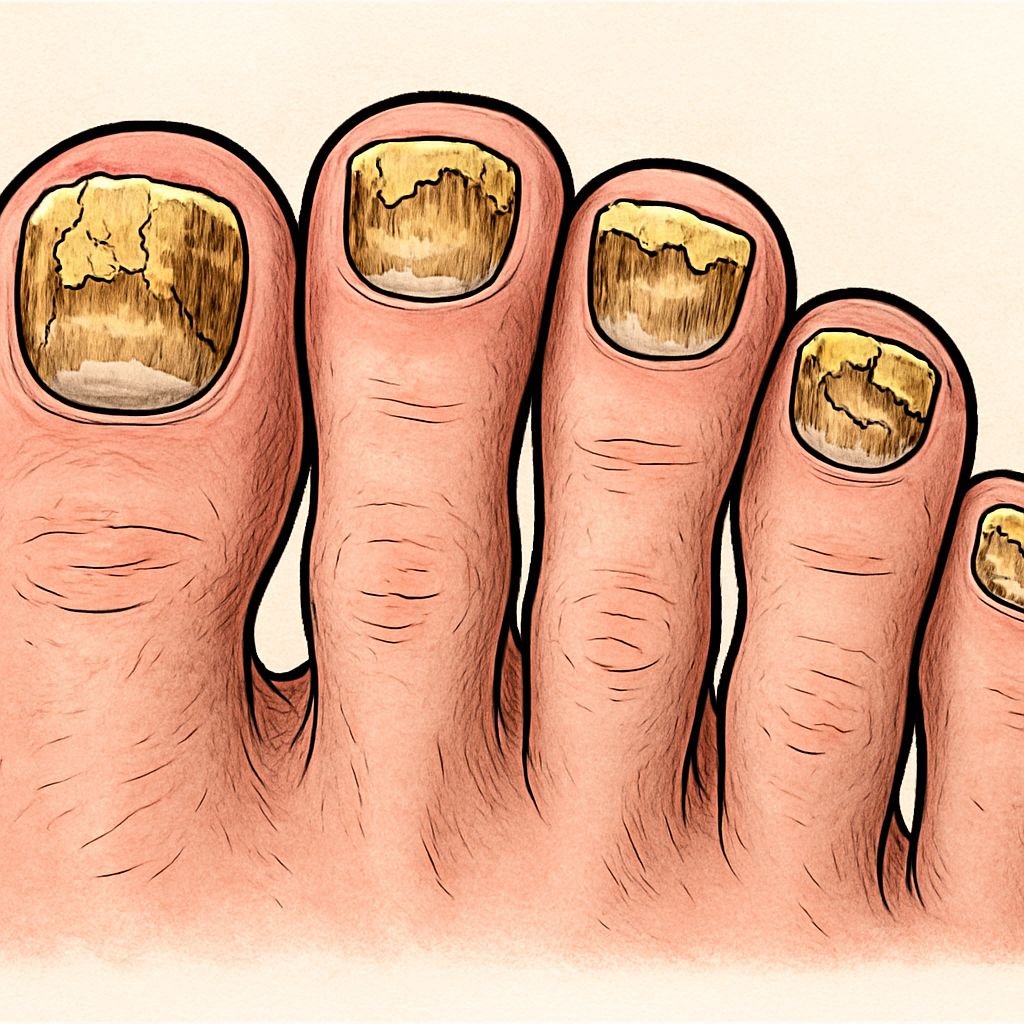
Laser treatment for toenail fungus has grown significantly in availability across Australia over the past decade. Podiatry clinics in major cities like Brisbane, Perth, Sydney, and Melbourne now offer dedicated fungal nail laser services, with some clinics operating as part of nationwide networks like MyFootDr Podiatry Centres. The treatment is non-surgical, requires no anaesthesia, and is performed entirely in a clinical outpatient setting — meaning you walk in and walk out on the same day.
How Laser Treatment Works on Toenail Fungus
The laser emits a specific wavelength of light that passes harmlessly through the nail and targets the fungal organisms living beneath it. The heat generated — or in the case of cold laser, the photochemical energy — disrupts and destroys the fungal cells without damaging the surrounding tissue. This precision is what makes laser therapy stand apart from broad-spectrum oral antifungals, which affect the entire body just to reach one infection site.
Why Laser Treatment Outperforms Traditional Remedies
Topical antifungal creams struggle to penetrate the nail plate deeply enough to reach the infection. Oral antifungal medications like terbinafine can be effective but carry risks including liver toxicity, drug interactions, and a treatment course that can last three to six months. Laser treatment sidesteps both of these problems. It’s localised, targeted, and doesn’t require systemic medication. While no treatment is a guaranteed cure, laser therapy has demonstrated up to 63% effectiveness — a figure that significantly outpaces most over-the-counter alternatives.
Toenail Fungus is More Common in Australia Than You Think
- Toenail fungus affects approximately 10% of the general Australian population
- Prevalence rises sharply with age, reaching up to 50% in Australians over 60
- The warm, humid Australian climate creates ideal conditions for fungal growth
- Public spaces like pools, gyms, and communal showers are common transmission points
- People with diabetes, circulatory issues, or weakened immune systems face significantly higher risk
Australia’s climate plays a direct role in how common this infection is. Warm temperatures and high humidity — particularly in Queensland and the Northern Territory — create the exact environment that fungal organisms thrive in. Add in the Australian love for outdoor activities, shared sports facilities, and thong-wearing culture, and it’s easy to see why podiatrists across the country see fungal nail cases daily.
Why Toenail Fungus is Hard to Eliminate Without Professional Treatment
Fungal nail infections are notoriously stubborn because the fungus doesn’t just sit on the surface — it embeds itself into the keratin of the nail plate and nail bed. By the time the infection is visible (yellowing, thickening, brittleness), it’s already well-established. Over-the-counter treatments simply can’t penetrate deeply enough consistently enough to clear it. Without professional-grade intervention, many Australians spend months — sometimes years — managing the infection rather than eliminating it.
Laser Treatment Cost in Australia
Cost is one of the first questions people ask, and understandably so. Laser toenail fungus treatment in Australia is not cheap, but the pricing reflects the technology used, the clinical expertise required, and the number of sessions involved. Costs vary between clinics and states, but there are general pricing tiers that give a realistic picture of what to expect.
It’s also important to understand that pricing is typically structured around how many nails are affected and the severity of the infection. A person with one mildly affected nail will pay considerably less than someone with a full-foot fungal infection across multiple nails. Clinics generally offer tiered pricing to accommodate this range.
Comprehensive Nail Treatment: Starting From $510
A comprehensive fungal nail laser treatment — covering all affected nails across both feet — typically starts from around $510 in Australian clinics. This package is designed for patients with widespread infection and usually includes an initial consultation, nail preparation, and the first laser session. Follow-up sessions are either included in bundled packages or charged separately depending on the clinic’s pricing model.
For severe or long-standing infections, this is the most common treatment pathway. Your podiatrist will assess the full extent of the infection and recommend a treatment plan that usually spans 3 to 6 sessions over several months. For more information, you can explore the solutions and remedies that work for stubborn toenail fungus.
| Treatment Type | Approximate Starting Cost (AUD) | Typical Session Count |
|---|---|---|
| Comprehensive (both feet, all nails) | From $510 | 3–6 sessions |
| Single foot treatment | From $280 | 3–6 sessions |
| Targeted 1–2 nail treatment | From $200 | 3–4 sessions |
These figures represent general starting points across Australian podiatry clinics. Prices may differ based on clinic location, laser technology used, and the podiatrist’s assessment of infection severity. For more information on toenail fungus treatment options, check out this detailed guide.
Single Foot Treatment: Starting From $280
If the fungal infection is isolated to one foot, many clinics offer a single-foot treatment starting from approximately $280. This is a practical option for patients whose infection hasn’t spread to the other foot — and acting early at this stage can prevent that from happening.
Targeted One to Two Nail Treatment: Starting From $200
Caught it early? A targeted one-to-two nail laser treatment starting from $200 is one of the most cost-effective entry points for laser therapy in Australia — and treating it at this stage dramatically improves your outcome.
For patients with mild or early-stage infection limited to just one or two nails, targeted laser treatment is the most affordable option. Starting from around $200, this approach focuses the laser exclusively on the affected nails without treating the entire foot. Early-stage infections tend to respond faster and may require fewer sessions overall, making this tier both clinically and financially advantageous.
The key is not to delay. A one-nail infection left untreated can easily spread across the foot within months, escalating treatment needs — and costs — considerably.
Additional Nail Removal Add-On Costs
In cases where the nail is severely damaged or thickened, your podiatrist may recommend partial or full nail removal as an add-on to laser therapy. This allows the laser to reach the nail bed more effectively and can accelerate the healing process. Add-on costs for nail removal procedures vary by clinic but are typically charged separately from the core laser treatment package.
Does Medicare or Private Health Insurance Cover Laser Treatment?
Medicare does not currently cover laser treatment for toenail fungus in Australia, as it is classified as an elective podiatric procedure rather than a medically necessary intervention. However, some private health insurance policies with extras cover may provide a partial rebate on podiatry services — the amount depends entirely on your specific policy and fund. It’s worth calling your insurer directly before booking to check what, if any, podiatry extras apply to laser nail treatments.
Types of Laser Technology Used in Australia
Not all laser treatments for toenail fungus are the same. Australian clinics use several different laser systems, each with its own mechanism of action, session length, and suitability profile. Understanding which technology your clinic uses — and why — helps you make a more informed decision about your treatment. For more information, check out this guide to toenail fungus treatments.
PinPointe FootLaser
The PinPointe FootLaser is one of the most widely recognised laser systems used in Australian podiatry clinics, including Walk Without Pain in Brisbane and MyFootDr Podiatry Centres nationally. It uses a Nd:YAG laser that delivers precise pulses of heat energy through the nail plate to kill the fungal organisms underneath. The wavelength is specifically calibrated to target fungal tissue while leaving the surrounding skin and nail structure unharmed. Sessions typically take between 30 and 45 minutes depending on how many nails are being treated, and most patients require between 3 and 6 treatment sessions for optimal results.
Lunula Laser
The Lunula laser takes a completely different approach — it’s a cold laser, meaning it generates no heat whatsoever. Instead, it uses two simultaneous wavelengths of low-level laser light (635nm and 405nm) to disrupt the fungal cell membrane and stimulate the body’s own immune response against the infection. Because there is no heat involved, Lunula treatments are entirely painless from start to finish, making it an excellent option for patients with sensitive nails or low pain tolerance.
- Uses 635nm wavelength to weaken and kill the fungal cells
- Uses 405nm wavelength to stimulate healthy nail growth and immune response
- Completely painless — no heat, no discomfort during or after treatment
- Available at Doubleview Podiatry in Perth and select clinics nationally
- Particularly suited to patients who are elderly, diabetic, or have circulatory concerns
Lunula laser sessions are typically shorter than hot laser sessions and are run on a consistent weekly or fortnightly schedule. The cold laser approach won’t suit every case — severely thickened or heavily infected nails may respond better to a thermal laser — but for mild to moderate infections, it delivers strong clinical results without any discomfort.
Doubleview Podiatry in Perth is one of the prominent clinics offering Lunula laser treatment in Western Australia, with a team experienced in diagnosing the specific type of fungal infection before recommending the most appropriate laser system for each patient.
Fox Laser
The Fox laser is another hot laser system used in Australian clinics, most notably at Walk Without Pain in Brisbane alongside the PinPointe system. It operates on a similar principle to the PinPointe — using targeted heat energy to destroy fungal cells — but differs in its delivery mechanism and beam configuration. Some podiatrists prefer the Fox laser for specific nail presentations, particularly where the infection pattern or nail thickness makes one system more accessible than the other. Your podiatrist will assess your nails and recommend which system is best suited to your individual case.
What to Expect During Your Treatment
Walking into your first laser toenail treatment appointment is far less daunting than it sounds. The process is structured, straightforward, and performed entirely by a qualified podiatrist. Here’s exactly what happens from the moment you arrive to the moment you leave.
Step 1: Consultation and Diagnosis
Before any laser is used, your podiatrist will conduct a thorough assessment of your nails. This involves examining the appearance, thickness, and spread of the infection — and in some cases, taking a nail clipping sample for laboratory analysis to confirm the specific type of fungal organism involved. Identifying the fungus type matters because it determines the most effective treatment approach. Not every discoloured nail is caused by fungus; conditions like nail psoriasis or nail trauma can look very similar, and a correct diagnosis ensures you’re not treating the wrong problem.
Step 2: Nail Preparation
Once the diagnosis is confirmed, your podiatrist will prepare the affected nails before the laser session begins. This typically involves filing down thickened nails to reduce their depth, clipping away any debris, and cleaning the nail surface. Reducing nail thickness at this stage is not just cosmetic — it directly improves how effectively the laser energy can penetrate through to the fungal cells living in the nail bed below. Some patients with severely damaged nails may also have a partial nail removal performed at this stage as an add-on procedure.
Step 3: The Laser Session
With the nails prepared, the laser handpiece is applied directly over each affected nail in a systematic pattern. For hot laser systems like the PinPointe FootLaser and Fox laser, you may feel a mild warming sensation or brief flashes of heat — most patients describe it as tolerable and comparable to a rubber band snap. The podiatrist moves the laser across the nail in overlapping passes to ensure complete coverage of the nail plate and nail bed.
Cold laser treatments using the Lunula system involve placing the nail inside a rotating laser module that delivers both wavelengths simultaneously for a set treatment time — typically around 12 minutes per foot. There is genuinely no sensation of heat or pain during a Lunula session.
A full laser session treating multiple affected nails across both feet typically takes between 30 and 45 minutes in total. Single or targeted nail treatments are considerably shorter. You can walk normally immediately after the session — there is no recovery time, no bandaging, and no restrictions on your activity level following treatment.
Step 4: Follow-Up Appointments
Follow-up appointments are scheduled based on your treatment plan, the severity of your infection, and how your nails are responding. Sessions are typically spaced several weeks apart — commonly every 4 to 6 weeks — to allow the nail to grow and the body’s natural healing response to progress between treatments. At each follow-up, your podiatrist will assess the nail’s condition, document changes, and determine whether any adjustments to the treatment plan are needed.
It’s important to understand that results from laser treatment are not instant. Because toenails grow slowly — at approximately 1.5mm per month — you’ll need to watch for healthy nail growth emerging from the base of the nail rather than expecting the existing infected nail to suddenly look clear. Full visible results can take anywhere from 6 to 12 months as the healthy nail gradually replaces the previously infected portion.
How Many Sessions Will You Need?
The number of laser sessions required depends on four key factors: the number of nails affected, the severity of the infection, your age, and your general health status. As a general guide, most Australian patients require between 3 and 6 treatment sessions to achieve the best outcome. Mild or early-stage infections in younger, healthier patients may clear with closer to 3 sessions, while older patients or those with diabetes, circulatory issues, or heavily infected nails across multiple toes may need the full 6 sessions — or occasionally more. Your podiatrist will give you a personalised recommendation after your initial consultation and diagnosis.
How to Stop Toenail Fungus From Coming Back
Laser treatment is highly effective at eliminating an existing fungal nail infection — but it cannot prevent you from picking up a new one. Reinfection is a real risk, and it’s one of the most common reasons patients end up back in the clinic months after a successful treatment course. The good news is that with the right habits in place, reinfection is largely preventable.
Fungal organisms live in warm, moist environments and spread through direct contact. Everything from the floor of a public pool change room to the inside of an old pair of shoes can harbour fungal spores. Once your treatment is complete, the single most important thing you can do is eliminate the environments and behaviours that allowed the infection to take hold in the first place.
Hygiene Habits That Prevent Reinfection
Daily hygiene is your first line of defence against toenail fungus returning. Wash and thoroughly dry your feet every day, paying particular attention to the spaces between your toes — moisture trapped there is one of the most common contributing factors to fungal growth. Keep your toenails trimmed short and straight across, and avoid sharing nail clippers, files, or footwear with others. When visiting public pools, gyms, or communal showers, always wear thongs or water shoes — never walk barefoot on shared wet surfaces.
Footwear and Environment Considerations
Your footwear environment matters more than most people realise when it comes to preventing toenail fungus from returning. The inside of a shoe — warm, dark, and often damp from sweat — is essentially a perfect incubator for fungal spores. If your shoes harbour spores from your previous infection, wearing them after treatment can trigger reinfection almost immediately.
- Replace old footwear that was worn during your infection period, particularly enclosed shoes and sneakers
- Choose breathable materials like leather or mesh uppers that allow airflow and reduce moisture buildup
- Use antifungal shoe sprays or powders inside your footwear regularly, especially after exercise
- Rotate your shoes daily to allow them to dry out completely between wears
- Wear moisture-wicking socks — avoid cotton socks that hold moisture against the skin
- Always wear thongs or waterproof sandals in public pools, gym change rooms, and communal showers
It’s also worth treating your home environment. Bath mats, shower floors, and even the carpet around your bed can carry fungal spores. Regularly disinfecting your shower and bathroom floor with an antifungal cleaner, and washing bath mats frequently in hot water, significantly reduces the reservoir of spores in your immediate environment. For more tips on maintaining a fungus-free home, check out our family nail fungus prevention tips.
If you live with others or share bathroom facilities, be especially vigilant. Toenail fungus spreads easily between household members through shared surfaces. Keeping your own towels, nail tools, and shower area clean and separate isn’t excessive — it’s just practical prevention that protects both your treatment outcome and everyone else in your home. For more tips on prevention, check out this complete guide to preventing toenail fungus recurrence.
Finding Laser Treatment Clinics Across Australia
Laser toenail fungus treatment is now available in most major Australian cities, with dedicated podiatry clinics operating across Queensland, Western Australia, New South Wales, Victoria, and beyond. The three most prominent providers worth knowing about are Walk Without Pain in Brisbane, Doubleview Podiatry in Perth, and MyFootDr Podiatry Centres operating nationally. Each offers slightly different laser technologies and service models, so it’s worth understanding what each clinic brings to the table before booking.
Brisbane: Walk Without Pain Podiatry Clinics
Walk Without Pain is one of Brisbane’s most established podiatry providers for fungal nail laser treatment. The clinic uses both the PinPointe FootLaser and the Fox laser system, giving their podiatrists the flexibility to match the most appropriate technology to each patient’s specific nail presentation. Their approach is comprehensive — from initial diagnosis through to follow-up care — and they publish clear pricing information to help patients understand costs before committing to treatment.
For Brisbane residents dealing with persistent toenail fungus that hasn’t responded to other treatments, Walk Without Pain represents a strong starting point. Their team is experienced in assessing fungal nail infections of all severities, and their use of two different laser systems means treatment can be tailored rather than one-size-fits-all. Appointments can be booked directly through their clinic, and initial consultations are used to confirm diagnosis and map out a personalised treatment plan before any laser sessions begin.
Perth: Doubleview Podiatry
Doubleview Podiatry in Perth is one of Western Australia’s leading clinics for fungal nail laser treatment, with a particular focus on the Lunula cold laser system. Their podiatrists are experienced in diagnosing the specific type of fungal organism involved — an important step that not all clinics take — and use this information to guide the most appropriate treatment pathway for each patient.
The cold laser approach offered at Doubleview makes the clinic particularly well-suited to patients who may be concerned about pain or discomfort, including elderly patients and those with diabetes or circulatory conditions where heat-based laser treatment may be less appropriate. The Lunula system’s dual-wavelength design simultaneously targets fungal cells and supports healthy nail regrowth, which aligns well with a longer-term treatment philosophy.
Doubleview Podiatry also educates patients thoroughly on the different types of fungal nail infections and what distinguishes laser treatment from other options. For Perth residents who want a clinic that takes a diagnostic-first approach rather than jumping straight to treatment, Doubleview Podiatry is a solid choice.
Nationwide: MyFootDr Podiatry Centres
MyFootDr is Australia’s largest podiatry network, with clinics operating across Queensland, New South Wales, Victoria, South Australia, and beyond. They offer fungal nail laser treatment using the PinPointe FootLaser at multiple locations, making professional laser therapy accessible to Australians in regional areas and smaller cities who might not have access to a specialist standalone clinic. For patients who prefer the consistency of a national provider with standardised clinical protocols, MyFootDr is a convenient and reliable option worth exploring.
Laser Treatment is Worth It for Persistent Toenail Fungus
If you’ve been battling toenail fungus for months — or years — without meaningful results from creams or tablets, laser treatment represents a genuinely different category of intervention. It’s targeted, clinically supported, and performed by qualified podiatrists who can assess the full picture of your infection before recommending a course of action. The up to 63% effectiveness rate isn’t perfect, but it’s significantly higher than what most over-the-counter approaches deliver, particularly for established infections.
The cost is a real consideration — there’s no point pretending otherwise. But when weighed against months of ongoing topical treatment, the potential side effects of long-term oral antifungals, and the psychological toll of living with visibly damaged nails, the investment in laser therapy starts to look much more reasonable. Most Australians find that a structured 3 to 6 session treatment plan delivers visible improvement that they simply couldn’t achieve any other way.
The most important step is getting a proper diagnosis first. Not every discoloured or thickened nail is caused by fungus, and treating the wrong condition wastes time and money. A qualified podiatrist can confirm the diagnosis, identify which fungal organism is involved, and recommend the laser system and session plan most likely to deliver results for your specific case. Start there, commit to the full treatment course, and back it up with consistent prevention habits — that’s the complete picture for genuinely clearing toenail fungus for good.
Frequently Asked Questions
Here are the most common questions Australians ask about laser toenail fungus treatment, with direct answers based on how the treatment is actually delivered in Australian podiatry clinics.
How Long Does a Single Laser Treatment Session Take?
A single laser treatment session typically takes between 30 and 45 minutes when multiple nails across both feet are being treated. Targeted treatments covering only one or two nails are considerably shorter — often 15 to 20 minutes. Cold laser sessions using the Lunula system run for approximately 12 minutes per foot. Your podiatrist will give you an accurate time estimate based on the number of nails involved and the laser system being used at your specific clinic.
Is Laser Treatment for Toenail Fungus Painful?
Pain levels depend on which laser system is used. Cold laser treatments — specifically the Lunula laser — are completely painless. There is no heat generated, and patients feel nothing during the session. Hot laser treatments using the PinPointe FootLaser or Fox laser involve targeted pulses of heat energy, which most patients describe as a mild warming sensation or brief flashes of heat. The discomfort is generally considered tolerable and does not require anaesthesia or numbing agents. For those dealing with persistent issues, exploring solutions for stubborn toenail fungus might provide additional insights.
Patients with pre-existing conditions that affect nerve sensitivity — such as diabetic peripheral neuropathy — may actually feel less sensation during hot laser treatments rather than more. If pain tolerance is a significant concern for you, discuss the cold laser option with your podiatrist before committing to a treatment type. Either way, there is no recovery pain after the session, and no downtime is required following treatment.
How Soon Will I See Results After Laser Treatment?
This is the question most patients are most eager to have answered — and the honest answer requires some patience. Because toenails grow slowly at approximately 1.5mm per month, visible results from laser treatment emerge gradually over time rather than appearing suddenly. You won’t see the existing infected nail clear up — instead, you’ll notice new, healthy nail growth emerging from the base of the nail as the months progress.
A full toenail takes approximately 12 to 18 months to grow out completely, which means full visible results from a successful treatment course can take up to a year or more to be fully apparent. Most patients start noticing encouraging signs of healthy new growth within 3 to 6 months of beginning their treatment course. Progress photos taken at each follow-up appointment are a helpful way to track improvement that can be easy to miss when you’re looking at your nails every day.
Can Toenail Fungus Return After Laser Treatment?
Yes — laser treatment eliminates your existing infection, but it does not make you immune to future infections. Reinfection is a genuine risk, particularly if the environmental and hygiene factors that contributed to the original infection aren’t addressed. The fungal organisms that cause toenail infections are ubiquitous in shared public environments, and anyone can pick up a new infection at any point.
The most effective ways to prevent reinfection after completing laser treatment include:
- Replacing footwear worn during the infection period, particularly enclosed shoes and sneakers
- Using antifungal shoe sprays or powders regularly inside your footwear
- Always wearing thongs or waterproof sandals in public pool and gym change room areas
- Keeping toenails trimmed short and dry at all times
- Wearing moisture-wicking socks and breathable footwear daily
- Disinfecting your shower and bathroom floor regularly with an antifungal cleaning product
Some patients — particularly those with diabetes, compromised immune systems, or a history of recurring infections — may benefit from a maintenance laser session every 6 to 12 months as a preventive measure. This is worth discussing with your podiatrist at the conclusion of your treatment course.
The bottom line is that laser treatment is a highly effective tool for clearing an existing fungal nail infection, but long-term success depends on pairing that treatment with consistent prevention habits. Think of it as a two-part strategy: eliminate the infection with laser, then protect your nails from reinfection through smarter daily habits.
Is Laser Treatment for Toenail Fungus Covered by Medicare in Australia?
Medicare does not cover laser treatment for toenail fungus in Australia. The procedure is classified as an elective podiatric treatment rather than a medically essential intervention under the current Medicare Benefits Schedule, which means the full cost falls to the patient directly. For those considering treatment options, understanding the symptoms and early signs of toenail fungus can be crucial in making informed decisions.
Private health insurance with podiatry extras may offer a partial rebate on laser nail treatment, but coverage varies significantly between funds and policy levels. Some funds will rebate a portion of the podiatry consultation fee but not the laser component itself, while others may cover a set dollar amount per podiatry visit regardless of what treatment is performed. Calling your insurer directly before your first appointment is the most reliable way to understand exactly what you’ll be reimbursed.
It’s also worth noting that patients who hold a Chronic Disease Management (CDM) plan through their GP — formerly known as an Enhanced Primary Care plan — may be eligible for a Medicare rebate on a limited number of podiatry consultations per calendar year if their fungal nail infection is linked to a chronic condition such as diabetes. However, the rebate applies to the consultation itself, not the laser treatment component.
If cost is a significant barrier, speak directly with your chosen podiatry clinic about payment options. Many Australian clinics offer payment plans or instalment arrangements that allow you to spread the cost of your treatment course over time rather than paying the full amount upfront. For more information on long-term solutions, check out this guide to toenail fungus treatment.
Ultimately, while the out-of-pocket cost of laser toenail fungus treatment in Australia is real, so is the cost of doing nothing — in terms of the infection spreading, worsening, and becoming progressively harder to treat over time. Getting an accurate quote from your clinic and checking your private health extras coverage before booking gives you a complete picture of what the investment actually looks like for your specific situation.
