 Nail Fungus Cures Instant Cures for Painful Nails and Fungus

Related Articles



Article At A Glance
- Nail fungus (onychomycosis) can spread from toenails to fingernails through direct contact, shared tools, and poor hygiene habits.
- Early warning signs like white or yellow spots under the nail tip are easy to miss — but catching them early makes treatment far more effective.
- Ignoring toenail fungus doesn’t just risk your fingernails — it can spread to your skin, cause athlete’s foot, and infect others in your household.
- Natural prevention strategies like keeping nails dry, using breathable footwear, and disinfecting surfaces can significantly reduce your risk.
- Treatment takes time — even with the right approach, nail fungus can be stubborn, and repeat infections are common without consistent care.
Toenail Fungus Can Reach Your Fingernails Faster Than You Think
Most people assume toenail fungus stays put — but it doesn’t.
Onychomycosis, the medical term for nail fungus, is caused primarily by dermatophytes — fungi that thrive in warm, moist environments. What starts as a white or yellow spot under the tip of your toenail can quietly travel to your fingernails, skin, and even other people in your household if left unchecked. Understanding how this happens — and how to stop it — is the first step toward protecting your nails and your health naturally.
For those looking to tackle this from a natural health perspective, there are real, evidence-supported strategies worth knowing. Many natural health resources, including guidance from practitioners focused on holistic care, emphasize that consistent daily habits are often more powerful than a single treatment.
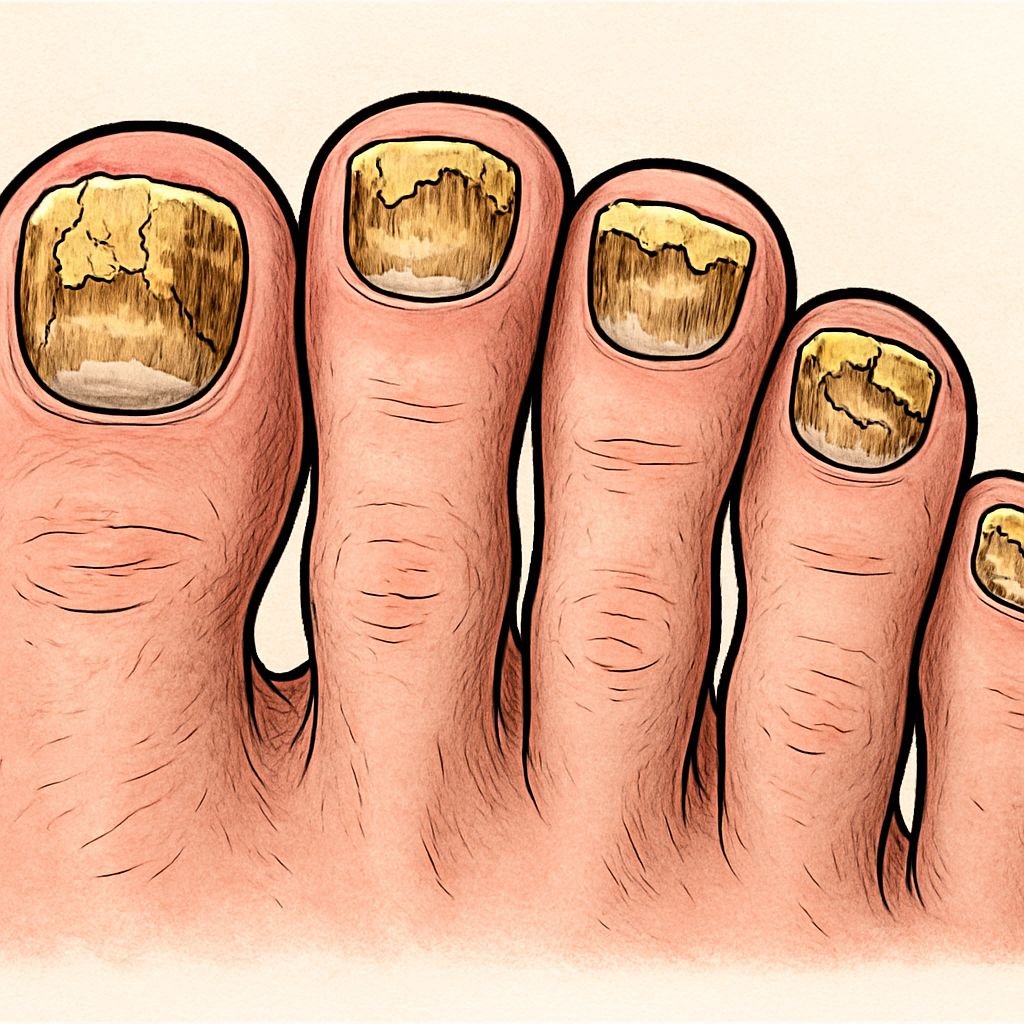
Why Toenail Fungus Spreads to Fingernails
Toenail fungus spreads because fungi are opportunistic — they move to any warm, moist surface they can colonize. Your fingernails are especially vulnerable if you touch your feet, use shared nail tools, or walk barefoot in shared spaces and then touch your hands to your face or nails. The transition from toenail to fingernail is often unintentional and unnoticed until the infection is already established.
How Fungi Travel From Feet to Hands
The most direct route is physical contact. Scratching or touching an infected toenail and then touching your fingernails can transfer the fungus in seconds. Dermatophytes can also survive on surfaces like towels, bath mats, nail clippers, and shower floors — making indirect transmission just as likely as direct contact. Shared nail tools are one of the most overlooked transmission routes in household settings.
The Role of Nail Injuries in Fungal Spread
A small crack or cut near the nail bed is essentially an open door for fungal entry. Trauma to the nail — from something as minor as stubbing your toe or cutting your nails too short — creates tiny separations between the nail and the nail bed. Fungi exploit these gaps immediately. This is why nail hygiene isn’t just about cleanliness — it’s about keeping the physical barrier of the nail intact.
Medical Conditions That Increase Your Risk
Certain health conditions create environments where fungal infections are more likely to take hold and spread. People with diabetes, for example, have reduced circulation and immune response in the extremities, making it harder for the body to fight off fungal invaders naturally. Other risk factors include:
- A history of athlete’s foot, which shares the same dermatophyte responsible for nail fungus
- Hyperhidrosis (excessive sweating), which keeps nails and skin consistently moist
- Psoriasis, which weakens the nail structure and makes it more susceptible to infection
- Immunocompromised conditions such as HIV or autoimmune disorders
- Poor peripheral circulation, common in older adults
Age is also a significant factor. As we get older, nails grow more slowly, become thicker and more brittle, and develop small cracks that make fungal entry easier. This is why nail fungus is significantly more common in adults over 60.
Warning Signs the Fungus Has Reached Your Fingernails
By the time most people notice something is wrong with their fingernails, the infection has already been developing for weeks or even months. Nail fungus is not painful in its early stages, which is exactly what makes it so easy to ignore.
Discoloration and Texture Changes to Watch For
The earliest visible sign is usually a white or yellow spot appearing beneath the tip of the nail. As the infection deepens, the nail may turn yellow, brown, or even greenish. The texture changes too — nails become thickened, brittle, and may begin to crumble at the edges. In more advanced cases, the nail can take on a distorted shape and emit an unpleasant odor caused by debris building up under the nail plate.
When Symptoms Signal a Serious Infection
Mild discoloration is concerning, but certain symptoms warrant faster action. If you notice the nail separating from the nail bed — a condition called onycholysis — the infection has progressed significantly. Pain, swelling, or redness around the nail fold can signal a secondary bacterial infection developing alongside the fungal one. At this stage, natural remedies alone may not be sufficient, and professional evaluation becomes important.
Don’t wait for pain to take action. Nail fungus rarely hurts until it’s well advanced, and by then, treatment timelines stretch considerably longer — sometimes up to 12 months for full nail regrowth after successful treatment.
What Happens If You Ignore the Spread
Leaving nail fungus untreated isn’t just a cosmetic decision — it’s a health risk with real consequences that go beyond your nails.
Skin Infections Like Athlete’s Foot
When toenail fungus goes untreated, the infection rarely stays confined to the nail. The same dermatophytes responsible for nail fungus are the exact organisms that cause athlete’s foot — a fungal skin infection that develops between the toes and on the soles of the feet. The two conditions feed each other in a cycle that’s frustratingly difficult to break once established.
- Itching, burning, and stinging between the toes or on the soles
- Peeling, cracking, or blistering skin around the foot
- Dry, scaly patches on the bottom or sides of the foot
- Redness and inflammation spreading beyond the nail area
What makes this especially problematic is that athlete’s foot can then reinfect the nail bed, creating a loop where treating one without the other leads to constant relapse. If you’re dealing with nail fungus, check your feet regularly for these skin symptoms too.
Scratching athlete’s foot and then touching other areas of your body — or other people — is one of the most common ways fungal infections spread beyond the feet entirely. Keeping both conditions in mind during treatment is essential for actually clearing the infection long-term.
Pain, Nail Damage, and Long-Term Consequences
Over time, untreated fungal infections cause structural damage to the nail that can become permanent. The nail thickens, curves, and may fully detach from the nail bed. In severe cases, the nail bed itself suffers irreversible damage — meaning even after the fungus is eliminated, the nail may never grow back with its original shape, color, or strength.
Thickened toenails can also press painfully against shoes, making walking uncomfortable. For people with diabetes or circulatory issues, this level of nail damage can escalate into serious foot health complications that extend well beyond cosmetics.
How It Spreads to Other People in Your Home
- Shared towels or bath mats that harbor fungal spores
- Walking barefoot on bathroom floors or in shared showers
- Using the same nail clippers, files, or scissors without sanitizing them
- Sharing shoes or socks with an infected person
Toenail fungus is contagious, and household transmission is more common than most people realize. Fungal spores can survive on surfaces for extended periods, meaning someone in your home doesn’t need direct contact with your nails to pick up the infection.
Children and elderly family members are particularly vulnerable due to thinner skin barriers and less robust immune responses. If you’re actively dealing with a nail fungal infection, taking protective steps isn’t just about your own health — it directly protects the people around you.
Simple habits like drying communal bathroom floors, using separate towels, and disinfecting shared surfaces go a long way. These aren’t inconveniences — they’re the practical difference between containing an infection and watching it spread through your entire household.
How to Stop Toenail Fungus From Reaching Your Fingernails
Prevention is always more effective than treatment when it comes to nail fungus. The good news is that the daily habits required to prevent spread are straightforward, low-cost, and genuinely effective when practiced consistently.
The core principle is simple: deny the fungus the conditions it needs to survive and spread. Fungi thrive in warmth and moisture. Remove those two elements from the equation as often as possible, and you dramatically reduce your risk of spreading the infection from your toenails to your fingernails — or anywhere else.
The following five strategies are the most impactful changes you can make starting today. They work because they address the actual transmission pathways fungi use — not just the symptoms.
1. Keep Your Feet and Hands Dry and Clean
After showering or bathing, dry thoroughly between your toes and under your nails before putting on socks or shoes. Moisture trapped in these areas is the single most favorable condition for fungal growth. Use a clean, dry towel dedicated to your feet — separate from the one you use on your hands and body — and consider using a light dusting of antifungal powder if you sweat heavily throughout the day.
2. Never Share Nail Clippers or Towels
Nail clippers and files that have touched an infected nail carry live fungal spores. Sharing these tools — even within your own household — is one of the fastest ways to spread a nail infection from your feet to your hands, or from one person to another. Dedicate a separate set of nail tools to your infected nails, clean them with rubbing alcohol after every use, and store them apart from your regular nail care items.
3. Wear Protective Footwear in Public Spaces
Gym showers, public pools, locker rooms, and even hotel bathroom floors are hotspots for fungal contamination. Wearing flip-flops or waterproof sandals in these environments is one of the simplest and most effective preventive measures available. The few seconds it takes to slip on a pair of shower shoes could save you months of treatment.
4. Disinfect Bathroom Surfaces Regularly
Your bathroom floor, shower basin, and bath mat are the most likely surfaces to harbor fungal spores in your home. Clean these areas regularly with a disinfectant that specifically targets fungi — standard household cleaners often aren’t enough on their own. A diluted bleach solution or a tea tree oil-based cleaner applied to shower floors weekly can significantly reduce the fungal load in your bathroom environment.
Wash bath mats frequently in hot water — at least once a week if someone in the household has an active infection. Fungal spores can survive through cold and warm wash cycles, so hot water is key to actually eliminating them from fabric surfaces.
5. Choose Breathable Socks and Shoes
- Opt for moisture-wicking socks made from wool or synthetic performance fabrics rather than cotton, which holds moisture against the skin
- Rotate your shoes daily to allow them to dry out completely between wears
- Choose shoes made from breathable materials like leather or mesh rather than synthetic materials that trap heat and sweat
- Sprinkle antifungal powder inside shoes if you tend to sweat heavily during the day
The environment inside your shoe matters enormously. A warm, dark, damp shoe worn all day is essentially an incubator for the exact type of fungus responsible for nail infections. Making smarter footwear choices disrupts this environment and gives your nails a fighting chance.
It’s also worth inspecting older shoes for signs of fungal contamination. If you’ve been dealing with a persistent toenail infection and haven’t replaced heavily worn shoes, you may be reinfecting yourself every time you put them on. For more information on managing chronic infections, consider exploring long-term solutions for chronic infections.
If replacing shoes isn’t immediately practical, UV shoe sanitizers like the SteriShoe Essential UV Shoe Sanitizer are designed specifically to eliminate fungal spores and bacteria from inside shoes — and they’re a worthwhile investment for anyone dealing with recurring infections.
Treatment Options That Actually Work
Treating nail fungus requires patience above all else. Even the most effective treatments work slowly because they depend on new, healthy nail growth to replace the infected nail — and nails grow at roughly 1 to 3 millimeters per month. Toenails grow slower than fingernails, which is part of why toenail fungus is so notoriously stubborn to eliminate.
Prescription Antifungal Medications
Prescription oral antifungals like terbinafine (Lamisil) and itraconazole (Sporanox) are considered the most clinically effective treatments for established nail fungal infections. Terbinafine is typically prescribed for 6 weeks for fingernail infections and 12 weeks for toenail infections, while the nail itself continues growing out over the following months. These medications work systemically, reaching the nail bed through the bloodstream — something topical treatments often can’t do effectively on their own.
Prescription-strength topical treatments like efinaconazole (Jublia) and tavaborole (Kerydin) are applied directly to the nail and surrounding skin daily. These are a viable option for people who can’t tolerate oral medications, though they tend to work best on mild to moderate infections where the nail matrix hasn’t been deeply compromised.
When to See a Doctor vs. Try Home Remedies
For mild infections — early discoloration, slight thickening, no nail separation — natural and over-the-counter approaches like tea tree oil, Vicks VapoRub, or diluted oregano oil can be worth trying consistently for several months. However, if the nail is significantly thickened, crumbling, separating from the nail bed, or if you have diabetes or a compromised immune system, seeing a doctor first is the safer and more efficient path. Home remedies work best as complementary strategies alongside — not instead of — appropriate treatment.
How Long Treatment Realistically Takes
Fingernail fungus typically clears in 6 to 9 months with consistent treatment. Toenail fungus, because toenails grow more slowly, can take 12 to 18 months before the nail fully grows out healthy and clear. This timeline frustrates many people into stopping treatment too early — which almost always leads to relapse. Commit to the full treatment period, even when the nail starts looking better, because the fungus can persist in the nail bed long after visible symptoms improve.
Nail Fungus Will Not Clear Up on Its Own
This is the single most important thing to understand about nail fungus: it does not resolve without treatment. Unlike a minor skin irritation that heals with time, dermatophytes actively feed on keratin — the protein that makes up your nails — and they will continue doing so indefinitely if given the opportunity.
Waiting and hoping is the most common mistake people make, and it consistently results in a more entrenched infection that takes longer and requires more aggressive treatment to resolve. Every week without treatment is a week the fungus has to spread deeper into the nail bed, migrate to adjacent nails, or jump to the skin.
The earlier you act, the shorter your treatment timeline and the better your chances of restoring your nail to its original health. A nail that has been infected for years may never fully recover its pre-infection appearance — but a nail caught in its first few months of infection has an excellent prognosis with consistent, appropriate care. For those dealing with multiple nail infections, treatment approaches may vary to ensure success.
Frequently Asked Questions
Below are the most common questions people have about nail fungus spreading, treatment options, and protecting the people around them.
Can toenail fungus really spread to fingernails?
Yes — toenail fungus can and does spread to fingernails. The most common route is direct hand-to-foot contact, such as touching or scratching an infected toenail and then touching your fingernails. Shared nail tools, towels, and bathroom surfaces are also common transmission pathways. The same dermatophyte fungi responsible for toenail infections are perfectly capable of colonizing fingernails given the right conditions.
How do I know if my fingernail has a fungal infection?
The earliest signs are a white or yellow spot appearing under the tip of the nail, followed by gradual discoloration spreading across the nail plate. As the infection progresses, the nail becomes thickened, brittle, and may crumble at the edges. A distorted nail shape, separation from the nail bed, and an unpleasant odor from debris trapped under the nail are all signs of a more advanced infection that needs prompt attention.
What is the fastest way to treat nail fungus?
Prescription oral antifungals like terbinafine are the fastest-acting treatment option currently available, with clinical studies showing complete cure rates significantly higher than topical treatments alone. For those seeking a more natural approach, combining consistent application of tea tree oil with rigorous hygiene practices — keeping nails dry, trimmed short, and the environment as unfavorable to fungus as possible — offers the best natural treatment outcomes, though the timeline is longer. For more information on fast toenail fungus treatment options, explore our detailed guide.
There is no truly fast fix for nail fungus. Any treatment that claims to clear nail fungus in days or weeks is overstating its effectiveness. Because treatment depends on new nail growth replacing the infected nail tissue, the minimum realistic timeline for visible improvement is 2 to 3 months, and full resolution takes considerably longer. Consistency is what actually drives results — not the speed of any single application.
Can nail fungus spread to other people in my household?
Yes, nail fungus is contagious and household transmission is common. Fungal spores can survive on bathroom floors, towels, bath mats, and shared nail tools for extended periods. Walking barefoot on contaminated surfaces is one of the primary ways the infection transfers from one person to another, even without direct contact with an infected nail.
Protecting your household means being proactive: use separate towels, disinfect bathroom surfaces regularly, avoid sharing nail care tools, and wear footwear in shared bathroom and shower spaces during active infection. Children and elderly family members are at higher risk due to more vulnerable immune responses, so extra care is warranted in households with these individuals.
Do I need a prescription to treat nail fungus?
Not necessarily — mild infections in their early stages can sometimes be managed with over-the-counter antifungal treatments or natural remedies applied consistently over several months. Products containing undecylenic acid, clotrimazole, or tolnaftate are available without a prescription and can be effective for surface-level infections. For more information on treatment solutions for chronic infections, you can explore various options.
However, for moderate to severe infections — those involving significant nail thickening, nail bed separation, or multiple nails — over-the-counter and natural options alone are generally not sufficient. The infection is too deep for topical treatments to penetrate effectively, and prescription oral antifungals become the more appropriate and efficient path.
A doctor can also confirm through laboratory testing whether you’re actually dealing with a fungal infection, which matters because other nail conditions like psoriasis, nail trauma, and bacterial infections can look very similar to nail fungus. Treating the wrong condition with antifungals wastes time and delays the care you actually need. For those looking for prevention tips, understanding the differences between these conditions is crucial.
Toenail fungus can be a persistent and frustrating condition, often requiring long-term treatment solutions. It’s important to understand the difference between a toenail fungus cure and maintenance to effectively manage the condition. By following proper foot hygiene and using recommended treatments, individuals can reduce the risk of recurrence and maintain healthy nails.
