 Nail Fungus Cures Instant Cures for Painful Nails and Fungus

Related Articles



- Recurring toenail fungus is usually caused by reinfection from contaminated shoes, socks, or surfaces — not just incomplete treatment.
- Fungi can survive inside your footwear for months, making shoe sanitization one of the most overlooked prevention steps.
- Certain health conditions like diabetes and poor circulation significantly raise your risk of repeated infections.
- Stopping antifungal treatment too early is one of the biggest reasons toenail fungus keeps coming back.
- There are specific long-term prevention strategies that can break the cycle for good — and most people aren’t doing all of them.
If your toenail fungus keeps coming back, the problem isn’t bad luck — it’s a pattern you haven’t broken yet.
Most people treat the nail, see improvement, and move on. But the fungus doesn’t always move on with them. It hides in shoes, survives on bathroom floors, and waits patiently in the nail bed while a nail grows back in looking almost normal. Then it returns. Understanding why this cycle keeps repeating is the first step toward actually stopping it.
Prairie Foot and Ankle, led by podiatrist Supreet Ghuman, D.P.M., works with patients dealing with exactly this frustrating pattern — and the solutions come down to a combination of smarter treatment and consistent daily habits.
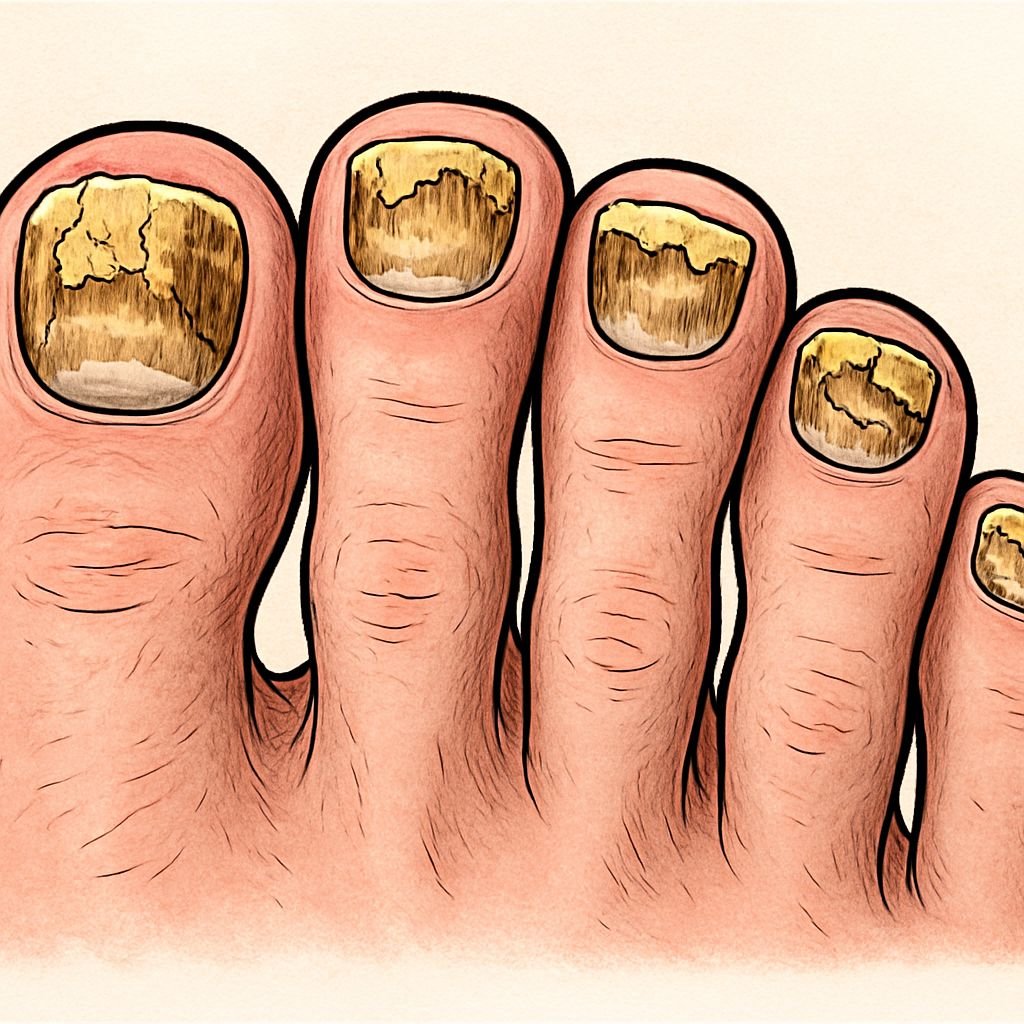
Toenail Fungus Keeps Coming Back — Here’s Why
Recurring toenail fungus isn’t a sign that your body is broken. It’s a sign that the conditions allowing fungus to thrive haven’t been fully addressed. The infection clears on the surface while the root cause — environmental exposure, incomplete treatment, or an underlying health issue — stays in place.
What Recurring Toenail Fungus Actually Means
Recurring toenail fungus means you’ve had the infection, treated it, and it returned — either in the same nail or neighboring ones. Dermatophytes, the most common fungi responsible for nail infections, are remarkably resilient. They don’t need much to survive: a dark, slightly moist environment and a slow-growing nail to feed on is more than enough.
When a nail appears to be healing, it can still harbor small colonies of fungi deep beneath the nail plate. Unless the entire nail grows out completely and the underlying nail bed is clear, the infection technically hasn’t resolved — it’s just quieter.
How Fast Toenail Fungus Spreads and Survives
Toenail fungus spreads through direct contact with fungal spores. These spores are tough — they can survive on surfaces, inside shoes, and on nail tools for extended periods. A single walk across a contaminated locker room floor or sharing a pair of nail clippers can reintroduce the fungus even after successful treatment.
The big toenail takes up to 18 months to grow out fully. That’s 18 months of vulnerability if prevention habits aren’t locked in from day one of treatment.
The Real Causes of Recurring Toenail Fungus
There’s rarely just one reason toenail fungus comes back. In most cases, it’s a combination of environmental exposure, behavioral habits, and sometimes biology working against you at the same time.
Fungi That Live Inside Your Shoes and Socks
Your shoes are a fungal paradise. They’re warm, dark, and frequently damp from sweat — exactly the conditions dermatophytes need to thrive. Most people treat their nails without ever treating their footwear, which is essentially reintroducing themselves to the same fungal environment every single day.
Socks that trap moisture make the problem worse. Synthetic fabrics that don’t breathe create a humid microclimate around your feet, and if you’re wearing the same pair of shoes two days in a row without letting them dry out completely, you’re extending that fungal habitat indefinitely.
Stopping Treatment Too Early
This is one of the most common mistakes. Antifungal treatments — whether topical or oral — need to be continued for the full prescribed duration, even when the nail looks better. Visible improvement doesn’t mean the infection is gone. The fungus can persist in nail tissue that hasn’t yet grown out, and stopping treatment early leaves just enough behind to start the cycle again.
Nail Injuries and Structural Vulnerabilities
A nail that has been injured — from dropping something on it, ill-fitting shoes, or repetitive pressure during exercise — is structurally compromised. Small separations between the nail and nail bed create entry points for fungal spores. Athletes and runners face this risk frequently, and repeated microtrauma to the same nail can make it a chronic target for reinfection.
Age-Related Nail Changes That Invite Fungus
As we age, toenails naturally become thicker, more brittle, and slower-growing. Reduced blood flow to the extremities also makes it harder for the immune system to fight off fungal invaders at the nail bed. These changes don’t make fungal infections inevitable, but they do shift the odds — which is why prevention becomes more important, not less, as you get older.
Health Conditions That Make You More Vulnerable
For some people, recurring toenail fungus isn’t just a hygiene issue — it’s a symptom of a deeper health picture. Certain medical conditions create an internal environment where fungal infections are significantly harder to prevent and treat.
Diabetes is one of the strongest risk factors. High blood sugar levels impair immune function and reduce circulation to the extremities, making it easier for fungi to take hold and harder for the body to clear the infection. People with diabetes also tend to experience slower nail growth, which prolongs the treatment timeline considerably.
Poor circulation — whether from peripheral artery disease, heart conditions, or a sedentary lifestyle — limits the delivery of immune cells and antifungal medications to the toes. Even with the right treatment protocol, reduced blood flow means slower results and a higher chance of recurrence. An immune system weakened by conditions like HIV, autoimmune disease, or long-term corticosteroid use creates similar vulnerabilities, allowing fungi that a healthy immune response would typically suppress to establish persistent infections.
How Diabetes Affects Nail Fungus Risk
Diabetes creates a perfect storm for toenail fungus. Elevated blood sugar feeds fungal growth directly, while the nerve damage that often accompanies diabetes — called peripheral neuropathy — means small nail injuries or early signs of infection can go unnoticed for longer than they should. By the time the infection is visible, it’s often well-established.
People with diabetes also need to be cautious about which treatments they use. Oral antifungal medications can interact with other medications commonly prescribed for diabetes management, which is why a podiatrist’s involvement isn’t optional — it’s essential. Keeping blood sugar levels well-controlled is itself one of the most effective tools for reducing fungal infection risk.
Poor Circulation and Immune System Weakness
When circulation is poor, the toes become isolated from the body’s natural defense system. Antifungal medications — even the most effective ones — rely on blood flow to reach the nail bed in therapeutic concentrations. If that delivery system is compromised, treatment takes longer, results are less predictable, and the risk of recurrence climbs. Improving circulation through regular movement, staying hydrated, and managing underlying cardiovascular conditions supports both treatment outcomes and long-term prevention.
Long-Term Prevention Plans That Actually Work
Prevention isn’t a single action — it’s a daily system. The people who successfully stop toenail fungus from returning aren’t doing one thing right; they’re doing several small things consistently. The good news is that most of these habits are simple once they become routine.
The following five strategies address the most common reinfection pathways: environmental contamination, moisture buildup, cross-contamination through tools, public exposure, and footwear as a fungal reservoir. Tackle all five and you’ve removed most of the ways fungus finds its way back.
1. Keep Feet Clean and Completely Dry Daily
- Wash feet thoroughly with soap and water every day, including between the toes
- Dry feet completely after washing — pay close attention to the spaces between toes where moisture hides
- After swimming or showering in shared facilities, dry your feet before putting on socks or shoes
- Consider using a foot powder or antifungal powder on feet and inside shoes to absorb excess moisture
Moisture is the single biggest environmental factor in fungal growth. Fungi cannot thrive on skin and nails that are consistently dry. This step sounds basic, but the execution matters — a quick towel swipe isn’t enough if you’re skipping the spaces between your toes.
Timing matters too. If your feet sweat heavily during the day, consider changing your socks midday rather than waiting until evening. A fresh pair of moisture-wicking socks can reset the moisture level around your feet and dramatically reduce the fungal-friendly conditions that build up over hours of wear.
2. Choose the Right Socks and Footwear
Not all socks are created equal when it comes to fungal prevention. Cotton holds moisture against the skin, which is the opposite of what you want. Moisture-wicking materials like merino wool or synthetic athletic blends actively pull sweat away from the foot. Shoes also matter — tight-fitting footwear that compresses the toes creates pressure, microtrauma, and a warm, confined environment where fungi flourish. Look for breathable materials like mesh or leather uppers and ensure there’s enough room in the toe box to avoid nail-to-shoe contact.
3. Disinfect Nail Tools After Every Use
Nail clippers, files, and pushers can carry fungal spores from one nail to another — or from one person to another. After every use, clean metal tools with 70% isopropyl alcohol and allow them to dry completely before storing. Never share nail tools with other household members, and if you visit a nail salon, either bring your own tools or confirm that the salon sterilizes instruments between clients using an autoclave or hospital-grade disinfectant solution.
4. Use Protective Footwear in Public Spaces
Pool decks, gym locker rooms, hotel bathroom floors, and communal showers are high-risk zones. Fungal spores shed from infected individuals collect on these surfaces and can transfer to bare feet in seconds. Wearing flip-flops or shower sandals in these spaces is one of the simplest and most effective barriers between you and reinfection. This habit is especially important during and after treatment, when the nail is still in a vulnerable state.
5. Sanitize the Inside of Shoes Regularly
Treating your nails without treating your shoes is like washing your hands and then immediately touching a contaminated surface. Fungal spores can live inside footwear for months. Use an antifungal shoe spray — such as Mycomist or a tea tree oil-based shoe deodorizer — on the interior of your shoes at least once a week. Rotating between two or more pairs of shoes gives each pair adequate time to dry out completely between uses, cutting off the moisture supply that spores need to stay viable.
Treatment Options for Stubborn or Returning Infections
When prevention alone isn’t enough — or when you’re dealing with an active recurring infection — treatment needs to be targeted, consistent, and long enough to actually work. The right approach depends on the severity of the infection, how many nails are affected, and your overall health status.
Prescription Topical Antifungal Medications
Prescription-strength topical antifungals are a frontline option for mild to moderate nail infections. Medications like efinaconazole (Jublia) and tavaborole (Kerydin) are specifically formulated to penetrate the nail plate — something over-the-counter topicals often struggle to do effectively. These are applied directly to the affected nail daily, typically for 48 weeks. Consistency is non-negotiable; missing applications significantly reduces effectiveness and increases the chance that the infection will persist beneath a nail that appears to be healing on the surface.
Oral Antifungal Medications
Oral antifungals are the most effective treatment option for moderate to severe toenail fungus, particularly when topical treatments haven’t worked or when multiple nails are affected. Terbinafine (Lamisil) and itraconazole (Sporanox) are the two most commonly prescribed options. Terbinafine is typically taken daily for 12 weeks and works by stopping the fungus from producing ergosterol — a compound essential to fungal cell membrane integrity. Clinical studies have shown terbinafine achieves complete cure rates significantly higher than topical treatments alone.
Oral antifungals do carry potential side effects, including rare liver-related concerns, which is why periodic blood tests may be recommended during treatment. They also interact with certain medications, making a full medication review with your doctor or podiatrist essential before starting. The key thing to understand is that oral antifungals don’t clear the nail immediately — they work by growing a fungus-free nail from the base upward, so the visible improvement takes months to show even when the treatment is working perfectly.
When Professional Nail Care Is Needed
Sometimes the nail itself becomes a barrier to effective treatment. Severely thickened, distorted, or damaged nails can prevent topical medications from reaching the nail bed at therapeutic concentrations. In these cases, a podiatrist may perform professional nail debridement — physically thinning or removing portions of the infected nail to improve medication penetration and relieve discomfort. In persistent, treatment-resistant cases, complete nail removal may be recommended to allow a fresh, healthy nail to grow in from the base without the fungal load embedded in the old nail structure.
Warning Signs Your Nail Problem Is Not Fungus
Not every discolored, thickened, or brittle toenail is caused by fungus — and this distinction matters enormously before you commit to months of antifungal treatment. Psoriasis of the nail, for example, can produce pitting, discoloration, and nail separation that closely mimics a fungal infection. Nail trauma from repeated pressure can cause dark discoloration and thickening that looks fungal but isn’t. Certain bacterial infections, most notably Pseudomonas, cause a greenish-black nail discoloration that is often mistaken for fungus. Even melanoma beneath the nail — while rare — can present as a dark streak or discoloration that is sometimes dismissed as a fungal issue. This is precisely why a clinical diagnosis, including laboratory nail sample analysis when necessary, is critical before beginning any treatment course.
The Right Time to See a Podiatrist
If toenail fungus has returned more than once, if over-the-counter treatments haven’t produced lasting results, or if you have diabetes, circulatory problems, or a compromised immune system, a podiatrist visit isn’t just recommended — it’s the most efficient path forward. A podiatrist can confirm the diagnosis with a nail culture, identify the specific fungal strain involved, and build a treatment and prevention plan tailored to your health profile and lifestyle. Early professional intervention almost always leads to better outcomes than months of self-treatment that doesn’t fully resolve the infection.
Frequently Asked Questions
These are the questions that come up most often when people are dealing with toenail fungus that just won’t stay gone. The answers cut through the common misconceptions and give you a clear picture of what to actually expect.
How Long Does It Take for Toenail Fungus to Fully Clear Up?
Toenail fungus clears slowly — and the timeline depends on which nail is affected, how severe the infection is, and which treatment is being used. Here’s what a realistic timeline looks like:
- Topical antifungals: 48 to 52 weeks of consistent daily application for full nail clearance
- Oral terbinafine: 12 weeks of treatment, with visible nail improvement continuing for 6 to 12 months afterward as the healthy nail grows out
- Big toenail full regrowth: Up to 12 to 18 months from the base to the tip
- Smaller toenails: 6 to 9 months for complete regrowth
The nail looking better partway through treatment does not mean the infection has resolved. The fungus can persist in nail tissue that hasn’t yet grown out, which is the most common reason infections return after treatment appears to be working.
Patience is genuinely non-negotiable here. Stopping treatment when the nail looks normal — rather than when the full treatment duration is complete — is the single most reliable way to set yourself up for a recurrence within months.
Can Toenail Fungus Spread to Other Toenails or Family Members?
Yes on both counts. Fungal spores shed from an infected nail can transfer to adjacent nails through shared clippers, tight footwear pressing nails together, or simply walking barefoot on surfaces where spores have accumulated. Within a household, shared bathroom floors, bath mats, and towels are common transmission routes. Family members — particularly those who share a bathroom or shower — should be aware of the risk and take preventive steps like wearing their own footwear in shared spaces and avoiding sharing nail tools or towels.
Is It Safe to Get a Pedicure If You Have Toenail Fungus?
It depends — but caution is warranted. Many nail salons do not sterilize instruments between clients using methods capable of eliminating fungal spores. If you have an active infection and visit a salon that uses shared, inadequately sterilized tools, you risk spreading the infection to other nails and potentially to other clients. If you do choose to get a pedicure during or after treatment, bring your own sterilized tools, inform the technician about the condition, and avoid nail polish on affected nails — polish traps moisture and prevents topical treatments from penetrating the nail effectively.
Does Toenail Fungus Ever Go Away Without Treatment?
Rarely, and not reliably. In otherwise healthy people with very mild, early-stage infections, the body’s immune system can occasionally suppress fungal growth enough that the infection becomes less visible. But a true spontaneous resolution — where the fungus fully clears without treatment — is uncommon.
More often, untreated toenail fungus progresses slowly over months and years, spreading to adjacent nails, thickening the nail plate, and creating increasing discomfort. In people with diabetes or compromised circulation, untreated nail fungus can lead to secondary bacterial infections and more serious complications. The risk-to-benefit calculation strongly favors treatment over watchful waiting in virtually all cases.
What Is the Most Effective Long-Term Treatment for Recurring Toenail Fungus?
There is no single silver bullet, but the most effective long-term approach combines oral antifungal treatment — typically terbinafine — with simultaneous attention to environmental prevention. Treating the nail without treating the shoes, socks, and surfaces the feet contact daily means the source of reinfection is never removed.
For people with recurring infections, maintenance therapy is increasingly recognized as a practical strategy. This might involve applying a topical antifungal once or twice weekly after the active treatment course is complete, as a prophylactic measure to prevent new fungal colonies from establishing themselves in a susceptible nail.
Addressing any underlying health conditions — particularly blood sugar control in diabetics and circulation support in those with vascular issues — significantly improves both treatment outcomes and long-term prevention. A podiatrist can assess whether maintenance therapy is appropriate and which form is most suitable given your health history and the specific strain of fungus involved.
