 Nail Fungus Cures Instant Cures for Painful Nails and Fungus
Related Articles



In a Nutshell
- Tinactin Powder contains tolnaftate, an antifungal agent that kills fungus by inhibiting the formation of the cell membrane, a crucial component for fungal growth
- Its powder formulation offers dual benefits of antifungal treatment and moisture control, making it ideal for sweaty areas prone to infection
- Tinactin is especially effective against common fungal infections like athlete’s foot, jock itch, and ringworm, with most users reporting relief from symptoms within 24-72 hours
- Unlike creams, Tinactin powder can be applied between toes and in skin folds, offering superior coverage in hard-to-reach areas
- Regular application of Tinactin powder can help prevent reinfection after treatment, making it a valuable resource for those dealing with recurring fungal issues
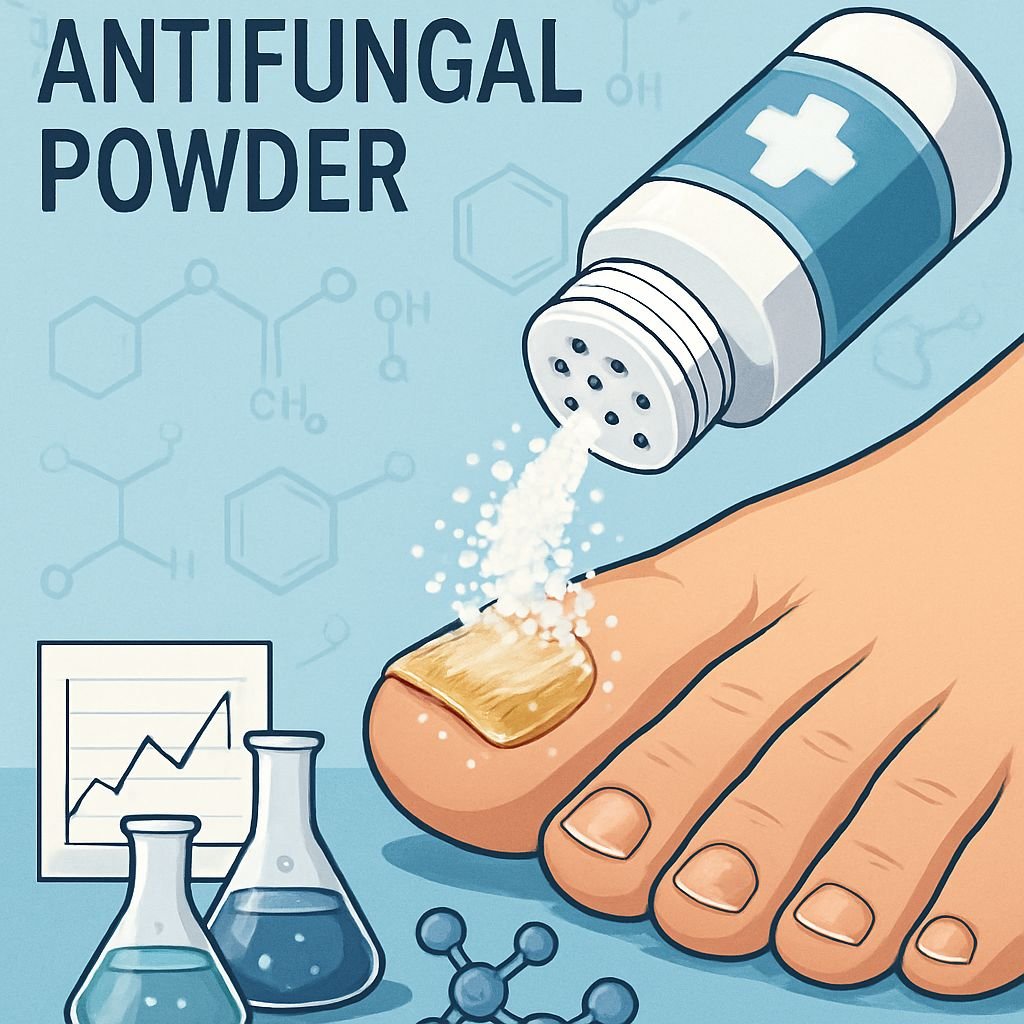
Fungal infections can be a real pain, causing discomfort and inconvenience. When warmth and moisture combine in areas like your feet, groin, or skin folds, fungi find a perfect environment to thrive—leading to itching, burning, and redness that can interfere with your daily activities. Tinactin Antifungal Powder provides an effective solution by not only treating these infections but also addressing the underlying conditions that allow them to thrive.
Created to fight typical fungal skin infections, Tinactin powder uses its active ingredient, tolnaftate, to provide benefits that liquid or cream versions can’t. The powder form absorbs extra moisture and keeps areas prone to infection dry, making it hard for fungi to live. HealthSmart Pharmacy suggests antifungal powders like Tinactin for people with recurring fungal infections, especially those who sweat a lot or work in damp environments.
Let’s delve into the science that makes this treatment so effective and why it might be the answer you’ve been searching for to finally beat those stubborn fungal issues.
How Tinactin Powder Tackles Persistent Fungal Infections
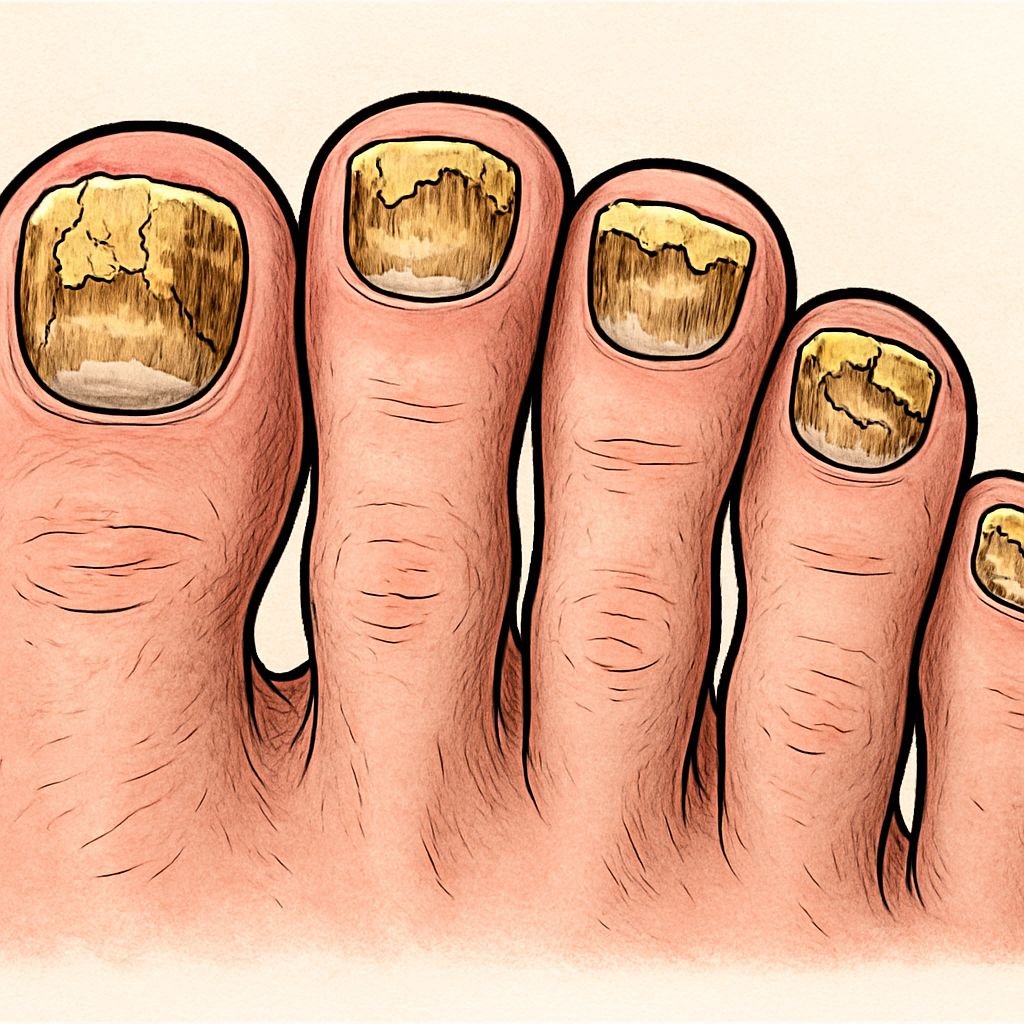
The reason why Tinactin powder is so effective lies in its two-pronged strategy against fungal infections. The active ingredient in the powder goes after the existing fungi, while the powder base creates an environment that is inhospitable to the growth of fungi. This makes it especially powerful against persistent infections that have not responded to other treatments, similar to some advanced toenail fungus treatments.
While other antifungal treatments only tackle the symptoms, Tinactin targets the root of the infection at the cellular level. The powder formulation is so fine that it can get into the smallest cracks and crevices in the skin where fungi can lurk, reaching areas that creams and liquids may not be able to. These hidden pockets of infection are often the reason for reoccurrences if they are not treated. For those interested in exploring other natural remedies, consider learning about essential oil blends for nail fungus.
Keeping the affected area dry is key to stopping the spread of fungi, which love warm, damp environments. Tinactin does this by absorbing moisture, creating conditions that naturally stop fungi from reproducing and spreading. This is particularly useful for people who sweat a lot or work in humid conditions, as it provides ongoing protection throughout the day.
How Tinactin’s Active Ingredient, Tolnaftate, Works
Tolnaftate is the active ingredient in Tinactin powder. It’s a synthetic antifungal compound that was created to fight superficial fungal infections. It was first introduced in the 1960s and has been a trusted treatment option ever since because it’s consistently effective and safe. On a molecular level, tolnaftate has a structure that targets fungi while leaving human cells unharmed. For those exploring alternative antifungal treatments, tea tree oil is another option to consider.
The way this compound works is by putting a stop to squalene epoxidase. This is an enzyme that fungi need in order to make ergosterol. Ergosterol is a vital part of the formation and integrity of the fungal cell membrane. Without it, fungal cells can’t keep their structure or grow. By blocking this pathway, tolnaftate effectively stops the fungi from creating new cells. At the same time, it weakens the ones that already exist. This leads to the infection being eliminated.
Research in a clinical setting has demonstrated that 1% concentrations of tolnaftate, the same amount that is in Tinactin powder, are able to effectively penetrate the top layers of skin to get to the infection site. The compound remains stable in the powder formulation, guaranteeing that it maintains its potency throughout the shelf life of the product.
How Tolnaftate Attacks Fungal Cell Walls
Tolnaftate’s targeted action makes it both potent and kind to human tissue. When you put it on infected skin, it quickly gets through the stratum corneum (the outermost skin layer) to get to the fungal colonies growing in the epidermal layers. Once there, it goes after the fungal cell wall synthesis process, which is quite different from human cell structures.
Unlike human cells that use cholesterol, fungi use ergosterol as a crucial part of their cell membranes. This is where tolnaftate comes in. It interferes with fungal growth without damaging human tissue. When the fungi try to multiply, tolnaftate prevents them from forming functional cell walls. This not only stops the infection from spreading, but it also gradually kills off the existing fungal cells.
How Tolnaftate Works
• It stops the enzyme squalene epoxidase
• It doesn’t allow ergosterol to be produced
• It messes with the formation of the fungal cell membrane
• It stops the fungus from growing and reproducing
• It eventually causes the fungal cells to die
The powder form of tolnaftate is even more effective because it keeps the area dry. This dryness not only makes it hard for the fungus to live, but it also makes sure the active ingredient is in contact with the skin. Unlike creams that can keep moisture in, the powder lets the skin breathe and keeps a steady amount of the antifungal on the skin. For more advanced treatments, you might want to explore effective technological solutions that target fungal infections.
Why Fungal Infections Can’t Build Resistance
Tolnaftate’s main advantage is its low incidence of resistance in fungi. Unlike antibiotics, which bacteria can often develop resistance against, fungi have shown very little ability to adapt to tolnaftate over many years of clinical use. This makes Tinactin powder a reliable choice for recurring fungal infections.
The reason why resistance doesn’t occur is due to the way tolnaftate works. It targets a key process in the growth of a fungal cell – one that can’t be easily changed without killing the fungi. This creates what scientists refer to as a “high genetic barrier to resistance.” To put it in layman’s terms, the fungi would need to make several complicated genetic changes at the same time to get past the effects of tolnaftate, and that’s highly unlikely.
Even though it has been used widely since the 1960s, tolnaftate is still highly effective against common dermatophytes, the fungi that cause athlete’s foot, jock itch, and ringworm, according to laboratory studies. This consistent effectiveness makes Tinactin powder a reliable choice for both new and recurring fungal infections.
What Kinds of Fungal Infections Can Tinactin Powder Cure?
Tinactin antifungal powder is a clinically tested treatment for numerous typical fungal infections that impact millions of individuals across the globe. While each infection has unique symptoms and patterns, they all originate from the same source: dermatophytes. These are a type of fungus that consumes keratin, which is found in the outer layers of skin, hair, and nails. Knowing which specific infections Tinactin can treat will help you make sure you’re using the right product for your infection.
Athlete’s Foot (Tinea Pedis)
Athlete’s foot is one of the most common fungal infections that can be treated effectively with Tinactin powder. This condition usually occurs between the toes where the warm, damp conditions create a perfect environment for fungus to grow. Symptoms can include itching, burning, peeling, and sometimes painful cracks in the skin. The infection can spread to cover the entire foot, including the sole and sides.
Tinactin powder is highly effective for treating athlete’s foot because it tackles both the infection itself and the moisture that makes it worse. The powder is easy to apply between the toes and helps to absorb sweat throughout the day. Research has shown that tolnaftate, the active ingredient in Tinactin, can kill up to 99.6% of the fungi that cause athlete’s foot when used regularly. Most people find that their itching and burning symptoms are much improved within 24-72 hours of starting to use the treatment.
Athlete’s Foot (Tinea Pedis)
Athlete’s foot is a common fungal infection that primarily affects the skin on the feet. It is most common in men and can be contracted by coming into contact with infected surfaces or people. The infection typically begins between the toes and can cause itching, stinging, and burning. If left untreated, it can spread to the hands and toenails.
People find Tinactin powder especially useful for jock itch since the powder form helps maintain the groin area dry—a key element in both treating and avoiding recurrence. The fine, lightweight texture allows for comfortable all-day wear without the oily residue of creams or ointments. Users particularly appreciate that Tinactin powder reduces the uncomfortable friction and chafing that often accompanies jock itch, providing immediate comfort while the antifungal component works to eliminate the infection. For those looking for additional natural remedies, vinegar foot soaks can also be beneficial.
Ringworm (Tinea Corporis)
Contrary to what its name suggests, ringworm is not caused by a worm. It’s actually a fungal infection, caused by the same type of fungi that cause athlete’s foot and jock itch. This infection presents itself as circular, red, scaly patches that may blister and ooze. Ringworm is most commonly found on the trunk, arms, and legs but it can develop almost anywhere on the body. The infection is spread through direct contact with infected people, animals, or objects that have been contaminated.
When it comes to ringworm, Tinactin powder works by forming a protective layer over the infected skin while simultaneously delivering the antifungal treatment straight to the site of the infection. The drying effect of the powder helps to decrease the amount of moisture that the fungi need to survive, which in turn speeds up the healing process. Ringworm is known for spreading easily, so the powder form of this treatment also helps to keep the infection from spreading by creating a physical barrier that lowers the risk of the fungi spreading to other areas of the body or even to other people. For additional natural remedies, you might consider tea tree oil for athlete’s foot.
5 Reasons to Use Tinactin Antifungal Powder
1. Rapid Symptom Relief
One of the first things you’ll notice when you apply Tinactin powder is how quickly it starts to work. Most people find that their itching and burning sensations start to fade within hours. That’s because the active ingredient, tolnaftate, starts to work as soon as it comes into contact with your skin. It interferes with the processes of the fungal cells, stopping them in their tracks. Meanwhile, the powder base helps to soothe your skin, reducing irritation.
Studies have shown that about 70% of patients see a significant improvement in their symptoms within the first 24-72 hours of consistent use of Tinactin powder. The powder’s fine particles provide a cooling effect when applied, which provides instant relief to hot, inflamed skin. This quick relief allows patients to get back to their normal activities without the constant distraction of itching or discomfort while the medication works to get rid of the underlying infection.
2. Keeping Things Dry
One of the biggest benefits of Tinactin powder compared to other antifungal treatments is its ability to control moisture. The powder is made up of talc and other ingredients that can absorb many times their own weight in moisture, helping to keep areas that are prone to fungus dry all day. This directly addresses one of the main environmental conditions that fungi need to thrive. For athletes, understanding toenail health is crucial in preventing fungal infections.
- Absorbs excess perspiration that contributes to fungal growth
- Creates a drier microenvironment hostile to fungal reproduction
- Reduces friction and chafing in moist areas
- Helps prevent maceration (softening and breakdown) of skin
- Continues working between applications for extended protection
For individuals with hyperhidrosis (excessive sweating) or those who work in hot environments, this moisture control can be the difference between successful treatment and persistent infection. The powder formulation continues to absorb moisture throughout the day, providing continuous protection even during physical activity or in humid conditions.
Lab tests have shown that Tinactin powder can keep absorbing moisture for up to 8 hours after you put it on. This makes it perfect for protection that lasts all day. This is especially helpful for people who can’t put more medication on while they’re at work or school. It makes sure the treatment keeps going without stopping. For more information on effective treatments, you might want to explore toenail fungus treatment remedies.
3. Simple To Apply Between Toes and Skin Folds
It’s common for fungal infections to pop up in places that are hard to get to with cream or liquid treatments. This includes between the toes, under the breasts, in groin folds, and other skin crevices. Tinactin powder is very fine and free-flowing, which allows it to easily get into these tight spots. This makes sure that the entire area that’s affected is covered. The powder can be shaken or sprinkled directly onto these hard-to-reach areas. This means you don’t have to touch or rub it in, which is great for areas that are already sore or irritated from the infection.
4. Sustained Defense
Compared to other topical treatments that often require multiple applications, Tinactin powder offers long-lasting protection with less frequent use. The powder formula sticks to the skin, forming a consistent antifungal shield that keeps working even when exposed to slight friction or dampness. This extended contact period increases the medication’s exposure to fungal cells, enhancing its overall potency.
Tinactin powder’s long-lasting effect is perfect for those who are always on the go and may not have the time to reapply the medication throughout the day. Applying it in the morning usually gives enough protection until the evening. Many users have found that applying it twice a day is enough to control even the most stubborn infections. This long protection period helps in better adherence to treatment plans, which directly leads to improved results.
5. Stopping Reinfection
Tinactin powder isn’t just good for treating infections, it’s also great at stopping them from coming back, which is a common issue with fungal conditions. After the infection has gone, the powder can be used to stop it from coming back in areas that are prone to it. It makes the area a place where fungus doesn’t want to be. If you keep getting athlete’s foot or jock itch, keep using Tinactin powder a few times a week after the symptoms have gone. This will make it much less likely that you’ll get reinfected.
People who regularly use communal showers or locker rooms, like athletes or military personnel, are often exposed to fungal elements. Using Tinactin powder can be an effective way to shield against these environmental fungi, thanks to its dual action of moisture control and antifungal properties. Studies have shown that competitive athletes who regularly use antifungal powder have up to 80% less infections compared to those who don’t use any preventative measures.
Maximizing the Effectiveness of Tinactin Powder
Using Tinactin powder correctly and consistently is key to getting the best results. The success of any antifungal treatment is largely dependent on how well it comes into contact with the infected area and how long the active ingredient stays put. When used as directed, Tinactin powder can clear up most common fungal infections in 2-4 weeks.
How to Apply It Correctly
Before you apply Tinactin powder, make sure your skin is clean and dry. Wash the area that’s affected with a gentle soap and water. Then, pat it dry very thoroughly. Make sure to get in between your toes or the folds of your skin where it can stay damp. If you apply the powder to skin that’s still wet, it won’t work as well. It might also clump up and not spread out like it should.
First, hold the container about half a foot to a foot away from your skin. Then, sprinkle or spray a thin, even layer of the powder over the entire area affected by the infection. Make sure to extend the application slightly beyond the visible infection. If you’re treating athlete’s foot, make sure to get the powder between and around all your toes, even if they don’t show symptoms. If you’re treating jock itch, apply the powder to your groin, inner thighs, and buttocks creases. For hard-to-reach areas like between your toes, you can apply the powder to your hand first and then gently work it into the affected spaces.
Use Tinactin powder at least two times a day—once in the morning after showering and again at night before bed. If your infection is severe or if you sweat a lot, you may want to use it more often throughout the day. After you swim, shower, or sweat a lot, you should use it again to keep protecting your skin.
How Long Should You Use Tinactin Powder?
It’s important to stick with your Tinactin powder treatment, even if you start to see improvements quickly. To make sure the infection is fully gone, keep using the powder for the full length of time that’s recommended. If you stop using it too soon, you could end up with a recurring infection because any leftover fungi can multiply quickly once you stop treating it.
Typically, uncomplicated infections will react to Tinactin powder within a week or two. However, even after all symptoms have vanished, you should continue treatment for at least two weeks. If you have a chronic or recurrent infection, you may need to treat it for 4-6 weeks to completely eliminate the fungus. If you see no improvement after two weeks of regular use, you should see a healthcare provider. This could indicate that you have a resistant infection or a different condition.
Using Tinactin with Other Antifungal Products
If you’re dealing with a severe or persistent infection, you might find that using Tinactin powder in combination with other products can help. Many skin doctors suggest using Tinactin cream or solution to treat the infection directly, and then following up with the powder to keep the area dry. This two-step method tackles both the infection itself and the conditions that help the fungus to grow. For those interested in exploring additional treatment options, consider learning about oral antifungal medication myths to make informed decisions.
Before applying the powder, make sure the cream or solution is fully absorbed into your skin. Usually, it’s best to wait 10-15 minutes between applications. If you apply a thick layer of cream under the powder, it can turn into a paste that might irritate your skin and decrease the powder’s ability to absorb moisture.
Comparing Tinactin Powder with Other Antifungal Treatments
Differences between Powder and Cream Formulations
Your choice between Tinactin powder and cream will depend largely on where your infection is located and how severe it is. Powders are great at absorbing moisture and providing long-lasting protection in areas that are prone to sweating or friction. Creams deliver higher concentrations of medication directly to the skin and create a protective barrier that can be beneficial for cracked, inflamed areas. For infections between toes or in skin folds, powder typically provides better coverage and drying effects, while creams may work better for well-defined patches on flat skin surfaces like the sole of the foot or the trunk. For more insights, you can explore toenail fungus treatment remedies that might complement your choice of antifungal treatment.
How Does Tinactin Compare to Lotrimin and Micatin?
Tinactin, Lotrimin, and Micatin are all popular over-the-counter antifungal treatments, but they don’t all work the same way. The active ingredient in Tinactin is tolnaftate, which is a different type of chemical than clotrimazole (found in Lotrimin) and miconazole (found in Micatin). These last two are both azole antifungals. All three are effective against common fungal infections, but they each have a slightly different method of action. Tolnaftate, for example, interferes with the production of a substance called ergosterol at an earlier stage than azoles do, which can make it more potent against certain types of fungi.
Studies have shown that these antifungal medicines are equally effective in treating athlete’s foot and ringworm, with a cure rate of 80-90% after four weeks of regular use. However, tolnaftate typically provides quicker relief of symptoms, with most users reporting a reduction in itching and burning within 24-72 hours, compared to 3-5 days for many azole products.
Tolnaftate has a major benefit in that it very rarely causes skin irritation and allergic reactions. About 2-5% of people using azole antifungals experience contact dermatitis, but less than 1% of people using tolnaftate have a negative reaction. This makes Tinactin a great option for people with sensitive skin or who have had irritation from other antifungal treatments.
- Tinactin (tolnaftate): Faster symptom relief, excellent safety profile, very low irritation potential
- Lotrimin (clotrimazole): Broader spectrum against various fungi, effective for candida infections
- Micatin (miconazole): Strong action against resistant strains, also effective against some bacteria
- Lamisil (terbinafine): Highly effective but higher irritation potential, especially effective for athlete’s foot
- Desenex (undecylenic acid): Slower action but good for prevention, mild cases, and sensitive skin
When to Choose Tinactin Powder Over Other Options
Tinactin powder becomes the optimal choice for several specific scenarios. For individuals with excessive foot sweating (hyperhidrosis), the powder formulation provides dual benefits of antifungal treatment and moisture control that creams cannot match. Athletes and individuals who wear occlusive footwear for extended periods benefit particularly from the powder’s ability to reduce friction and prevent the maceration (softening) of skin that often precedes infection. The powder’s drying effects can help break the cycle of moisture that promotes fungal growth. For more details on its uses, check out Tinactin’s profile.
When it comes to preventing a resurgence after a successful treatment, Tinactin powder has a leg up on other formulations. Its ease of application and non-greasy feel make it perfect for daily preventive use, particularly in public places like gym locker rooms or swimming facilities where the risk of fungal exposure is high. The lightweight formulation can be applied quickly before putting on socks and shoes, making it a convenient addition to daily routines. HealthSmart Pharmacy specifically recommends Tinactin powder for patients with recurring fungal infections who need a one-stop solution for both treatment and prevention.
Common Queries
People who are suffering from fungal infections often have many questions about how to get better. Tinactin powder is a useful tool in the fight against many of these infections, but it’s important to know how to use it correctly and what its limitations are to get the best results. These are some of the most frequently asked questions that people have about using antifungal powders.
Many people ask how long it will take to see improvement, how to prevent future infections, and when they should seek additional medical help. Understanding these points will help you use Tinactin powder more effectively and know when your condition might need to be evaluated by a professional.
| Symptom | Effect of Tinactin Powder | When to Consult a Physician |
|---|---|---|
| Intense itching/burning | Typically subsides within 24-72 hours | If symptoms persist or worsen in 5-7 days |
| Redness/swelling | Usually starts to diminish within 3-5 days | If redness expands or becomes more severe |
| Flaky/peeling skin | Slowly gets better over 1-2 weeks | If significant peeling persists after 2 weeks |
| Prevention post-treatment | Apply 2-3 times weekly in prone areas | If infections reappear more than 3-4 times a year |
| Total recovery | Generally within 2-4 weeks of regular use | If no progress after 4 weeks of therapy |
Consistently observing your symptoms while using Tinactin powder can help gauge improvement and detect any potential issues. Pay attention to any alterations in the look of the affected region, such as increasing redness, heat, swelling, or streaking, as these could signify a bacterial infection that needs a different type of treatment. Most fungal infections react positively to over-the-counter treatments like Tinactin, but if conditions persist or worsen, they should be assessed by a medical professional. For those interested in alternative treatments, you might explore tea tree oil for fungal infections as a natural remedy.
When will I start to see results from using Tinactin powder?
Most people start to feel relief from symptoms such as itching and burning within 24 to 72 hours of applying Tinactin powder. This is because the active ingredient, tolnaftate, gets right to work disrupting the growth of the fungus, while the powder helps to dry out the area and soothe your skin. It usually takes 1 to 2 weeks for symptoms like redness, scaling, and peeling to go away completely, and it can take 2 to 4 weeks to completely get rid of the fungus. To make sure you’ve killed all the fungus, it’s a good idea to keep using Tinactin for at least a week after your symptoms are gone. For more information on effective treatments, check out this guide on toenail fungus treatments.
Can I use Tinactin powder as a preventative measure, even if I don’t have a fungal infection?
Absolutely, Tinactin powder is highly effective at preventing fungal infections, even if you don’t currently have one. For those who have a history of recurring fungal infections, or those who are regularly exposed to high-risk environments such as locker rooms, pools, or communal showers, daily preventative use can significantly lower the chances of infection. The combination of antifungal medication and moisture control creates an environment where fungus can’t take hold and grow.
To prevent fungal infections, lightly dust susceptible areas with Tinactin powder daily. Pay special attention to the spaces between your toes, inside your shoes, and in skin folds where moisture often builds up. Athletes and military personnel who took part in studies using antifungal powder as a preventative measure experienced up to 80% fewer fungal infections than those who didn’t use any preventative measures. The powder also absorbs moisture, which provides added benefits. It reduces friction, prevents blisters, and minimizes skin maceration during physical activity. For more information on effective treatments, check out this guide on advanced toenail fungus treatments.
For those who are more prone to fungal infections, it would be beneficial to combine these additional preventative measures with the use of Tinactin powder for full protection:
- After swimming or bathing, dry your feet and other areas that are prone to infection thoroughly
- Wear socks that wick away moisture and change them often on days when you’re active
- Wear shoes that let your feet breathe and switch shoes often to allow them to dry completely
- Wear shower shoes or flip flops in public showers and locker rooms
- Don’t share personal items like towels, socks, or shoes with others
Is it safe to use Tinactin powder on children?
Tinactin powder is generally safe for children 2 years and older when used as directed. It’s a good choice for young, sensitive skin because it has a good safety record and is not likely to cause irritation. For children under 2 years, check with a pediatrician before using it. They may suggest different treatments or ways to apply it. When you apply Tinactin powder to a child, be careful not to let them breathe it in. Keep it away from their face and apply it in a well-ventilated area. For young children who might touch or rub the area where you applied it, it’s a good idea to apply the powder right before they get dressed. That way, it’s more likely to stay where you put it and not get in their eyes or mouth. For more information on effective treatments, you might explore toenail fungus treatment remedies.
Is Tinactin powder effective against nail fungus?
Unfortunately, Tinactin powder is not a suitable treatment for nail fungus, also known as onychomycosis. The active ingredient in Tinactin, tolnaftate, is effective against surface fungi but cannot penetrate the thick keratin structure of the nail to reach the site of infection. Nail fungus requires specific treatments that can penetrate the nail plate, like prescription oral antifungals or medicated nail lacquers. That said, Tinactin powder can help prevent the spread of nail fungus to the surrounding skin by creating a protective barrier around the infected nail. If you think you have nail fungus, you should see a healthcare provider for appropriate treatment options, as these infections are unlikely to go away without targeted treatment.
What happens if my fungal infection doesn’t improve after using Tinactin powder for 4 weeks?
Seek medical attention if you’ve been using Tinactin powder consistently for 4 weeks and your infection hasn’t improved significantly. This could mean that the fungus causing your infection is resistant to the antifungal ingredient in Tinactin, or that you have a different type of infection (like a bacterial or mixed infection), or a health problem that’s affecting your immune system. Your healthcare provider can run tests to find out what’s causing your infection and may prescribe a stronger medication. Sometimes, what looks like a fungal infection is actually a skin condition like psoriasis, eczema, or contact dermatitis, which need different treatments.
When You Should See a Doctor for Fungal Infections
• The infection doesn’t improve after 4 weeks of treatment
• Symptoms get worse while you’re treating it
• The infection starts to spread even though you’re treating it
• You start to have a lot of pain, warmth, or swelling
• Red streaks start to appear moving away from the infection
• You have diabetes or a weakened immune system
• The infection covers large parts of your body
People with diabetes or weakened immune systems need to be more careful with fungal infections. They can get secondary bacterial infections more easily, and they might not heal as quickly. If you have these conditions, you might want to talk to your healthcare provider sooner rather than later. You might even want to get in touch at the first sign of infection.
Knowing when to use Tinactin powder and when to seek additional help can ensure that fungal infections are treated effectively before they become more serious. Most common fungal skin infections respond well to over-the-counter treatments when used properly and consistently, but it’s also important to know the limitations of these products to keep your skin healthy. For more advanced cases, you might consider exploring advanced toenail fungus treatments that offer effective technological solutions.
Tinactin powder is a one-stop solution for treating and preventing common fungal infections. It works by not only targeting the fungus causing the infection but also the moist environment that allows it to thrive. This two-pronged approach ensures that the infection is dealt with effectively and efficiently. For more detailed information on various treatment remedies for fungal infections, explore this comprehensive guide.
HealthSmart Pharmacy suggests using Tinactin powder as the go-to treatment for those who are prone to getting fungal infections again and again, especially in areas that tend to get sweaty. If you need help figuring out how to handle fungal infections or deciding which antifungal product is best for your particular case, talk to your doctor or have a chat with a pharmacist at HealthSmart Pharmacy.
You haven’t provided any content to rewrite. Could you please provide the content you want rewritten?
