 Nail Fungus Cures Instant Cures for Painful Nails and Fungus
Related Articles



Main Points
- Tea tree oil is rich in potent antifungal compounds that can effectively treat toenail fungus when used consistently and in the correct dilution.
- While scientific studies show mixed results, tea tree oil may work as a supplementary treatment alongside conventional methods for quicker fungal clearance.
- Proper application techniques include direct application with a cotton swab, foot soaks, and preventative sprays for a comprehensive treatment.
- Treatment requires patience – visible improvement typically takes 2-3 months with full resolution possibly requiring 6-12 months of consistent application.
- Natural remedies like tea tree oil offer fewer side effects than prescription medications, making them an attractive option for long-term fungal management.
Dealing with toenail fungus can feel like a never-ending battle. If you’ve tried numerous over-the-counter treatments with little success, tea tree oil might be the natural solution you’ve been looking for. This potent essential oil has been used for centuries in traditional medicine and continues to gain popularity as a treatment for stubborn fungal infections.
Tea tree oil is a natural product extracted from the leaves of the Melaleuca alternifolia tree, which is native to Australia. It contains a compound called terpinen-4-ol, along with other compounds that have been proven to have antimicrobial and antifungal properties. Unlike the harsh treatments that are often used, tea tree oil is a gentler alternative. It can help to avoid the side effects that are often associated with prescription medications, while still effectively targeting the source of the fungal infection.
Here at Natural Health Solutions, we’ve explored the best natural treatments for common health issues. We’ve found that tea tree oil is one of the most effective essential oils for treating fungal infections, especially in the toenails and feet. Our detailed guide will teach you everything you need to know about using this potent plant-based treatment to get rid of persistent infections and stop them from coming back.
Tea Tree Oil: The Natural Solution for Persistent Toenail Fungus
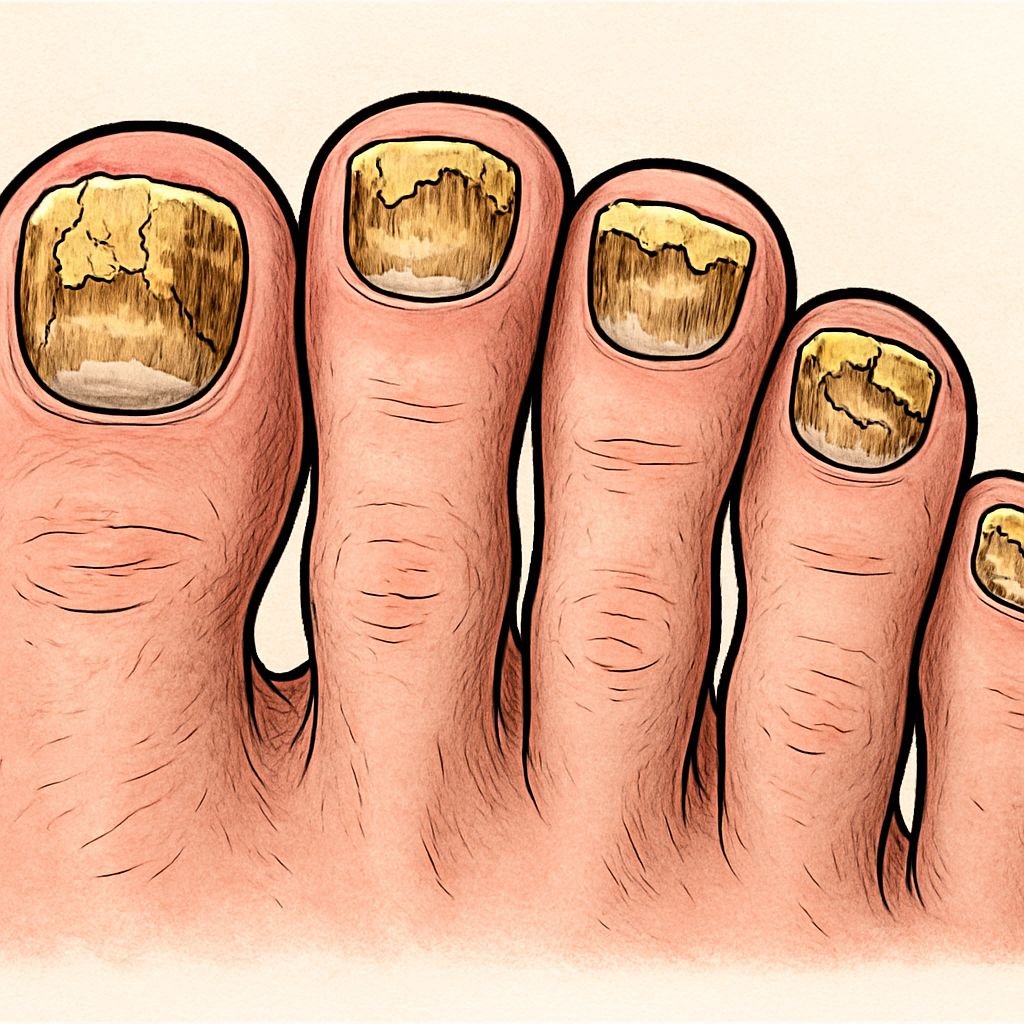
Toenail fungus (onychomycosis) is a condition where fungi infect one or more nails, leading to discoloration, thickening, and brittleness. This widespread condition affects about 10% of the general population, but this increases to nearly 50% in individuals over 70. The infection usually starts with a small spot at the edge of the nail before slowly spreading deeper into the nail bed, making early intervention critical for successful treatment.
Tea tree oil is known to be a strong natural antifungal, which makes it a great solution for nail fungus. The natural compounds in the oil can get through the nail bed to reach the fungus, which is where it lives and grows. Unlike some commercial treatments that only treat the symptoms on the surface, tea tree oil treats the actual cause of the infection. Plus, because it’s natural, it’s less likely to cause the harsh side effects that prescription antifungals can cause, like liver damage or skin irritation, when it’s used correctly.
Tea tree oil is so effective because it has the power to break down the protective cell walls of fungi. Once these walls are weakened, the fungal cells are exposed and eventually perish. On top of this, tea tree oil can help lessen inflammation and itching that come with fungal infections, offering relief from symptoms while tackling the infection itself.
What Does Research Say About Using Tea Tree Oil for Fungal Infections?
Scientists are still studying how effective tea tree oil is against different types of fungi. Some studies show mixed results, but many suggest that it could be a useful treatment for fungal nail infections, either on its own or in combination with other treatments.
What the Studies Show
One laboratory study from 2013 showed that tea tree oil was successful in stopping the growth of Trichophyton rubrum, one of the most common fungi that cause nail infections. The study found significant antifungal activity at concentrations as low as 0.25%. More persuasive evidence comes from a 1999 clinical study where participants used a cream containing 2% butenafine hydrochloride and 5% tea tree oil. After 16 weeks, 80% of participants in this group showed partial or complete nail clearing, suggesting that tea tree oil may enhance the effectiveness of conventional treatments.
Yet, the research isn’t all conclusive. A thorough review in 2021 observed that, although tea tree oil seems to be a promising supplementary treatment, the quality and breadth of past studies were restricted. The researchers inferred that tea tree oil might lessen the quantity of conventional medicine required, but they did not go as far as suggesting it as a separate treatment for serious infections.
Professional Opinion: “Tea tree oil is composed of compounds that have shown definite antifungal characteristics in lab environments. While there are encouraging results from clinical studies, more research is needed to establish standard treatment procedures. For the best outcome, think about using tea tree oil as part of a complete plan for managing fungal infections instead of as the only treatment.”
The Fungicidal Properties of Tea Tree Oil
Tea tree oil’s antifungal properties are largely due to its ability to damage the cell membranes of fungi. The primary active ingredient in tea tree oil, terpinen-4-ol, can infiltrate the fungal cell wall and interfere with its normal operations. This results in the spillage of essential cell components and ultimately results in cell death.
Tea tree oil is a powerful antimicrobial, which means it can help keep those secondary bacterial infections at bay that often show up when you’re dealing with fungus. This is part of what makes it such a versatile treatment for all things foot care. The oil is also a natural anti-inflammatory, so it can help soothe red, swollen, irritated skin while the antifungal properties get to work killing the fungus.
Scientific research has shown that tea tree oil can successfully stop dermatophytes, the fungi that cause most nail and skin infections, from growing and spreading. This means it could be used as a treatment or even a preventative measure for people who often get fungal infections.
How Does It Stack Up Against Store-Bought Remedies?
There are quite a few differences when you compare tea tree oil to the typical store-bought treatments. Most of the antifungal products you can buy at the store have ingredients like clotrimazole, terbinafine, or undecylenic acid. While these synthetic compounds can be effective, they also tend to have more side effects, such as skin irritation, redness, and a burning feeling. Tea tree oil generally has fewer side effects when it’s diluted correctly, which makes it a good option for people with sensitive skin or for those who want a more natural option.
Tea tree oil is also a cost-effective treatment option. A small bottle can last for months, and it is often much cheaper than specialized nail fungus treatments. Additionally, tea tree oil is a versatile treatment option that can be used for more than just toenail fungus. It can also be used to treat athlete’s foot, ringworm, and minor skin infections. However, commercial treatments are more convenient because they are ready to use, while tea tree oil must be properly diluted and prepared before it can be applied. For more information on home remedies, check out this article on foot fungus home remedies.
When it comes to how long it takes for treatments to work, both tea tree oil and over-the-counter treatments require regular, long-term use. Neither option offers a fast solution, although some users report quicker relief of symptoms with the anti-inflammatory properties of tea tree oil. For severe infections, prescription drugs are still more effective, but tea tree oil can be a useful additional treatment or maintenance option after standard treatment.
How to Treat Toenail Fungus with Tea Tree Oil
Consistency and the right technique are key to successfully treating toenail fungus with tea tree oil. This comprehensive guide will help you get the most out of the oil’s antifungal properties while avoiding any possible irritation.
1. Correct Dilution Methods
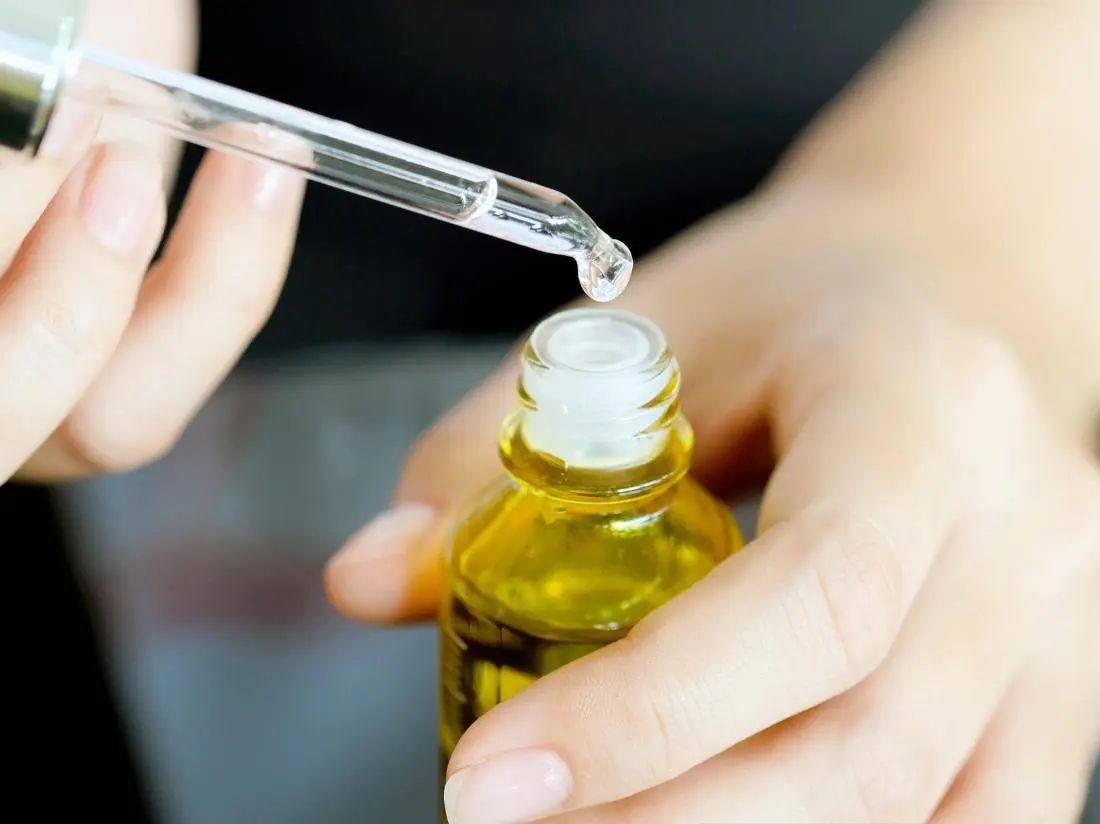
Applying undiluted tea tree oil directly to your skin or nails should be avoided. This potent essential oil can lead to severe irritation, burning, and allergic reactions. The best dilution for treating toenail fungus is a 5-10% concentration in a carrier oil. To make this mixture, combine 5-10 drops of top-quality tea tree oil with one teaspoon of a carrier oil like coconut, olive, or jojoba oil. For those with sensitive skin, begin with a 2-3% concentration (2-3 drops per teaspoon of carrier oil) and slowly increase as tolerated.
Another way to dilute tea tree oil is by mixing it with a neutral cream or lotion base. This method makes a more stable application that won’t evaporate as quickly. Mix 10-15 drops of tea tree oil with one ounce of unscented lotion to make a treatment that’s easy to spread. Always keep your diluted mixture in a dark glass container and out of direct sunlight to keep it potent.
2. Applying Tea Tree Oil Directly
Make sure to clean and dry the nail that has the fungus before applying the tea tree oil. If there is any moisture trapped under or around the nail, the fungus could get worse and the treatment might not work as well. Use a clean cotton swab, cotton ball, or clean toothbrush to apply the diluted tea tree oil mixture directly to and under the nail that has the fungus. Make sure to focus on the nail bed and the space under the free edge of the nail because that is where the fungus usually grows.
To get the best results, put the treatment on two times a day – one time in the morning and one time before you go to sleep. After you put it on, wait for the oil to soak in for at least 10 minutes before you put on socks or shoes. If you can, leave the nail without a cover for as long as you can after you treat it to let air move around. Being consistent is very important, because if you miss putting the treatment on, the fungus can get stronger and keep spreading.
3. Recipe for a Foot Soak
Soaking your feet in a tea tree oil foot bath can help to soften the nail and allow the antifungal properties to penetrate more effectively. To make a foot bath that will help, fill a basin with enough warm water to cover your feet up to your ankles. Add 15-20 drops of tea tree oil and, if you like, 1/4 cup of Epsom salt to help draw out the infection. To boost the antifungal properties, add 1/4 cup of apple cider vinegar, which creates an acidic environment that fungi don’t like.
Immerse your feet for 20-30 minutes, then dry them completely with a clean towel. Make sure to get the spaces between your toes. Apply the direct application method described above right away for the best effect. For the best outcome, do this foot soak 2-3 times a week in addition to your twice-daily direct applications.
4. Nail Care and Upkeep While Undergoing Treatment
Correct nail care can greatly improve the efficiency of tea tree oil treatments. Maintain your nails by keeping them short and cut straight across to lessen pressure and avoid additional damage. Use a clean emery board to gently file down any thickened areas of the nail, starting from the outer edge and moving towards the middle to stop the infection from spreading. Always ensure your nail tools are disinfected after use by either immersing them in alcohol for 10 minutes or washing them in hot, soapy water and then rinsing with hydrogen peroxide.
5. How Long It Takes and What You’ll See
Getting rid of toenail fungus takes time and determination. Most people start to see results after 2-3 months of regular treatment, but it can take 6-12 months for the fungus to completely go away as the infected nail grows out and is replaced by healthy nail tissue. In the first few weeks, you might see less discoloration and your nails might not be as brittle. As you keep treating it, the new nail growth at the base should look clear and healthy. Don’t get discouraged if it seems like it’s taking a long time – toenails only grow about 1mm per month, so it takes a while for a new one to grow in.
Tea Tree Oil as a Remedy for Athlete’s Foot
Athlete’s foot (tinea pedis) is a common fungal infection that often goes hand in hand with toenail fungus. It affects the skin on your feet and can cause itching, burning, peeling, and even painful cracks between your toes. Tea tree oil is a great treatment option for athlete’s foot because of its potent antifungal properties. Not only can it help treat the infection, but it can also help prevent it from coming back. By adding tea tree oil to your foot care routine, you can tackle both the toenail fungus and the skin infection at the same time.
Preventative Spray for Everyday Use
For those who suffer from recurrent athlete’s foot, a tea tree oil spray is a handy way to apply daily prevention and upkeep. To make a preventative spray that works, mix 20 drops of tea tree oil with 1/4 cup of witch hazel or distilled water in a small spray bottle. Shake it well before each use and spray it onto clean, dry feet, paying special attention to the areas between the toes and around the nails. Let it dry completely in the air before putting on socks or shoes.
Applying Cream for Active Infections
- If you have an active athlete’s foot infection, make a stronger cream by combining 15-20 drops of tea tree oil with 2 tablespoons of coconut oil and 1 teaspoon of olive oil.
- Twice a day, apply a thin layer of this mixture to the affected areas after washing and drying your feet thoroughly.
- If you have a severe case, add 5 drops of oregano oil or lavender oil to increase the antifungal effects.
- Keep treating for 1-2 weeks after the symptoms are gone to make sure the fungus is completely gone.
Tea tree oil has antifungal properties, which makes it effective against the different types of fungi that cause athlete’s foot. Regular application not only treats the infection, but also helps to relieve the itching and burning that often come with this common condition. For the best results, always wash and dry your feet thoroughly before applying any treatment.
When it comes to treating athlete’s foot, it’s crucial to keep your feet clean to avoid getting reinfected. You should change your socks every day, wear shoes that let your feet breathe, and don’t walk barefoot in public showers, pools, or locker rooms. You might also want to think about switching between two pairs of shoes to let them dry out fully between uses, which will help cut down on the damp conditions that fungi love.
People often find that using a combination of the spray and cream formula works best for them. The spray is used daily for prevention and the cream is used when they have an outbreak. This strategy not only helps with the immediate symptoms, but also helps prevent the annoying cycle of infections that many people with athlete’s foot go through.
Improve Your Outcome with These Additional Treatments
Additional Treatments to Boost Tea Tree Oil Efficacy
Tea tree oil is potent by itself, but when mixed with other natural remedies, it can speed up the healing process and enhance results. These combined methods tackle fungal infections in several ways for a well-rounded treatment.
When dealing with persistent fungal infections, you might want to consider adding other natural remedies to your treatment plan along with tea tree oil. By doing so, you can create a synergistic effect, attacking the infection from multiple angles at once. The best natural remedies to pair with tea tree oil are those that have their own proven antifungal properties.
Garlic extract has allicin, a compound that has proven antifungal qualities. Make a mixture of crushed garlic (2 cloves) soaked in 2 tablespoons of olive oil for 30 minutes, then add 10 drops of tea tree oil to make a powerful treatment. Use a cotton swab to apply this mixture to the nails that are affected before you go to bed, and cover it with a bandage overnight. The combination works better to penetrate the nail tissue than either ingredient on its own.
Another effective method is to alternate between various natural treatments throughout the week. You might apply tea tree oil for two days, then switch to oregano oil (diluted to 5% in a carrier oil) for the next two days, and then use pure coconut oil for the remaining three days. This rotation helps to prevent the fungus from adapting and becoming resistant to the treatment, which can happen if you only use one type of treatment. This is especially helpful for persistent or recurring infections.
Tea Tree Oil and Apple Cider Vinegar Mix
Apple cider vinegar can soften the nail and create an acidic environment that is not conducive to fungal growth. This allows the tea tree oil to penetrate the nail more effectively. Make a potent double-action soak by mixing 1/2 cup of apple cider vinegar, 1/2 cup of warm water, and 15 drops of tea tree oil. Soak the affected foot for 20 minutes each day, then dry it thoroughly and apply your diluted tea tree oil directly to the nail. The acetic acid in the vinegar can break down the fungal cell membranes, while the terpinen-4-ol in the tea tree oil can attack the fungus in a different way.
Many people have found that combining these two treatments works better than using either one on its own. The vinegar’s acid helps to remove the damaged nail tissue and balances out the alkaline conditions that many fungi thrive in. This makes it especially good for infections that have been around for a while and have caused the nail to thicken or become damaged. If the infection is really bad, you can soak your foot twice a day and then apply the tea tree oil directly.
Boosting Effects with Coconut Oil
Coconut oil is a perfect carrier oil for tea tree oil because it has its own antifungal benefits. The medium-chain fatty acids in coconut oil, especially caprylic acid, have proven antifungal properties. When it’s mixed with tea tree oil, coconut oil improves the delivery of the active compounds and provides extra moisture to counter the drying effects of tea tree oil. You can mix 10 drops of tea tree oil with 1 tablespoon of melted coconut oil and apply it to the affected nails twice a day for a complete treatment plan.
During the winter, when nails and cuticles are prone to drying out and becoming brittle, this combination is especially helpful. The coconut oil keeps the skin around the nails moisturized, while the tea tree oil fights the infection. To make it more effective, you can warm the mixture slightly before applying it, which will help it absorb through the nail plate. You can do this by putting the container in warm water for a few minutes. Just make sure not to overheat it, as this can break down the active ingredients in the tea tree oil.
Essential Safety Measures to Consider
Checking for Skin Sensitivity
Before you start the full treatment, it’s crucial to do a patch test to determine if you’re sensitive or allergic to tea tree oil. Apply a tiny amount of diluted tea tree oil (1 drop of oil to 12 drops of carrier oil) to your inner forearm. Cover it with a bandage and leave it for 24 hours. If you notice any redness, itching, burning, or swelling, tea tree oil may not be the right option for you. Even if you have used tea tree oil in the past without any problems, it’s still important to do this test before treating a new condition, as you can develop sensitivity over time.
Should the patch test reveal minor irritation, consider diluting the oil more before continuing. Individuals with sensitive skin may need to begin with a 1-2% concentration (1-2 drops per teaspoon of carrier oil) as opposed to the usual 5-10%. Never put undiluted tea tree oil straight onto the skin or nails, as this greatly heightens the chance of severe irritation, chemical burns, and allergic reactions that can make your fungal infection worse.
Precautions for Pregnant Women and Children
It is always best for pregnant or breastfeeding women to check with their doctor before using tea tree oil, even when applying it to the skin. Although it is generally safe for most adults to use topically in the correct dilutions, there is not much research on its effects during pregnancy. Some essential oils can cross the placenta or get into breast milk, which could potentially affect the development of the fetus or nursing babies. If your doctor gives you the go-ahead, use the lowest dilution (1-2%) and only apply it to small areas.
Indications of Negative Reactions
If you encounter any negative reactions such as constant redness, severe itching, pain, blisters, or a rash, stop using immediately and rinse the area with cold water. Even though the risk is minimized with proper dilution, some people may develop a sensitivity to tea tree oil even after they have used it successfully before. Other potential side effects include temporary skin dryness or mild peeling as the infection gets better. This is normal and usually goes away as the treatment continues, but if you have excessive dryness or cracking, you need to address it with a neutral moisturizer applied after the tea tree oil has fully absorbed.
When to Seek Medical Advice
- The infection shows signs of bacterial involvement (increased warmth, red streaks, pus, or fever)
- You have diabetes, circulatory problems, or a compromised immune system
- The infection continues to worsen after two weeks of consistent treatment
- The affected nail becomes painful or the surrounding skin becomes severely inflamed
- The infection spreads to multiple nails or other areas of your body
Natural remedies like tea tree oil can be effective for mild to moderate fungal infections, but certain conditions require professional medical intervention. Individuals with diabetes face significantly higher risks from foot infections due to potential circulation issues and delayed healing. What begins as a simple fungal infection can quickly progress to more serious complications if not properly treated. In these cases, prescription antifungals may be necessary to prevent serious complications.
Professional treatment may be required for nails that are severely thickened or distorted. If fungal infections have been present for years, the nail bed can become permanently damaged, which makes it difficult for any topical treatment to penetrate effectively. In these instances, a podiatrist can safely thin the nail through professional debridement, which can increase the effectiveness of subsequent treatments, whether they are conventional or natural.
If you’ve been diligently applying home remedies for 2-3 months and your infection hasn’t improved, it’s time to consult a doctor. They may suggest prescription antifungal treatments, which are often more effective for severe or stubborn infections. These could include oral drugs like terbinafine (Lamisil) or itraconazole (Sporanox), or prescription-strength topical treatments with ingredients you can’t buy over-the-counter.
Common Questions
There are many questions people have about using tea tree oil for fungal infections. These common questions cover the typical worries and misunderstandings about this natural treatment. Knowing these things can help you use tea tree oil safely and effectively in your fungus treatment routine.
Keep in mind that tea tree oil is a natural way to treat fungal infections, but it requires regular use and patience to see results. These answers offer guidelines based on both scientific studies and practical experience from those who have successfully used tea tree oil to treat toenail fungus.
How long does it take for tea tree oil to clear toenail fungus?
Many people start to see changes in their nail’s appearance after 2-3 months of consistent, twice-daily application. However, total clearance typically requires 6-12 months of treatment as healthy nail growth must replace the infected portions. The time frame depends on several factors including the severity of the infection, how long you’ve had it, your age (nails grow more slowly as we age), and your overall health. During treatment, you’ll likely notice gradual improvements: first a reduction in discoloration, then decreased brittleness, and finally healthy new nail growth from the base.
It is important to be patient and consistent. Many people give up on the treatment too soon when they don’t see results right away, which gives the fungus the chance to come back. To see the slow progress, take weekly pictures of your affected nail. Keep treating it until the nail has completely grown out and is replaced by healthy tissue. Then, keep up a prevention routine to avoid it coming back.
Is it safe to apply undiluted tea tree oil directly to my toenail fungus?
Applying undiluted tea tree oil directly to your skin or nails is not recommended. This potent essential oil can cause serious irritation, chemical burns, and allergic reactions if used at full strength. It’s important to dilute tea tree oil to a 5-10% concentration with a suitable carrier oil, such as coconut, olive, or jojoba oil, before applying it. If you have sensitive skin, you should start with a lower concentration (1-2%) and slowly increase it if no irritation occurs. Don’t fall into the trap of thinking that a stronger concentration will yield better results. This can lead to painful complications that could hinder your fungal treatment.
Is tea tree oil effective against all types of fungal infections?
Tea tree oil has been shown to be effective against many of the common fungi that cause nail infections, including dermatophytes such as Trichophyton rubrum and Trichophyton mentagrophytes. However, the effectiveness of tea tree oil can vary depending on the specific strain of fungus, the severity of the infection, and how deeply the fungus has penetrated the nail. For superficial infections that are in the early stages, tea tree oil can often provide good results if used consistently. For more advanced infections where the fungus has deeply infiltrated the nail bed, tea tree oil may not be as effective as a standalone treatment, but can still provide benefits when used as part of a comprehensive treatment plan. For more information, you can check out these foot fungus home remedies.
Before you begin any treatment, it’s important to get a proper diagnosis from a healthcare provider. What you think is a fungal nail infection could be something else entirely, like psoriasis, eczema, or nail trauma. These conditions require different treatment strategies, so make sure you know what you’re dealing with before you start using any remedies.
Can I combine tea tree oil with my prescription antifungal medication?
Before combining tea tree oil with prescription medications, it’s always a good idea to check with your healthcare provider. While many doctors are open to the idea of using complementary approaches, there can be interactions between some antifungal medications and essential oils, and combining them might change their effectiveness. In many cases, your doctor will give you the go-ahead to use tea tree oil as a complementary treatment, but timing is key – you should typically space the applications out by at least 2-3 hours to avoid potential interactions and allow each treatment to do its job.
Many healthcare professionals suggest using tea tree oil as a follow-up to oral antifungal medication to help stop the fungus from coming back. This two-step approach combines the strong initial treatment of prescription medication with the ongoing benefits of tea tree oil. Always let your healthcare provider know about all the treatments you’re using to make sure your care is safe and effective.
- Apply your prescribed topical treatments in the morning
- Use your tea tree oil treatments at night before you go to sleep
- Keep a record of all treatments in a log to keep track of how well they’re working
- Let your doctor know right away if you have any unusual reactions
Using your treatments at different times of the day lets both treatments do their job without getting in each other’s way. Your prescription medication can do what it’s supposed to do, and the tea tree oil can add its own antifungal properties in a different way, which might make your treatment work even better.
What can I do to keep toenail fungus from coming back after I’ve treated it?
Preventing a recurrence of toenail fungus requires a multi-faceted approach that includes changes to your personal habits and your environment. Make sure to keep your feet clean and dry, especially between your toes, after you bathe or exercise. Wear socks that wick moisture away and are made from natural fibers like cotton or wool, and change them every day or more often if your feet sweat a lot. Choose shoes that let your feet breathe and have at least two pairs that you can switch between so they have a chance to dry out completely between wearings. You might also want to think about using a UV shoe sanitizer or an antifungal powder in your shoes on a regular basis.
Keep your nails clean and trimmed straight across to avoid injuring the nail bed. Don’t share nail clippers, files, or other personal grooming items that could spread fungal spores. Always wear flip-flops or water shoes in public places like pools, locker rooms, and showers. These places are often hot and damp, which encourages fungi to grow and can lead to reinfection.
Even after the infection has cleared up, it’s crucial to continue preventative treatments. A weekly foot soak with tea tree oil (5 drops in a basin of warm water) can help keep fungus at bay. Or, apply a diluted tea tree oil solution (2-3 drops in a teaspoon of carrier oil) to your nails once or twice a week to prevent infection. Regular upkeep like this can drastically reduce the risk of the infection returning, which is common with fungal nail infections.
At Natural Health Solutions, we are passionate about equipping people with information on powerful natural treatments. Tea tree oil is one of nature’s strongest weapons for tackling fungal infections and promoting the general health of the foot.
