Nail Fungus Cures Instant Cures for Painful Nails and Fungus

Related Articles




Key Takeaways
- Toenail fungus treatments now achieve up to 90% success rates with newer prescription options, while over-the-counter solutions containing undecylenic acid offer 40-60% effectiveness for milder cases.
- Most fungal infections require 12-18 months of consistent treatment as the infected nail grows out completely, with early discontinuation being the primary cause of recurrence.
- Combination therapies that pair topical treatments with oral medications or laser therapy show the highest success rates for chronic or severe infections.
- Environmental controls including proper footwear, regular disinfection, and moisture management are essential components of any successful treatment plan.
- Certified Foot and Ankle Specialists provide comprehensive diagnostic testing to identify the specific fungal strain, allowing for targeted treatment approaches that significantly improve outcomes.
Toenail fungus doesn’t discriminate—it affects nearly 14% of the population and can transform healthy nails into thick, discolored, brittle embarrassments. The good news? Treatment options have evolved dramatically in recent years. At Certified Foot and Ankle Specialists, we’re seeing unprecedented success rates with newer combination approaches that target the fungus from multiple angles. Whether you’re battling a mild case or struggling with a stubborn chronic infection, 2026 brings new hope for clear, healthy nails.
The fungal infection battlefield has changed significantly, with medical research finally catching up to these resilient organisms. Most people don’t realize that fungal nail infections (onychomycosis) are particularly challenging because the infecting organisms hide deep within the nail bed and matrix, protected by the nail plate itself. This natural barrier makes delivering medication to the infection site extremely difficult without the right approach.
Why Traditional Treatments Often Fail Against Stubborn Fungal Infections
Traditional treatments for toenail fungus have historically disappointed both patients and doctors alike. The typical over-the-counter cream that works wonders on athlete’s foot simply cannot penetrate the nail plate effectively enough to reach the underlying infection. This fundamental challenge explains why many patients experience temporary improvement followed by frustrating recurrence.
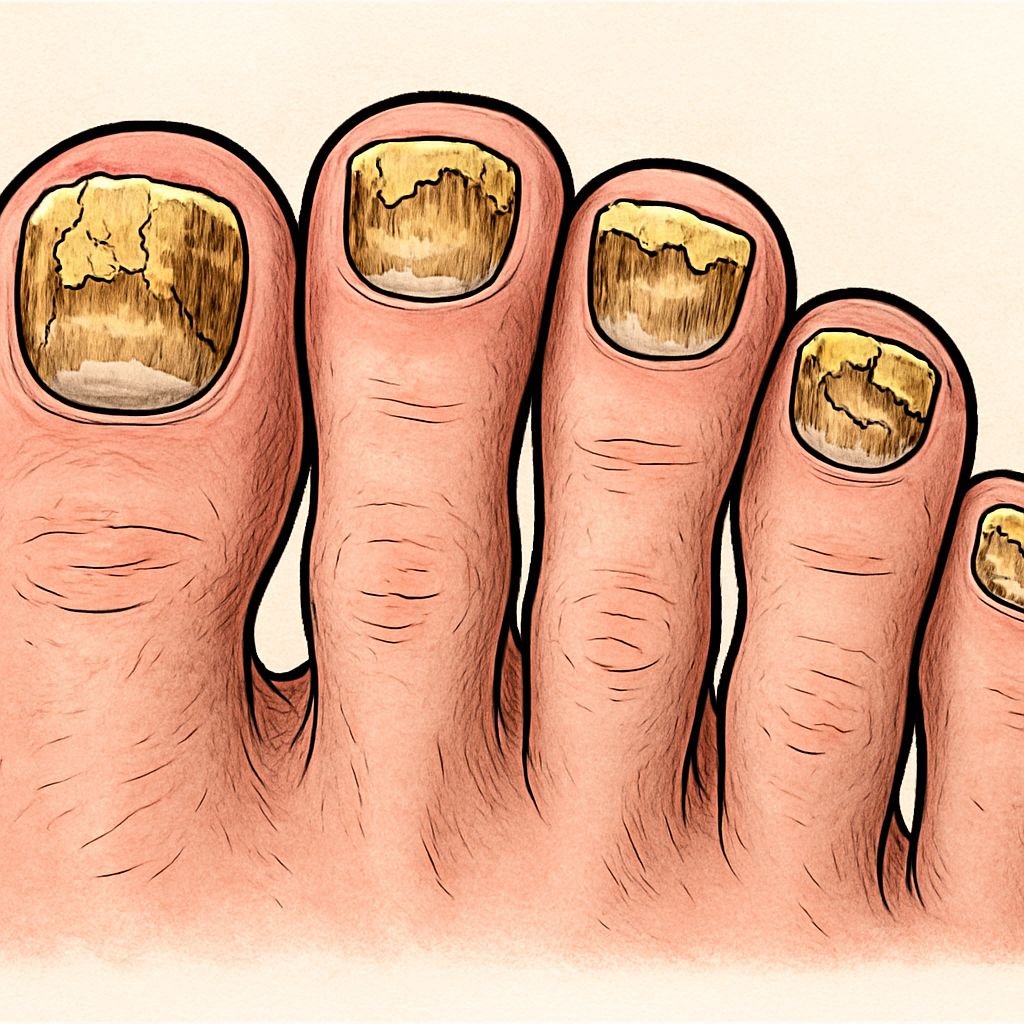
The nail grows slowly—approximately 1mm per month for toenails—which means complete replacement of an infected nail takes 12-18 months. Many patients abandon treatment after seeing initial improvement, not realizing that fungal organisms remain active beneath the newly growing nail. This premature discontinuation is perhaps the single most common reason for treatment failure.
The 40% Recurrence Problem
Studies consistently show that traditional treatments face a troubling 40% recurrence rate. This isn’t just disappointing—it’s expensive and demoralizing for patients who invest months in treatment only to watch the infection return. The recurrence happens because most conventional treatments fail to completely eradicate the fungus from the nail bed and surrounding tissues.
Environmental factors play a crucial role in this recurrence cycle. Fungal spores can survive in shoes, socks, and shower areas for months. Even after successful treatment, re-exposure to these reservoirs often leads to reinfection. This explains why comprehensive treatment must address both the infected nail and the patient’s environment.
- Warm, moist environments inside shoes create ideal fungal breeding grounds
- Fungal organisms can survive in nail debris for up to 15 months
- Reinfection commonly occurs from contaminated footwear even after successful treatment
- Public spaces like gym showers and swimming pools serve as common sources of initial infection
- Inadequate drying between toes after bathing increases vulnerability to fungal invasion
Why Fungi Develop Resistance
Fungi are surprisingly adaptable organisms that can develop resistance to treatments through several mechanisms. Unlike bacteria, which replicate quickly and can develop resistance within days, fungal resistance develops more slowly but with equal persistence. When exposed to sub-therapeutic levels of antifungal agents—which happens frequently with inconsistent treatment—fungi can modify their cell membranes and metabolic pathways to neutralize these medications.
The biofilm factor compounds this challenge significantly. Mature fungal infections create protective biofilms—complex structures of extracellular polymers—that shield the organisms from both medications and the body’s immune responses. These biofilms can reduce treatment effectiveness by up to 80%, explaining why long-established infections prove so difficult to eradicate with conventional approaches.
Clinical Insight: “We now understand that treating the visible nail is only half the battle. The fungal reservoir in the nail bed must be completely eradicated, which often requires combination therapy targeting multiple aspects of fungal metabolism and reproduction.” — Leading Podiatric Research, 2025
Most Effective Over-the-Counter Solutions for Mild to Moderate Cases
For early-stage or mild fungal infections, several over-the-counter options have demonstrated meaningful efficacy when used correctly and consistently. The key differentiator between successful and unsuccessful OTC treatment lies not just in the active ingredient but in the delivery system that helps the antifungal component penetrate the nail plate effectively.
Undecylenic Acid: The FDA-Approved Champion
Undecylenic acid stands as the most effective FDA-approved over-the-counter ingredient for treating toenail fungus. This fatty acid derivative works by disrupting the fungal cell membrane and inhibiting crucial metabolic processes necessary for fungal survival. Clinical studies demonstrate success rates between 40-60% for mild to moderate infections when applied consistently for the recommended duration.
The key advantage of undecylenic acid lies in its molecular structure, which allows better penetration through the nail plate compared to other OTC ingredients. Products containing concentrations of 25% or higher deliver optimal results, particularly when formulated with delivery enhancers like propylene glycol or urea that further improve penetration. For best results, look for solutions rather than creams, as liquid formulations penetrate the nail more effectively.
Tea Tree Oil Formulations with Clinical Support
Tea tree oil has emerged from the realm of folk remedies into evidence-based treatment options for nail fungus. Recent clinical evaluations show that standardized formulations containing at least 5% tea tree oil can effectively inhibit common dermatophytes responsible for nail infections. The terpinen-4-ol component appears to be the active constituent, disrupting fungal cell membranes while demonstrating minimal toxicity to human cells.
What makes modern tea tree oil formulations different from older versions is their standardization and delivery systems. The most effective products combine tea tree oil with penetration enhancers and nail-softening agents that help the active ingredients reach the infection site beneath the nail plate. While not as powerful as prescription options, these formulations provide a scientifically supported natural alternative for mild cases or as adjunctive therapy.
Nail Lacquers with Antifungal Properties
Antifungal nail lacquers represent an innovative approach that combines treatment with cosmetic benefits. These products create a permeable antifungal film on the nail surface that both treats the infection and improves appearance during the lengthy recovery process. The newest generation of these lacquers incorporates amorolfine or ciclopirox in specially designed bases that maintain contact with the nail for extended periods.
The success of these lacquers depends heavily on proper nail preparation. Gentle filing of the nail surface before application significantly improves penetration, creating micro-channels that allow the active ingredients to reach deeper infection sites. Weekly application after thorough cleaning delivers antifungal agents continuously while allowing normal daily activities without the mess of creams or solutions.
Prescription Strength Options for Severe or Chronic Infections
When over-the-counter treatments fail to resolve fungal infections within 3-4 months, prescription options offer significantly higher success rates. These medical-grade treatments target fungal cells with greater specificity and potency, delivering cure rates up to 90% in appropriate cases. The prescription landscape has evolved dramatically with newer generations of both oral and topical medications.
The decision to pursue prescription treatment should be based on infection severity, duration, and patient-specific factors. Individuals with diabetes, circulation disorders, or immune compromise particularly benefit from these more aggressive approaches, as fungal infections pose greater risks in these populations. A proper diagnosis confirming the specific fungal species can help determine the most effective prescription option. For more detailed information, you can refer to this definitive guide on onychomycosis.
Next-Generation Oral Medications with Higher Success Rates
Oral antifungal medications remain the gold standard for treating severe toenail fungus, with success rates between 70-90%. The newest generations of these medications offer improved safety profiles and shorter treatment durations compared to earlier options. Terbinafine stands as the first-line choice for most patients, requiring just 12 weeks of treatment while delivering results lasting 12-24 months in most cases.
The mechanism of action for these medications involves inhibiting ergosterol synthesis, a vital component of fungal cell membranes. By circulating throughout the bloodstream, they reach the nail bed from below, bypassing the difficult penetration challenge faced by topical treatments. This systemic approach eliminates fungal organisms from the nail matrix and bed completely, significantly reducing recurrence rates when treatment protocols are followed fully.
Advanced Topical Solutions: Efinaconazole and Beyond
Prescription topical solutions have advanced significantly, with newer options like efinaconazole 10% solution showing unprecedented efficacy for external treatments. This next-generation azole penetrates the nail plate far more effectively than previous topicals, delivering therapeutic concentrations to the nail bed without systemic side effects. Clinical trials demonstrate complete cure rates around 15-25%—modest compared to oral options but significant for a topical treatment.
What makes these newer topicals revolutionary is their specialized delivery vehicles that enhance nail penetration while maintaining antifungal stability. The solution flows effectively around the nail folds and under the nail plate, reaching infection sites that earlier topicals missed entirely. For patients concerned about potential drug interactions or those with mild to moderate infections, these advanced topicals offer a viable alternative to oral therapy.
When to Consider Surgical Intervention
Surgical approaches become appropriate when fungal infections resist multiple treatment attempts or when the nail has become severely deformed and painful. The most common procedure involves partial or complete nail plate removal, allowing direct application of antifungal agents to the exposed nail bed. This approach eliminates the penetration barrier and dramatically improves treatment success for recalcitrant cases.
Cutting-Edge Technologies Transforming Fungal Treatment
The frontier of toenail fungus treatment now includes several innovative technologies that offer alternatives to traditional medication-based approaches. These technologies target the fungal infection through physical rather than chemical means, potentially circumventing issues of resistance that plague conventional treatments. Many of these options can be combined with traditional medications for enhanced effectiveness.
What makes these technological approaches particularly valuable is their ability to accelerate treatment timelines. While medications must contend with the slow growth rate of nails, these physical modalities can directly attack fungal organisms regardless of nail growth stage. This offers hope for faster visible improvement, which significantly enhances treatment adherence.
Enhanced Laser Therapy Protocols
The latest generation of laser therapy for toenail fungus represents a significant advancement over earlier versions. Using precisely calibrated wavelengths between 1064-1320 nm, these treatments penetrate the nail plate to target fungal cells while leaving human tissue unharmed. The thermal effect denatures fungal proteins and disrupts cell membranes, effectively killing the organisms without medication.
Most patients require 3-4 treatment sessions spaced 4-6 weeks apart for optimal results, with success rates around 60-70% for moderate infections. The procedure is painless, requiring no anesthesia, and each session typically takes just 10-15 minutes. Unlike medication approaches, laser therapy shows results more quickly, with visible nail improvement often beginning within 3 months as clear nail grows from the base.
Photodynamic Therapy: Targeted Light Treatment
Photodynamic therapy (PDT) represents one of the most innovative approaches to toenail fungus treatment. This two-step process begins with application of a photosensitizing agent that preferentially accumulates in fungal cells. When subsequently exposed to specific wavelengths of light, this compound triggers production of reactive oxygen species within the fungal cells, causing rapid cell death while sparing surrounding healthy tissue.
Clinical studies demonstrate that PDT achieves clearance rates of 55-65% after just 3-4 treatments, with minimal side effects beyond temporary sensitivity. The targeted nature of this approach significantly reduces risk of resistance development, as the mechanism attacks multiple cellular targets simultaneously. For patients who haven’t responded to conventional treatments, PDT offers a promising alternative that addresses even resistant strains.
Nanotechnology Delivery Systems
Nanotechnology has revolutionized medication delivery for toenail fungus by creating ultra-small particles that penetrate the nail plate far more effectively than conventional formulations. These nanoparticles—typically measuring 20-40 nanometers—can carry concentrated antifungal compounds through the natural pores and channels in the nail plate, delivering medication directly to the infection site. For a comprehensive understanding of treatment strategies, you might find this strategic treatment roadmap helpful.
The most advanced systems use lipid nanocarriers or polymer nanoparticles that gradually release their antifungal payload over time, maintaining therapeutic concentrations beneath the nail for days after a single application. This sustained-release mechanism dramatically improves treatment efficacy while reducing application frequency to once or twice weekly instead of daily. For patients struggling with treatment adherence, these formulations offer significant advantages without compromising effectiveness.
Combination Therapies for Resistant Cases
The most significant breakthrough in treating stubborn toenail fungus comes not from any single treatment but from strategically combined approaches that attack the infection from multiple angles. These combination protocols typically pair an oral medication with an advanced topical solution and periodic laser sessions, creating a comprehensive assault that fungal organisms cannot survive.
This multi-modal approach addresses the primary reasons for treatment failure: inadequate nail plate penetration, insufficient contact time, and adaptive resistance. By simultaneously targeting different aspects of fungal metabolism and reproduction, combination therapy reduces treatment time by 30-40% while increasing success rates to 85-95% even for previously resistant infections. The synergistic effect often allows lower doses of each component, reducing potential side effects while maximizing benefits.
Daily Treatment Routine That Maximizes Success Rates
The difference between treatment success and failure often comes down to consistency and proper technique rather than the specific product used. Even the most advanced antifungal medication cannot work if applied incorrectly or sporadically. Establishing a consistent daily routine dramatically improves outcomes regardless of which treatment approach you’ve selected.
Proper Application Techniques for Different Medications
For topical treatments to reach maximum effectiveness, proper nail preparation is essential. Begin by trimming the infected nail as short as comfortably possible and gently filing the surface with a disposable emery board to remove the uppermost layer. This thins the nail plate and creates micro-channels that enhance medication penetration. Wash hands thoroughly before and after application to prevent spreading the infection.
Apply liquid formulations using the applicator to saturate the entire nail surface, nail folds, and undersurface of the nail when possible. For creams, use a cotton swab to ensure complete coverage, including the difficult-to-reach areas around nail edges. Allow the medication to dry completely (typically 5-10 minutes) before putting on socks or shoes. For maximum effectiveness, many specialists recommend applying treatment after showering when the nail is most permeable.
Maintaining Treatment Consistency Through 12+ Months
The leading cause of treatment failure is premature discontinuation once visible improvement begins. Remember that the entire infected nail must grow out completely, which takes 12-18 months for most toenails. Setting up environmental cues—such as placing treatment alongside toothbrush or setting phone reminders—can help maintain the necessary consistency through this extended period.
Consider using a visual tracking system that documents your progress with monthly photographs. This tangible evidence of improvement provides powerful motivation to continue treatment even when progress seems slow. Many patients find that calendar marking or treatment journals help maintain the discipline required for successful eradication of the infection.
Tracking Your Progress: What Improvement Looks Like
Understanding the typical timeline for improvement helps maintain realistic expectations and treatment adherence. The first visible sign of success typically appears around 3-4 months, when the proximal nail (nearest the cuticle) begins growing in clear and healthy. The discolored, infected portion will gradually grow outward as the new healthy nail pushes it forward. For a more detailed overview, check out this strategic journey to clear nails.
True success is measured not just by appearance but by structural changes in the nail. Look for decreasing thickness, restoration of normal color, reduced brittleness, and the nail’s ability to grow without breaking or crumbling. Complete resolution typically follows this pattern: proximal clearing (3-4 months), mid-nail improvement (6-9 months), and complete clearance (12-18 months).
Long-Term Recovery and Prevention Strategy
Successful toenail fungus treatment doesn’t end with the disappearance of visible symptoms. Without a comprehensive prevention strategy, recurrence rates remain disturbingly high—between 10-50% depending on risk factors. Implementing long-term protective measures becomes as important as the initial treatment for maintaining healthy nails permanently.
Post-Treatment Nail Care Essentials
Once your infection resolves, maintaining nail health requires ongoing attention to proper hygiene and care. Trim nails straight across and file down sharp edges to prevent trauma that can create entry points for new fungal invasion. Avoid cutting nails too short, as this can lead to ingrown toenails and increased vulnerability to infection.
Consider monthly application of a preventive antifungal solution even after apparent cure. This proactive approach dramatically reduces recurrence rates by eliminating any residual fungal elements before they can reestablish infection. Applying a protective nail hardener containing undecylenic acid or tea tree oil provides additional protection while strengthening the nail plate.
Environmental Controls to Prevent Reinfection
Your environment plays a crucial role in preventing fungal recurrence. Treat all footwear with antifungal sprays or powders regularly, as shoes can harbor fungal spores for months. Consider using ultraviolet shoe sanitizers, which have been shown to eliminate up to 99.9% of fungal organisms within treated footwear in just 15-30 minutes of exposure. For more insights, check out this definitive guide on onychomycosis.
Dietary Adjustments That Support Healthy Nails
Nutrition significantly impacts nail health and resistance to fungal invasion. Ensure adequate protein intake (at least 0.8g/kg body weight daily), as keratin—the structural component of nails—requires sufficient protein for proper formation. Incorporate foods rich in biotin (eggs, nuts, sweet potatoes), zinc (oysters, beef, pumpkin seeds), and omega-3 fatty acids (fatty fish, walnuts, flaxseeds), all of which support nail strength and resistance to infection.
Create Your Personalized Treatment Timeline
Effective toenail fungus treatment requires a personalized approach based on infection severity, nail thickness, and individual health factors. The timeline below provides general guidance, but working with a podiatrist to develop a customized plan significantly improves outcomes. Begin by honestly assessing your infection stage—mild (less than 25% of nail affected), moderate (25-60% affected), or severe (more than 60% affected or multiple nails involved).
Remember that consistency trumps product selection in determining success. The most expensive or newest treatment used sporadically will underperform compared to a basic approach followed diligently. Your personalized timeline should include specific milestones for evaluation, typically at 3, 6, and 12 months, with contingency plans if progress lags behind expectations.
Frequently Asked Questions
Patients commonly express confusion about toenail fungus treatment options, expected outcomes, and necessary precautions. The following questions address the most common concerns and provide evidence-based guidance for navigating the treatment journey. Understanding these fundamentals helps set realistic expectations and improves treatment adherence.
Many misconceptions persist about fungal nail infections, leading to inappropriate self-treatment and unnecessary delays in seeking proper care. Addressing these knowledge gaps empowers patients to make informed decisions and engage actively in their treatment process.
How long does it take to completely cure toenail fungus with the latest treatments?
Complete resolution of toenail fungus requires patience regardless of treatment approach. Even with the most advanced options, expect a minimum of 6-9 months for moderate improvement and 12-18 months for complete cure. This timeline reflects the slow growth rate of toenails (approximately 1mm per month) and the need for the infected portion to grow out completely before being replaced by healthy nail.
The perception of “cure” varies depending on treatment goals. Microbiological cure (elimination of all fungal elements) typically precedes clinical cure (normal nail appearance). Some treatments achieve microbiological cure within 3-4 months while visible improvement continues over the longer term as the nail grows out. Managing these expectations helps prevent premature treatment discontinuation. For a comprehensive understanding, refer to this strategic treatment roadmap.
Are natural remedies effective against severe fungal nail infections?
Natural remedies show limited effectiveness against established fungal nail infections, particularly for severe cases affecting more than 50% of the nail. While tea tree oil, oregano oil, and undecylenic acid demonstrate antifungal properties in laboratory studies, their real-world effectiveness is hampered by limited nail penetration and insufficient potency against entrenched infections. These options work best for very mild, early-stage infections or as preventive measures after successful medical treatment. For more information on severe nail fungus cures, you can explore this guide to severe nail fungus cures.
What makes the 2026 treatments different from older fungal therapies?
The fundamental advancement in 2026 treatments centers on improved delivery systems rather than entirely new antifungal compounds. Modern formulations utilize nanotechnology, penetration enhancers, and targeted delivery mechanisms that dramatically improve medication transport through the nail plate—historically the greatest barrier to treatment success. This enhanced delivery means that even familiar medications now achieve significantly higher cure rates. For more insights, explore our strategic treatment roadmap for nail fungus.
Another key difference lies in the shift toward combination approaches rather than monotherapy. Contemporary treatment protocols strategically pair complementary treatments—such as oral medications with targeted topicals or physical modalities like laser therapy with chemical antifungals—to attack the infection from multiple angles simultaneously. This multi-modal approach significantly reduces treatment resistance and accelerates clearance.
Perhaps most importantly, modern treatments benefit from improved diagnostic specificity. Advanced PCR testing now identifies the exact fungal species causing the infection within 48 hours, allowing for precisely targeted treatment selection rather than the one-size-fits-all approach of previous decades. This personalized medicine approach increases first-line treatment success from approximately 60% to over 85% in most cases. For more detailed information, consider reading our guide on clinical efficacy and management of onychomycosis treatments.
- Enhanced nail penetration through specialized delivery vehicles
- Multi-modal combination approaches attacking multiple fungal vulnerabilities
- Species-specific treatment selection based on advanced diagnostics
- Reduced treatment duration through higher medication concentrations at infection site
- Improved safety profiles with lower systemic absorption
Can I exercise or swim while undergoing toenail fungus treatment?
Exercise and swimming remain possible during fungal treatment, but require specific precautions to prevent both treatment interference and spread of infection. For topical treatments, allow the medication to dry completely (typically 20-30 minutes) before putting on socks or exercise shoes. For swimming, consider applying a waterproof bandage or specialized swimming socks that create a protective barrier between treated nails and pool water.
- Always wear clean, moisture-wicking socks during exercise
- Use shower shoes in gym locker rooms and public pool areas
- Thoroughly dry feet after swimming or showering before reapplying treatment
- Consider temporarily switching from hot yoga or similar high-humidity activities to drier exercise options
- Disinfect exercise shoes weekly with UV sanitizers or antifungal sprays
The most important consideration involves timing of activities in relation to treatment application. For maximum effectiveness, apply treatments after bathing or swimming rather than before. This ensures the medication contacts a clean nail surface and isn’t washed away or diluted by water exposure. For oral medications, no special exercise precautions are necessary beyond normal foot hygiene practices.
Regular physical activity actually supports treatment success by promoting healthy circulation to the extremities, which helps deliver both oral medications and immune cells to the infected area. The psychological benefits of maintaining normal activities during the lengthy treatment process should not be underestimated, as they support the consistency needed for successful outcomes.
One cautionary note applies specifically to public swimming areas: while chlorine kills many microorganisms, fungal spores demonstrate remarkable resistance to standard pool chemical levels. Using protective footwear in shower areas and pool decks remains essential to prevent both spreading your infection to others and acquiring additional fungal strains that could complicate treatment.
How do I know if my infection requires prescription treatment versus OTC options?
Several key indicators suggest the need for prescription-strength intervention rather than over-the-counter options. If the infection involves more than 50% of the nail surface, extends to multiple nails, or has persisted despite 3-4 months of consistent OTC treatment, prescription approaches will likely be necessary. Additionally, patients with diabetes, peripheral vascular disease, or immune compromise should generally begin with prescription options due to higher complication risks.
The thickness of the affected nail provides another important clue—nails that have become significantly thickened (over 2mm) or distorted typically indicate deep-seated infection that OTC treatments cannot adequately penetrate. Pain, separation of the nail from the nail bed, or surrounding skin infection (paronychia) also signal the need for medical intervention rather than continued self-treatment.
At Certified Foot and Ankle Specialists, we provide comprehensive fungal nail assessment that includes laboratory confirmation of the specific pathogen and measurement of infection extent. This diagnostic precision allows us to recommend the most appropriate treatment path—whether advanced over-the-counter options or prescription interventions—based on objective findings rather than guesswork. For a personalized treatment plan tailored to your specific condition, schedule your comprehensive foot health evaluation today.