 Nail Fungus Cures Instant Cures for Painful Nails and Fungus
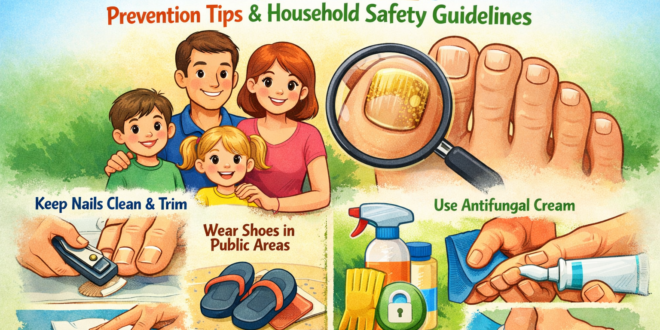

Key Takeaways for Family Nail Fungus Prevention Tips & Household Safety Guidelines
- Nail fungus spreads easily through shared household items, with warm, moist environments accelerating transmission between family members
- Implementing proper foot hygiene practices can prevent up to 80% of nail fungus cases before they start
- Never sharing personal items like nail clippers, towels, and footwear is crucial for preventing fungal infections at home
- Creating designated fungus-free zones in high-risk areas like bathrooms and showers significantly reduces infection risk
- Early detection through regular nail inspections can prevent minor infections from developing into difficult-to-treat cases
Nail Fungus: A Silent Threat to Your Family’s Health
Nail fungus may start with a small white or yellow spot under a fingernail or toenail, but it can quickly become a family-wide health concern. This common infection, medically known as onychomycosis, affects millions of households yearly and can silently spread from person to person before symptoms become obvious. Preventing nail fungus requires understanding not just the condition itself, but how easily it travels throughout your home environment. When left unchecked, what begins as a minor cosmetic issue for one family member can develop into a persistent problem affecting everyone under your roof.
The key to keeping your family fungus-free lies in implementing proactive prevention strategies that interrupt the infection cycle before it begins. With the right approach to household hygiene and personal care, you can create an environment where fungal organisms struggle to survive and spread. Smart Home Wellness experts recommend focusing on both individual habits and shared spaces to maximize protection for everyone in your household.
Why Nail Fungus Spreads So Easily in Households
Nail fungus thrives in the intimate sharing environment that homes naturally provide. The fungal organisms responsible for nail infections—primarily dermatophytes—are remarkably resilient and opportunistic. They spread through direct skin-to-skin contact and indirect contact with contaminated surfaces or objects. Your home’s shared spaces, particularly bathrooms, showers, and bedroom floors, become perfect transmission zones where fungal spores can survive for days or even weeks. This persistence explains why treating one family member without addressing the home environment often leads to reinfection or spread to others.
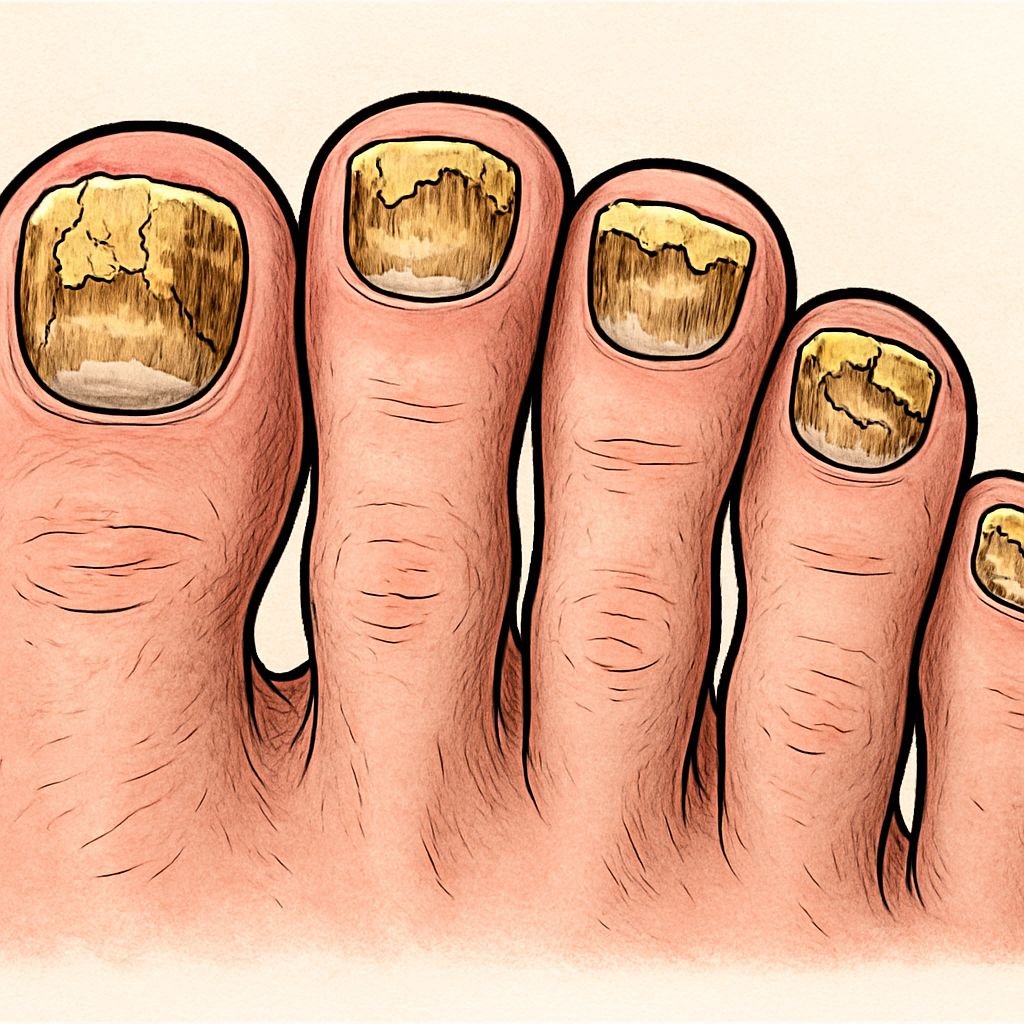
Common Surfaces Where Fungus Thrives
The most dangerous areas for fungal transmission in your home aren’t always obvious. Bathroom floors and shower stalls top the list as their warm, damp conditions create ideal growing environments. However, less suspected areas like bedroom carpets, shared rugs, and even sofa cushions can harbor fungal spores. Household textiles that trap moisture—including towels, washcloths, and bath mats—serve as primary vehicles for transmission between family members. Even seemingly innocent items like shared slippers or shoes left in common areas can become fungal reservoirs that repeatedly expose household members to infection.
How Long Fungus Survives on Household Items
Fungal organisms display remarkable persistence on household surfaces. Studies show that dermatophytes can survive on hard surfaces like bathroom tiles or tub edges for 24-48 hours in ideal conditions. On porous materials like carpets, rugs, and towels, they may remain viable for up to several weeks. This extended survival period means that a single infected family member can unknowingly contaminate multiple household areas over time. Temperature and humidity significantly impact survival rates, with warm, humid environments extending the viability period of fungal spores substantially. This explains why fungal infections often appear more prevalent during summer months or in homes with poor ventilation.
Why Children and Elderly Family Members Face Higher Risk
Within your household, not everyone shares equal risk for developing nail fungus. Children and elderly family members represent particularly vulnerable populations. For children, developing immune systems, frequent barefoot play, and less rigorous hygiene habits combine to increase susceptibility. Their natural curiosity and tendency to share personal items further elevates transmission risk. Seniors face different challenges, including naturally thinner nail beds, reduced circulation to extremities, and often compromised immune function. Many older adults also experience reduced flexibility that makes proper foot care more difficult, creating the perfect conditions for fungal infections to take hold and spread within multi-generational homes.
10 Essential Prevention Tips for Every Family Member
Creating a fungus-resistant household requires consistent practices from everyone. The most effective prevention strategy combines personal hygiene habits with environmental controls that minimize exposure and transmission opportunities. These ten essential prevention techniques form the foundation of your family’s protection plan against nail fungus. When implemented consistently, these practices dramatically reduce the likelihood of infection even in households where someone has previously experienced fungal issues. The key lies in making these behaviors automatic routines rather than occasional precautions.
1. Proper Hand and Foot Washing Techniques
Thorough washing forms your first line of defense against nail fungus transmission. The technique matters significantly more than most people realize. Wash hands and feet daily with soap and water, paying special attention to the spaces between fingers and toes where moisture collects. After washing, dry completely, focusing particularly on those same inter-digit spaces where fungus loves to grow. For maximum protection, consider using a dedicated towel just for foot drying to prevent cross-contamination with other body areas. Teaching children proper washing techniques early creates lifelong habits that significantly reduce their infection risk throughout life.
2. Keep Nails Short and Clean
Maintaining properly trimmed nails eliminates hiding places where fungus can flourish. Cut nails straight across and avoid rounding the corners, which can create entry points for infection through ingrown nails. Never trim cuticles completely, as they serve as natural barriers against infection. After trimming, file nails to smooth any rough edges that might trap moisture or debris. For toenails specifically, trim them after showering when they’re softer, making the process easier and reducing the chance of creating jagged edges that can harbor fungal organisms.
3. Wear Breathable Footwear
The shoes you choose significantly impact your family’s nail fungus risk. Select footwear made from breathable materials like canvas, mesh, or natural leather that allow air circulation and moisture evaporation. Synthetic materials that trap heat and sweat create perfect fungal breeding grounds, especially in closed-toe styles. For children who often wear the same favorite shoes daily, consider purchasing multiple pairs to allow proper drying between wears. Whenever possible, encourage family members to wear open-toe footwear at home to maximize air exposure and minimize moisture accumulation around toenails and between toes.
4. Use Moisture-Wicking Socks
The right socks provide crucial protection against nail fungus development. Invest in moisture-wicking synthetic blends or natural fibers like merino wool that draw perspiration away from the skin. Cotton socks, while comfortable, retain moisture and should be avoided for all-day wear, especially during physical activities. Change socks daily—or more frequently during intense activities that cause significant sweating. For family members with particularly sweaty feet, consider specially designed socks with antimicrobial properties that actively inhibit fungal growth while managing moisture levels effectively. For more insights, check out this strategic treatment roadmap for nail fungus.
5. Never Share Personal Items
Maintaining strict boundaries around personal care items creates a fundamental barrier against fungal transmission. Each family member should have their own dedicated nail clippers, files, towels, and footwear to prevent cross-contamination. Label these items clearly, using colored handles or tags for younger children who might not remember which items are theirs. Store personal care tools separately rather than in shared containers where they might touch. This separation principle extends to seemingly innocuous items like socks, which should never be shared between family members regardless of convenience.
Creating Fungus-Free Zones in High-Risk Areas
Strategic management of household environments dramatically reduces nail fungus transmission risk. By identifying and addressing high-risk zones within your home, you create protective barriers that interrupt the infection cycle. These targeted interventions focus on areas where bare feet commonly contact shared surfaces, preventing fungal organisms from finding new hosts. Implementing these practices requires initial effort but quickly becomes routine, offering ongoing protection for everyone in your household.
Bathroom Safety Protocol
Bathrooms represent ground zero for fungal transmission due to their warm, moist conditions and frequent barefoot traffic. Install proper ventilation systems that reduce humidity levels after bathing, and consider using a dehumidifier in bathrooms without windows or adequate air circulation. Clean shower floors weekly with antifungal cleaners containing tea tree oil or vinegar to neutralize fungal spores. Place washable bath mats outside tubs and showers for each family member to step onto, washing these mats weekly in hot water. Finally, establish a family rule requiring shower shoes in shared bathrooms, even for young children who might resist this practice initially.
Keeping Shared Floors and Carpets Fungus-Free
Beyond bathrooms, other floor surfaces throughout your home require attention to prevent fungal spread. Vacuum carpets and rugs twice weekly using a machine with HEPA filtration to remove fungal spores that might have been tracked in. For hard surfaces like tile, laminate, or hardwood, mop weekly using vinegar solutions that naturally inhibit fungal growth without harsh chemicals. Pay special attention to areas around entrances where outside shoes might track in contaminants. In bedrooms, consider placing washable rugs beside beds where feet first touch the floor in the morning, laundering these regularly to prevent fungal accumulation. For more information on fungal prevention and treatment solutions, explore available resources.
For families with young children who frequently play on floors, create designated “clean zones” where shoes are strictly prohibited and surfaces are disinfected more frequently. These areas provide safe spaces for barefoot activities while minimizing exposure risk. Consider using ultraviolet sanitizing wands for spot treatment of high-traffic areas between full cleanings, as UV light effectively kills fungal spores without chemicals.
Pet owners face additional challenges, as animals can track fungal organisms throughout the home. Wipe pet paws after outdoor activities, especially during wet weather, and regularly clean pet bedding areas that family members might contact. This comprehensive approach to floor maintenance creates multiple layers of protection against fungal transmission between household members.
For maximum protection in multi-story homes, consider implementing zone-specific footwear rules that prevent cross-contamination between different areas of your house. This might include separate slippers for upstairs and downstairs use, or designating certain areas as “clean zones” where outdoor footwear is never permitted.
- Clean bathroom floors weekly with vinegar solution (one cup white vinegar to one gallon water)
- Vacuum carpets twice weekly with HEPA filter vacuum cleaners
- Install bathroom ventilation fans and run for 30 minutes after showering
- Place washable mats at strategic transition points throughout your home
- Consider UV sanitizing devices for spot treatment between deep cleanings
Natural Remedies That Actually Work Against Nail Fungus
- Tea Tree Oil (5% solution): Apply directly to affected nails twice daily
- Apple Cider Vinegar: Soak feet in 1:2 vinegar-water solution for 15-20 minutes daily
- Garlic Extract: Apply crushed garlic paste or oil to affected area for 30 minutes
- Coconut Oil: Apply organic, virgin coconut oil after bathing to form a protective barrier
- Baking Soda: Create paste with water and apply to neutralize fungal growth environment
While prescription treatments offer powerful solutions for active infections, natural remedies provide excellent preventive protection and early intervention options. These plant-based solutions work by creating environments hostile to fungal growth while supporting your body’s natural defenses. Many natural remedies offer dual benefits of preventing new infections while helping to manage existing mild cases before they become severe.
The effectiveness of natural remedies stems from their ability to alter the microenvironment around nails, making conditions less favorable for fungal organisms to establish colonies. These solutions work best as part of a comprehensive prevention strategy rather than as standalone treatments for advanced infections. When used consistently, they create ongoing protection that reduces vulnerability to fungal invasion.
For maximum benefit, incorporate these natural remedies into your family’s regular hygiene routine rather than using them sporadically. The cumulative protective effect builds over time, creating increasingly resistant nail environments that naturally repel fungal organisms before they can establish problematic colonies. This preventive approach proves far more effective than attempting to treat established infections after symptoms become visible.
Tea Tree Oil Application Method
Tea tree oil stands out as perhaps the most scientifically validated natural antifungal agent available for home use. For preventive applications, dilute pure tea tree oil to a 5% concentration by mixing with a carrier oil like coconut or olive oil, then apply to nails using a cotton swab after showering. The application should cover the entire nail surface, surrounding skin, and under the free edge where accessible. For enhanced effectiveness, allow the oil to absorb completely before putting on socks or shoes, ideally applying before bedtime to maximize contact duration. Consistent daily application creates a protective barrier with cumulative antifungal effects that significantly reduce infection vulnerability.
Apple Cider Vinegar Soaks
Apple cider vinegar creates an acidic environment hostile to fungal growth while maintaining harmony with your skin’s natural protective barriers. Prepare a foot bath using one part vinegar to two parts warm water and soak feet for 15-20 minutes daily as a preventive measure. The acetic acid in vinegar alters the pH balance around nails, making it difficult for fungal organisms to establish colonies while simultaneously softening keratin deposits that might otherwise trap moisture and fungal spores. For enhanced effectiveness, dry feet thoroughly after soaking and follow with an antifungal powder between toes to maintain the protective effect throughout the day.
Garlic Extract Treatment
Garlic contains powerful compounds like allicin that exhibit strong antifungal properties comparable to some commercial treatments. Create a simple garlic treatment by crushing several fresh garlic cloves into a paste, applying directly to at-risk nails, and covering with a bandage for 30 minutes before rinsing. For a less intense option, commercial garlic oil can be applied to nails and surrounding skin using a cotton swab. The sulfur compounds in garlic penetrate nail tissue effectively, creating an environment where fungal organisms struggle to survive. For preventive purposes, weekly applications provide sufficient protection for most family members.
Family Footwear Rules for Prevention
Establishing clear family footwear guidelines creates a powerful defense against nail fungus transmission. The shoes your family members wear—and how they wear them—directly impact infection risk. Institute a strict “no barefoot” policy in shared spaces, especially bathrooms, pool areas, and gyms where fungal organisms thrive. Create designated clean zones in your home where outdoor shoes are never permitted, reducing the chance of tracking in contaminants. For children who resist these rules, make the process enjoyable by allowing them to select special indoor footwear they find appealing.
When to Wear Shower Shoes at Home
Even within your own home, shower shoes provide crucial protection in high-risk areas. Every family member should use dedicated shower shoes when using shared showers or bathtubs, regardless of whether anyone currently has an active infection. Choose shower shoes with drainage holes that prevent water accumulation and allow for quick drying between uses. Store each person’s shower shoes in well-ventilated areas rather than in damp bathrooms where they might remain wet. For young children, select colorful, fun designs that make wearing shower shoes an enjoyable rather than burdensome experience.
Proper Shoe Rotation and Drying
Wearing the same shoes day after day creates ideal conditions for fungal growth. Establish a rotation system where shoes rest at least 24 hours between wears, allowing them to dry completely. This simple practice significantly reduces moisture levels that support fungal proliferation. For athletic shoes that become particularly damp, remove insoles after use and place shoes in well-ventilated areas overnight. Consider using moisture-absorbing products like silica gel packets or cedar shoe trees to accelerate the drying process. For children’s shoes, which often get wetter through active play, implement a similar rotation system with at least two pairs of regularly worn shoes.
Disinfecting Shoes Without Damaging Them
Regular disinfection of footwear provides another layer of protection against nail fungus. For washable canvas shoes, launder in hot water with regular detergent and allow to completely air dry before wearing again. For non-washable footwear, use UV shoe sanitizers that kill fungal spores without damaging materials, or spray interiors with a vinegar solution (equal parts white vinegar and water) and allow to dry completely. Antifungal powders specifically formulated for shoes offer another effective option, particularly for athletic footwear where moisture accumulation tends to be higher. Apply these treatments at least weekly for preventive purposes, and daily if anyone in the household has an active infection.
What to Do When a Family Member Already Has Nail Fungus
Despite best preventive efforts, nail fungus may occasionally affect someone in your household. When this happens, swift action can prevent transmission to others while supporting the infected person’s recovery. Immediate containment becomes your priority, followed by appropriate treatment and enhanced household precautions. With the right approach, you can effectively isolate the infection while maintaining family normalcy. Remember that containment doesn’t mean isolation or stigmatization of the affected family member, but rather implementing smart practices that protect everyone.
Immediate Containment Steps
Upon discovering a nail fungus infection, implement a comprehensive containment strategy immediately. The infected person should use antifungal powder on feet daily and wear clean socks at all times, even when sleeping. Separate their towels, bedding, and personal care items completely from family supplies, using a color-coding system to prevent accidental sharing. Clean and disinfect shower areas immediately after the infected person uses them, using a solution of one part bleach to ten parts water for hard surfaces. For carpeted areas, consider temporary coverage with washable rugs in places where the infected person regularly walks barefoot, laundering these items frequently in hot water.
Separate Supplies and Cleaning Tools
Creating completely separate supply chains for the infected person prevents cross-contamination. Provide dedicated nail care tools, towels, bath mats, and footwear that never mix with family supplies. Store these items separately in sealed containers labeled clearly to prevent accidental use by others. Designate specific cleaning tools—including mops, brushes, and cloths—for sanitizing areas the infected person uses, storing these separately as well. This separation should extend to laundry practices, washing the infected person’s socks, towels, and bedding in hot water (at least 140°F) with antifungal additives like pine oil or phenolic disinfectants for enhanced protection.
Treatment Options for the Infected Person
Effective treatment combines medical intervention with supportive home care. For mild cases caught early, topical over-the-counter antifungal treatments containing ingredients like terbinafine, clotrimazole, or undecylenic acid may resolve the infection when used consistently for the full recommended duration—often several months. More established infections typically require prescription-strength medications, which might include oral antifungal drugs that work from within to eliminate the infection. Throughout treatment, the affected person should maintain meticulous hygiene practices, including twice-daily foot washing followed by thorough drying, regular application of antifungal powders between toes, and consistent use of breathable footwear and moisture-wicking socks.
Creating a Family Nail Health Routine
Proactive nail health maintenance provides the strongest defense against fungal infections. Establishing regular family routines makes preventive care automatic rather than requiring constant reminders. A well-designed nail health routine incorporates inspection, cleaning, and preventive treatments into your family’s regular schedule. These practices not only prevent fungal infections but also support overall nail health and early detection of other potential issues.
The most effective routines become habitual rather than burdensome, fitting naturally into existing family activities. Consider linking nail care to other established routines—like weekly movie nights or Sunday evening preparation for the week ahead—to increase compliance. For younger children, create engaging activities that make nail care enjoyable rather than a chore, perhaps using special colored towels or creating a reward system for consistent participation.
Weekly Inspection Guidelines
Regular visual checks catch potential problems before they become serious infections. Set aside time weekly for each family member to inspect their nails thoroughly in good lighting, looking for early warning signs like unusual discoloration, thickening, brittleness, or separation from the nail bed. For young children and elderly family members who might struggle with self-examination, assign a household adult to help with their inspection process. Create a simple checklist for consistency: examine all ten fingernails and toenails, check the surrounding skin for redness or flaking, and note any changes since the previous inspection. Document concerns with dated photos to track potential changes over time, particularly useful for subtle developments that might otherwise go unnoticed. For more information on the causes of nail discoloration, you can explore additional resources.
Preventive Natural Treatments
Incorporate regular preventive treatments into your family’s routine to create environments hostile to fungal growth. Weekly tea tree oil applications provide excellent baseline protection—simply add 5-10 drops to a tablespoon of coconut oil and apply to clean, dry nails. Monthly vinegar soaks (one part vinegar to two parts warm water for 15-20 minutes) help maintain the slightly acidic environment that naturally deters fungal development. After swimming or heavy sweating, apply antimicrobial essential oil blends containing ingredients like lavender, thyme, or oregano diluted appropriately in carrier oils. For children, simplify these treatments with commercially available kid-friendly formulations containing the same active ingredients in more appealing presentations.
Supplement these topical applications with internal support that strengthens resistance to fungal invasion. A diet rich in probiotics, zinc, and vitamin D supports your body’s natural defenses against fungal organisms. Yogurt with active cultures, fermented foods like kimchi or sauerkraut, pumpkin seeds, and regular moderate sun exposure all contribute to this internal protection system. When these dietary measures are combined with topical preventive treatments, they create a comprehensive defense strategy that significantly reduces fungal infection vulnerability.
When to Seek Professional Help
While home prevention measures effectively reduce infection risk, recognizing when to consult healthcare professionals remains crucial. Seek medical evaluation if you notice persistent nail discoloration, thickening, brittleness, or separation from the nail bed that doesn’t resolve with basic care. Healthcare providers should also evaluate any nail changes accompanied by pain, spreading redness, warmth, or swelling, as these may indicate more serious conditions requiring prompt treatment. Individuals with diabetes, circulation problems, or compromised immune systems should maintain regular podiatric care regardless of symptoms, as their increased vulnerability makes professional monitoring essential. Remember that early intervention dramatically improves treatment outcomes and reduces transmission risk to other family members.
Your Family Protection Plan Starts Today
Implementing effective nail fungus prevention doesn’t require expensive products or complicated protocols—just consistent attention to the fundamentals of good hygiene and environmental management. By establishing clear family guidelines around footwear, personal item use, and regular inspection routines, you create multiple layers of protection against fungal invasion. The small daily habits you adopt today create cumulative protection that safeguards your family’s nail health for years to come. Naturehike offers comprehensive guides on preventing common household infections using simple, natural approaches that protect your entire family.
Frequently Asked Questions
Understanding the common concerns about nail fungus helps families implement more effective prevention strategies. These questions address the situations most households encounter when working to prevent fungal infections. The answers provide practical guidance based on current understanding of how fungal organisms spread and thrive in home environments. By addressing these common scenarios, families can identify and address potential transmission risks that might otherwise go unrecognized.
Can nail fungus spread through bedding and shared linens?
Yes, nail fungus can definitely spread through shared bedding and linens. Fungal spores shed from infected nails can survive on fabric surfaces for several days, especially in humid conditions. To minimize transmission risk, wash sheets, blankets, and comforters weekly in hot water (at least 140°F) with regular detergent. Add a cup of white vinegar to the rinse cycle for additional antifungal properties without harsh chemicals. If someone in your household has an active infection, consider providing them with dedicated bedding that doesn’t mix with family laundry, and wash these items separately until the infection resolves completely. Plastic mattress covers can provide additional protection by creating a barrier that prevents fungal organisms from penetrating deeper into bedding materials.
How can I tell the difference between nail fungus and other nail conditions?
Distinguishing nail fungus from other conditions requires attention to specific characteristics. Fungal infections typically begin with white or yellow spots under the nail tip, eventually causing thickening, discoloration (yellow, brown, white, or even green), brittleness, and distorted shape. The nail may separate from the bed and emit a slightly foul odor. By contrast, psoriasis often causes pitting and “oil spots” (reddish-yellow discolorations) on nails, while bacterial infections typically produce more acute symptoms including pain, warmth, and redness around the nail fold. Traumatic injuries cause immediate changes related to the injury event rather than gradual onset. When uncertain about nail changes, consult a healthcare provider for accurate diagnosis, as treatments differ significantly depending on the underlying cause.
Are children more or less likely to get nail fungus than adults?
Children generally develop nail fungus less frequently than adults, primarily because their faster nail growth rate helps eliminate invading organisms more quickly. However, certain childhood behaviors increase transmission risk, including going barefoot in public areas, sharing personal items, and less rigorous hygiene practices. Children participating in sports, swimming, or dance activities face higher exposure risk due to communal changing areas and equipment sharing. Parents should teach age-appropriate prevention strategies, including proper foot washing, thorough drying, and wearing appropriate footwear in public spaces. For younger children who can’t manage these practices independently, direct adult supervision and assistance with foot care after high-risk activities provides essential protection.
Can pets transmit nail fungus to humans?
While pets rarely develop the same nail fungus that affects humans, they can serve as mechanical vectors that transport fungal spores throughout your home. Animals that go outdoors may walk through environments containing fungal organisms, then track these into your home on their paws. This creates potential exposure for family members, especially in households where pets share sleeping spaces with humans. To minimize this risk, wipe pet paws thoroughly after outdoor activities, particularly in warm, damp conditions favorable to fungal growth. Regular pet grooming, including nail trimming and paw care, further reduces the likelihood of animals serving as transmission vectors. For households with immunocompromised members, maintaining more stringent boundaries around pet access to sleeping areas provides additional protection.
How long after exposure does nail fungus typically develop?
Nail fungus has a highly variable incubation period, typically ranging from a few weeks to several months between exposure and noticeable symptoms. This extended timeline makes identifying the specific exposure source challenging for most infections. The development speed depends on several factors, including the individual’s immune function, the specific fungal strain involved, and the nail’s health at exposure time. People with compromised immunity, diabetes, or circulation problems typically develop symptoms more quickly after exposure than those with robust immune systems. Similarly, already damaged nails (from injury, tight footwear, or repetitive pressure) develop fungal infections more rapidly after exposure than healthy nails with intact protective barriers. This variable timeline highlights why consistent preventive measures prove more effective than trying to avoid specific exposure events.
- Implement a “shoes-on” policy in shared household areas
- Disinfect shower and bath areas weekly with vinegar solution
- Never share nail clippers, files, or other personal grooming tools
- Keep nails short, clean, and dry through regular maintenance
- Rotate footwear to ensure complete drying between wears
- Use breathable, moisture-wicking socks made of merino wool or synthetic blends
- Apply antifungal powder to feet and shoes regularly as preventive measure
Regular foot inspections serve as your early warning system against developing infections. Catching potential problems in their earliest stages dramatically simplifies treatment and prevents spread to other family members. Even children can learn to recognize basic signs of potential fungal activity through age-appropriate education about healthy versus unhealthy nail appearance.
For households with members at higher risk—including diabetics, older adults, or those with compromised immunity—consider creating dedicated nail care kits with specialized tools designed for safer maintenance. These might include broader-handled clippers for easier grip, magnifying tools for better visualization, and specially designed files that reduce the risk of accidental skin damage during routine care. For more information on maintaining healthy nails, check out The Strategic Journey to Clear Nails.
Remember that consistency matters more than perfection in nail fungus prevention. Even implementing just three or four key practices significantly reduces your family’s infection risk. Start with the measures that fit most naturally into your current household routines, then gradually expand your prevention strategy as these initial practices become habitual.
Maintaining proper foot hygiene is crucial in preventing nail fungus infections. Regularly washing and thoroughly drying your feet, especially after exposure to damp environments, can significantly reduce the risk. Additionally, wearing breathable footwear and changing socks daily can help keep your feet dry and less susceptible to fungal growth. If you suspect an infection, it’s important to seek appropriate treatment options. For more detailed information on effective treatments, consider exploring a strategic treatment roadmap for nail fungus.