Nail Fungus Cures Instant Cures for Painful Nails and Fungus
Related Articles




Key Takeaways
- Medicare in Australia provides limited coverage for fungal infection treatments, primarily covering GP consultations and some PBS-listed oral antifungal medications.
- Podiatry services for fungal nail treatments are only covered through Medicare if you have a GP-managed Chronic Disease Management Plan, with a maximum of 5 subsidized allied health visits per year.
- Laser treatments for fungal nail infections are not covered by Medicare but may be partially covered by private health insurance with appropriate extras cover.
- PBS-listed antifungal medications like terbinafine and itraconazole can significantly reduce out-of-pocket costs compared to paying full price.
- Understanding the combination of Medicare benefits, PBS subsidies, and private health insurance options is crucial for managing the costs of fungal infection treatments in Australia.
Dealing with fungal infections in Australia often leads to questions about what Medicare will and won’t cover. Whether you’re battling toenail fungus, athlete’s foot, or other fungal conditions, navigating the healthcare system can be confusing. This guide breaks down exactly what Medicare covers for fungal treatments, helping you maximize your benefits while minimizing out-of-pocket expenses.
Medicare coverage for fungal infections follows specific guidelines that many Australians aren’t fully aware of. The coverage varies significantly depending on the type of treatment, whether it’s prescription medication, specialist consultations, or procedures. Understanding these distinctions can save you hundreds of dollars and prevent unexpected healthcare costs.
Walk Without Pain Podiatry Clinics in Brisbane offers specialized treatments for fungal nail infections and can guide you through your coverage options. Their experienced podiatrists can help determine the most cost-effective treatment path while considering your Medicare benefits.
The Truth About Medicare Fungus Treatment Coverage in Australia
Medicare in Australia doesn’t offer blanket coverage for all fungal treatments. The Medicare Benefits Schedule (MBS) provides rebates for specific services related to fungal infection diagnosis and treatment, but there are significant gaps you should be aware of. Generally, Medicare covers consultations with general practitioners and specialists, some pathology tests to diagnose fungal infections, and subsidizes certain prescription medications through the Pharmaceutical Benefits Scheme (PBS).
What many Australians don’t realize is that Medicare typically doesn’t cover treatments considered “cosmetic” or those provided by allied health professionals like podiatrists—unless you have a specific referral under a Chronic Disease Management Plan. This creates a significant gap in coverage for common fungal treatments like laser therapy for nail fungus, which is considered one of the most effective modern treatments.
Medicare Coverage at a Glance: Medicare covers GP visits and some specialist consultations for fungal infections. It also subsidizes certain antifungal medications through the PBS. However, it generally doesn’t cover podiatry services, laser treatments, or over-the-counter medications without specific circumstances or referrals.
Medicare Coverage for Fungal Nail Infections
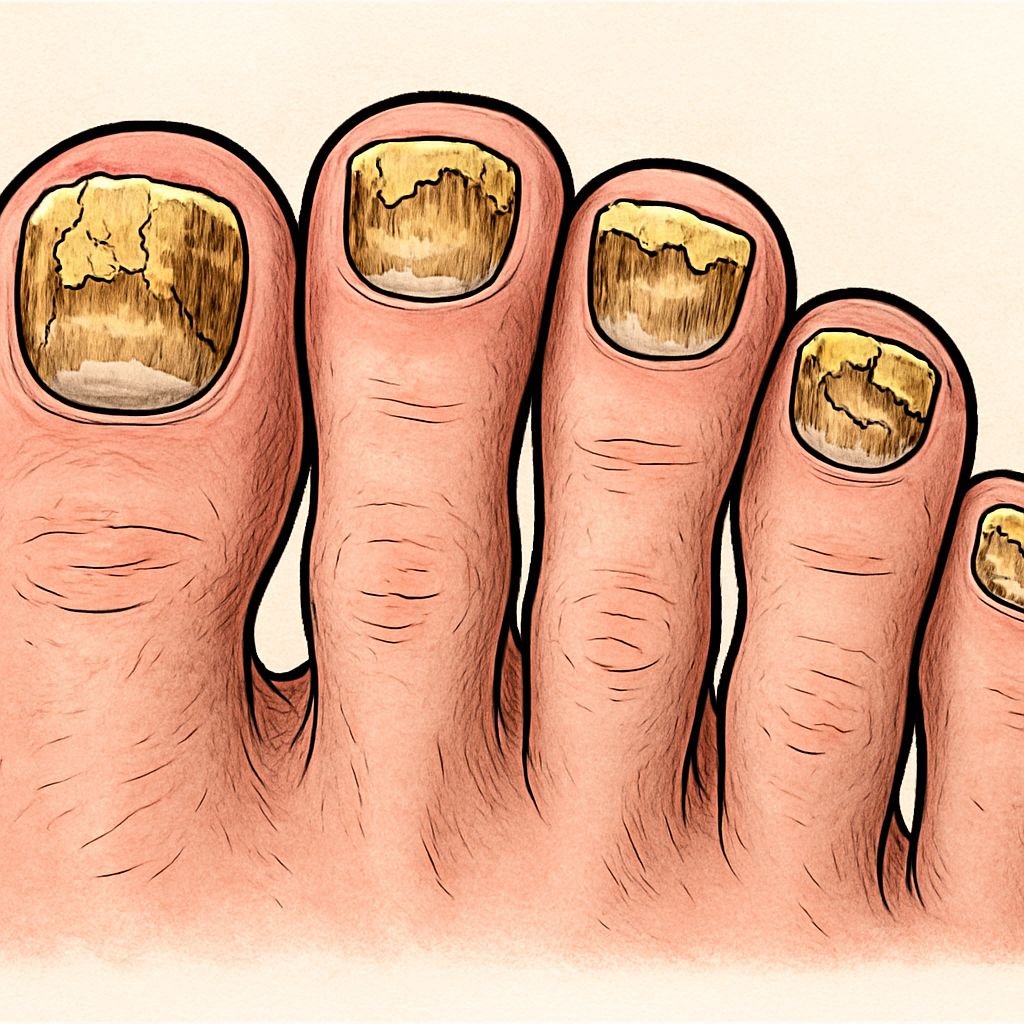
When it comes to fungal nail infections specifically, Medicare’s coverage is quite limited but still valuable if you know how to access it. The condition, known medically as onychomycosis, affects approximately 10% of Australians and can be particularly stubborn to treat. Medicare will cover your visits to a general practitioner for diagnosis and basic treatment advice. These consultations are covered under the Medicare Benefits Schedule, with a typical rebate of 85-100% of the schedule fee depending on whether your doctor bulk bills.
Pathology Tests for Fungal Infections
For accurate diagnosis of fungal infections, your doctor may order pathology tests. These typically include nail clippings or skin scrapings that are examined under a microscope or cultured to identify the specific fungus. Medicare covers most fungal pathology tests when they’re requested by a registered medical practitioner. The coverage includes microscopic examination, fungal culture, and sensitivity testing when clinically necessary.
The advantage of having these tests performed is that they can prevent misdiagnosis and inappropriate treatment. Some nail conditions mimic fungal infections but require completely different treatments. Medicare-covered pathology ensures you’re treating the right condition from the start, potentially saving you money on ineffective treatments.
GP Consultations and Referrals
Your journey toward treating a fungal infection typically begins with your general practitioner. Medicare covers these consultations, which is where you’ll receive initial assessment and treatment recommendations. During these visits, your GP can prescribe antifungal medications that may be PBS-listed or provide referrals to specialists if needed.
One of the most valuable referrals your GP can provide is for a Chronic Disease Management Plan if your fungal infection is severe or recurring. Under this plan, Medicare will subsidize up to five allied health visits per calendar year, which could include podiatry services for nail fungus treatment. This represents one of the few ways to access Medicare benefits for podiatry services related to fungal infections.
Your GP can also refer you to a dermatologist for more complex fungal infections, with Medicare covering part of the specialist consultation cost. These referrals are valid for 12 months, allowing you to claim Medicare benefits for multiple visits if necessary for ongoing treatment.
Specialist Dermatologist Visits
For persistent or severe fungal infections, your GP may refer you to a dermatologist. Medicare covers specialist consultations, though often with a gap payment. Dermatologists can offer advanced treatment options and may have greater expertise in diagnosing unusual or resistant fungal infections.
The Medicare rebate for specialist consultations is typically lower than the actual fee charged, meaning you’ll likely have out-of-pocket expenses. Initial dermatologist consultations generally receive higher rebates than follow-up appointments. If you need to see a dermatologist for fungal infection treatment, expect to pay a gap of anywhere from $80 to $200 depending on the specialist’s fees and the complexity of your case.
PBS-Subsidized Antifungal Medications
One of the most significant benefits Medicare offers for fungal infection treatment is access to subsidized medications through the Pharmaceutical Benefits Scheme (PBS). The PBS significantly reduces the cost of many prescription antifungal medications, making them more affordable for all Australians. For general patients, the maximum co-payment for PBS medicines is currently $45.30 per prescription, while concession card holders pay just $7.30 per script.
The PBS coverage can represent substantial savings, especially for oral antifungal medications that might otherwise cost hundreds of dollars for a complete treatment course. These savings become even more significant for those requiring extended treatment, which is often necessary for stubborn fungal nail infections that typically need 3-6 months of consistent medication.
It’s worth noting that PBS subsidies apply only to medications prescribed for approved conditions. Some antifungal medications may have restrictions or require your doctor to obtain special authority before prescribing them under the PBS.
Oral Antifungal Options on the PBS
Oral antifungal medications are often the most effective treatment for severe or persistent fungal infections, particularly those affecting the nails. The PBS covers several oral antifungals including terbinafine (Lamisil) and itraconazole (Sporanox) when prescribed for approved conditions. Terbinafine is typically prescribed for fungal nail infections and is taken daily for 6 weeks (for fingernails) or 12 weeks (for toenails). Itraconazole may be prescribed using a pulse therapy approach, where it’s taken for one week per month over several months.
These medications work systemically by entering your bloodstream and reaching the infection site from within, making them more effective than topical treatments for nail infections. However, they also carry more potential side effects and require liver function monitoring in some cases, which is another service covered by Medicare when ordered by your doctor.
Topical Treatments and Their Coverage
Topical antifungal treatments, including creams, lotions, and nail lacquers, have more limited coverage under the PBS compared to oral medications. Only a few topical antifungals appear on the PBS, and they’re typically approved for specific conditions rather than general use. For instance, some topical antifungals are only PBS-listed for fungal skin infections but not for nail infections.
Prescription-strength topical treatments like ciclopirox nail lacquer may be prescribed for nail fungus but often aren’t PBS-listed, meaning you’ll pay the full price. These treatments typically cost between $40-$80 for a course of treatment. Over-the-counter topical antifungals receive no Medicare subsidies at all, representing an out-of-pocket expense for patients.
| Antifungal Medication | PBS Status | Typical Cost with PBS | Full Price (Without PBS) |
|---|---|---|---|
| Terbinafine (oral) | PBS listed | $45.30 general / $7.30 concession | $80-$150 |
| Itraconazole (oral) | PBS listed with restrictions | $45.30 general / $7.30 concession | $120-$200 |
| Ciclopirox nail lacquer | Not PBS listed | N/A | $40-$80 |
| OTC antifungal creams | Not PBS listed | N/A | $15-$35 |
Prescription Requirements for Covered Medications
To access PBS subsidies for antifungal medications, you must have a valid prescription from a registered medical practitioner. Some medications require confirmation of the fungal infection through pathology before they can be prescribed under the PBS. Your doctor may need to note specific details on the prescription to ensure PBS coverage, such as the specific condition being treated or confirming that certain criteria have been met.
For certain antifungals, particularly the newer or more expensive options, your doctor may need to complete an Authority Request. This is an additional step where they must contact Medicare to receive approval before the medication can be dispensed with PBS subsidy. While this adds an administrative step, it doesn’t typically delay treatment significantly, as approvals are often processed while you wait.
Out-of-Pocket Costs to Expect
Even with PBS subsidies, you should budget for certain out-of-pocket expenses when treating fungal infections. Beyond the PBS co-payment for medications, you may have gaps for doctor visits if they don’t bulk bill. Laboratory tests for fungal infections are usually bulk-billed when requested by a doctor, but there can be exceptions depending on the specific test and laboratory.
For ongoing treatment of persistent fungal infections, these costs can accumulate over time. However, the PBS Safety Net provides additional protection for those with high medication needs. Once you or your family spend $1,563.50 on PBS medications in a calendar year (or $244.80 for concession card holders), you’ll reach the Safety Net threshold and pay reduced prices for PBS medicines for the remainder of that year.
Treatments Not Covered by Medicare
Understanding what Medicare doesn’t cover is just as important as knowing what it does. Several effective fungal treatments fall outside Medicare’s scope, creating significant out-of-pocket expenses for many Australians. These gaps in coverage often surprise patients who assume their treatment will be subsidized, only to discover substantial costs after committing to a treatment plan.
Laser Therapy for Fungal Nail Infections
Laser therapy has emerged as one of the most effective treatments for fungal nail infections, but Medicare provides no coverage for this procedure. The treatment uses focused light energy to kill fungal organisms without damaging surrounding tissue, often requiring 1-3 sessions spaced several weeks apart. The cost typically ranges from $200 to $500 per session, depending on the clinic and the number of nails being treated.
Despite its effectiveness and non-invasive nature, laser therapy is classified as a cosmetic procedure under current Medicare guidelines. This classification persists even though fungal nail infections can cause pain, difficulty walking, and secondary infections if left untreated. Patients seeking this treatment must either pay the full cost out-of-pocket or look to private health insurance for partial coverage.
Podiatry Services and Coverage Limitations
Podiatry consultations and treatments for fungal nail infections receive very limited Medicare coverage. Under standard Medicare arrangements, podiatry services are not covered at all unless you have a specific referral through a Chronic Disease Management (CDM) Plan. Even with this plan, you’re limited to five subsidized allied health visits per calendar year, which must be shared among all required allied health services – not just podiatry.
Podiatrists are often the most qualified professionals to treat fungal nail infections, offering services like professional nail debridement (trimming and removing infected portions), topical treatment application, and laser therapy. A typical podiatry consultation for fungal nail assessment and treatment ranges from $80-$150, with Medicare covering approximately $55 of this amount only if you have a valid CDM referral. Without this referral, the entire cost becomes an out-of-pocket expense.
Many Australians are surprised to learn that even with a CDM plan, specialized podiatric treatments like nail debridement or laser therapy incur additional costs beyond the consultation fee that aren’t covered by Medicare. This creates a significant financial barrier to accessing optimal care for stubborn fungal nail infections.
Over-the-Counter Antifungal Products
Over-the-counter (OTC) antifungal products such as creams, sprays, powders, and nail solutions receive no Medicare coverage regardless of their effectiveness. These products typically range from $15 to $40 and must be purchased at full price. While they may be sufficient for mild skin-based fungal infections, OTC treatments generally have lower success rates for nail infections compared to prescription options or professional treatments.
Despite the lack of Medicare coverage, OTC options remain popular initial treatments due to their accessibility and lower upfront cost. However, patients should be aware that unsuccessful self-treatment can delay effective intervention, potentially allowing the infection to worsen and requiring more expensive treatments later. This creates a false economy where avoiding the initial cost of professional treatment may lead to higher costs in the long run.
Private Health Insurance Options for Fungal Treatments
Where Medicare coverage falls short, private health insurance can help bridge the gap – particularly for podiatry services and specialized treatments. Private health extras policies often include coverage for podiatry consultations and treatments, though the level of cover varies significantly between insurers and policy tiers. For Australians dealing with persistent fungal infections, particularly nail infections requiring multiple treatments, private health insurance can substantially reduce out-of-pocket costs.
When selecting a private health policy to help with fungal treatment costs, focus on the podiatry benefit limits and percentage of cost covered rather than just the premium. Some basic extras policies offer very limited podiatry benefits that may not provide significant value for fungal treatments, while comprehensive policies might cover up to 80% of costs up to higher annual limits. It’s also worth checking whether your policy covers laser treatment specifically, as some insurers classify this as a separate service with different coverage rules.
Extras Cover for Podiatry Services
Extras cover that includes podiatry services can significantly reduce the cost of fungal nail treatments. Most health funds offer podiatry benefits within their extras packages, with rebates typically ranging from 50% to 80% of the service fee, up to an annual limit. Basic extras policies might have podiatry limits of $200-$300 annually, while comprehensive policies could offer $400-$700 or more.
When it comes to specialized treatments like laser therapy for fungal nails, coverage varies significantly between insurers. Some health funds classify laser treatment under general podiatry, while others consider it a specialized service with separate limits or exclusions. Before committing to laser treatment, it’s advisable to contact your health fund directly to confirm your coverage for this specific procedure.
Many podiatry clinics offering fungal treatments, including Walk Without Pain Podiatry Clinics in Brisbane, have HICAPS facilities allowing you to claim your private health rebate on the spot, reducing your upfront payment. This immediate rebate processing makes the treatment more accessible for patients with appropriate extras cover.
Gap Payments and Annual Limits
Even with private health insurance, you’ll likely face gap payments for fungal treatments. These gaps occur because the amount your insurer pays rarely covers the full cost of the service. For podiatry consultations, typical gaps range from $20-$70 per visit depending on your level of cover and the clinic’s fees. For laser treatment sessions, gaps can be more substantial, often $100-$300 per session after your insurance rebate.
Annual limits present another consideration, as your insurance will only cover podiatry services up to a specific dollar amount each year. Once you reach this limit, all additional services become fully out-of-pocket expenses. For patients with severe or multiple nail infections requiring ongoing treatment, this annual limit can be reached quickly, leaving subsequent treatments uncovered for the remainder of the year.
Waiting Periods for New Members
If you’re considering purchasing private health insurance specifically for fungal treatment coverage, be aware of waiting periods. Most health funds impose a 2-3 month waiting period for podiatry services, meaning you cannot claim benefits until this period has elapsed after joining. These waiting periods prevent people from joining, making a claim, and then canceling their policy, which would increase premiums for long-term members.
For pre-existing conditions, which could include ongoing fungal nail infections, longer waiting periods of up to 12 months might apply depending on your insurer’s policies. This means that if you’re seeking insurance specifically to cover an existing fungal infection, you may need to factor in this waiting period before you can claim benefits. It’s always best to check with potential insurers about their specific waiting period policies for podiatry services and fungal treatment before committing to a new policy.
How to Maximize Your Medicare Benefits
While Medicare’s coverage for fungal treatments has limitations, there are strategic approaches to maximize the benefits available to you. Understanding these pathways can significantly reduce your out-of-pocket expenses and improve access to effective treatments. The key is knowing which Medicare programs apply to fungal infections and how to properly qualify for them with your healthcare provider’s assistance.
Chronic Disease Management Plans
For persistent or severe fungal infections, especially those affecting the nails or causing complications, a Chronic Disease Management (CDM) Plan represents your best option for accessing Medicare-subsidized podiatry services. These plans, formerly known as Enhanced Primary Care plans, allow your GP to refer you for up to five allied health services per calendar year that receive Medicare rebates. To qualify, your fungal infection typically needs to be chronic (present for at least six months) or causing significant complications, particularly if you have other risk factors like diabetes.
When discussing a CDM plan with your GP, emphasize the duration, severity, and impact of your fungal infection on your daily activities and quality of life. Your doctor will need to complete a specific Medicare form and develop a management plan that includes goals and treatment strategies. Once approved, this plan allows you to access Medicare rebates for podiatry services specifically focused on treating your fungal infection.
Team Care Arrangements for Podiatry Access
Team Care Arrangements (TCAs) represent an extension of the CDM plan where your GP coordinates care between multiple healthcare providers. For complex fungal infections, especially those affecting patients with diabetes or other chronic conditions, a TCA might include coordination between your GP, a podiatrist, and potentially a dermatologist or endocrinologist. This team-based approach ensures all aspects of your condition are addressed comprehensively.
Under a TCA, you still have access to the same five subsidized allied health visits per year, but the coordinated care approach often leads to more effective treatment outcomes. Your GP remains the central coordinator of your care, receiving updates from specialists and allied health providers to adjust your treatment plan as needed. This approach is particularly valuable for diabetic patients with fungal nail infections, where the risk of complications is significantly higher.
Safety Net Thresholds for Ongoing Treatment
For patients requiring ongoing medication or frequent doctor visits for fungal treatment, the Medicare Safety Net and PBS Safety Net provide valuable financial protection. The Medicare Safety Net activates once your out-of-pocket expenses for eligible services reach a certain threshold in a calendar year. After reaching this threshold, you’ll receive higher Medicare rebates for eligible services for the remainder of the year.
Similarly, the PBS Safety Net protects patients requiring multiple or expensive medications. For 2023, once an individual or family spends $1,563.50 on PBS medications (or $244.80 for concession card holders), they reach the Safety Net threshold. After this point, general patients pay only the concession rate for medications, and concession card holders receive most PBS medications free of charge for the remainder of the calendar year. For patients on long-term oral antifungals, reaching this threshold can represent significant savings.
Documentation Required for Claims
Proper documentation is crucial for successfully claiming Medicare benefits for fungal treatment. Always ensure your GP provides specific referrals for any specialist appointments, clearly stating the medical necessity of the consultation. For pathology tests, your doctor must complete the request form with the appropriate clinical information to justify the testing. When prescribed PBS-listed antifungal medications, verify that your prescription includes all necessary information for PBS subsidy eligibility, including any authority codes if required.
Steps to Get Medicare Coverage for Your Fungal Infection
Navigating the Medicare system for fungal infection treatment requires following a specific pathway to maximize your benefits. The process typically begins with your GP and follows a structured approach to diagnosis, treatment, and potential referral to specialists or allied health providers as needed. By understanding this pathway, you can ensure you’re accessing all available Medicare benefits while minimizing unnecessary out-of-pocket costs.
1. Visit Your GP for Initial Assessment
Your first step should always be consulting your general practitioner for proper diagnosis of your fungal infection. This initial consultation is Medicare-covered, with a higher rebate if your doctor bulk bills. During this visit, your GP will examine the affected area and may take samples for pathology testing to confirm the presence and type of fungus. Based on these findings, they’ll recommend an appropriate treatment plan, potentially including prescription antifungals, lifestyle modifications, and referrals to specialists if necessary.
Be sure to discuss any chronic conditions you have that might complicate the fungal infection, as this may qualify you for additional Medicare benefits through a Chronic Disease Management Plan. Also mention any previous treatments you’ve tried, as this information helps your doctor determine the most appropriate next steps that will be covered by Medicare or PBS.
2. Obtain Necessary Referrals
If your fungal infection is severe or complicated, your GP may refer you to a dermatologist or other specialist. These referrals are crucial for Medicare coverage of specialist consultations, as Medicare only provides rebates for specialist visits with a valid referral. Standard referrals remain valid for 12 months, allowing for follow-up appointments if needed. For complex cases, your GP might also consider referring you to a podiatrist under a Chronic Disease Management Plan, which provides Medicare rebates for up to five allied health visits annually.
When receiving referrals, check that they contain all required information, including your details, the specialist’s details, and the specific condition being treated. Incomplete referrals can result in reduced Medicare rebates or claims being rejected entirely. Your GP should also indicate if the referral is for a one-time consultation or for ongoing care over a specific period.
3. Check Medication PBS Status
Before filling prescriptions for antifungal medications, verify their PBS status to avoid unexpected costs. You can check if a medication is PBS-listed using the PBS website or by asking your pharmacist. For PBS-listed medications, general patients pay a maximum of $45.30 per prescription, while concession card holders pay $7.30 (2023 rates). Some antifungals have restrictions or require authority approval, which your doctor must arrange before the pharmacy can dispense them at the subsidized price.
If your prescribed medication isn’t PBS-listed, ask your doctor if there are equivalent alternatives that do receive PBS subsidies. Sometimes a small adjustment to your prescription can result in significant cost savings without compromising treatment effectiveness. Remember that pharmacies can charge different dispensing fees, so comparing prices between pharmacies can further reduce your costs.
4. Explore Chronic Disease Management Options
For persistent or complicated fungal infections, especially those affecting the nails, discuss a Chronic Disease Management Plan with your GP. If you qualify, this plan provides Medicare rebates for up to five allied health services per calendar year, potentially including podiatry treatments for your fungal infection. Your GP will need to complete specific Medicare paperwork and develop a formal care plan outlining treatment goals and strategies.
Patients with diabetes, immunocompromised conditions, or other chronic health issues are more likely to qualify for these plans when experiencing fungal infections, as these conditions increase both the risk and severity of complications. The plan requires regular reviews with your GP to monitor progress and adjust treatments as needed, with all these review consultations covered by Medicare.
5. Keep Records of Medical Expenses
Maintaining thorough records of all your fungal treatment expenses helps you track progress toward Medicare and PBS Safety Net thresholds. Keep receipts for all medical appointments, medications, and treatments, even if they weren’t eligible for Medicare rebates. Once you reach the relevant Safety Net threshold, you’ll receive increased benefits for the remainder of the calendar year, potentially saving hundreds of dollars on ongoing treatment.
Making Informed Decisions About Fungal Treatment
With a clear understanding of what Medicare does and doesn’t cover for fungal treatments, you can make more informed healthcare decisions. Balance the effectiveness of different treatment options against their out-of-pocket costs, considering both immediate expenses and long-term outcomes. Sometimes investing in treatments with higher initial costs but better success rates, like podiatrist-administered care or laser therapy, proves more economical than repeated courses of partially-covered treatments that deliver poorer results.
Consider combining Medicare benefits with private health insurance for optimal coverage. While Medicare provides good coverage for GP visits, pathology, and some medications, private insurance can help cover the gaps, particularly for podiatry services and specialized treatments. By strategically utilizing both systems, you can create a comprehensive coverage approach that minimizes out-of-pocket expenses while accessing the most effective treatments for your fungal infection.
Frequently Asked Questions
Navigating Medicare coverage for fungal treatments often raises specific questions about eligibility, benefits, and out-of-pocket expenses. The following answers address the most common questions Australians have about Medicare coverage for fungal infections, helping you understand exactly what you can claim and under what circumstances.
These clarifications can help you avoid unexpected costs and make more informed decisions about your treatment options, whether you’re dealing with a simple skin fungal infection or a more persistent nail fungus requiring specialized care.
Does Medicare cover laser treatment for toenail fungus?
No, Medicare does not cover laser treatment for toenail fungus under any circumstances. This treatment is classified as cosmetic rather than medically necessary under current Medicare guidelines, despite its effectiveness. Patients seeking laser treatment must either pay the full cost out-of-pocket or check if their private health insurance extras policy provides partial coverage.
How many podiatry visits will Medicare subsidize for fungal nail treatment?
Medicare will subsidize up to five allied health visits per calendar year if you have a valid Chronic Disease Management Plan from your GP. These five visits must be shared among all required allied health services, not just podiatry. Without a CDM plan, Medicare provides no coverage for podiatry services regardless of the condition being treated.
It’s important to note that the five-visit limit resets each calendar year (January 1), not from the date your plan was established. If you’ve used all five subsidized visits and need additional podiatry care in the same calendar year, you’ll need to pay the full fee unless you have private health insurance with podiatry coverage.
What’s the PBS co-payment for antifungal medications?
For PBS-listed antifungal medications, general patients pay a maximum co-payment of $45.30 per prescription (2023 rate), while concession card holders pay $7.30. These rates apply regardless of the medication’s actual cost, potentially saving patients hundreds of dollars on more expensive antifungals like terbinafine or itraconazole that require extended treatment periods.
Are there any Medicare-covered alternatives to oral antifungal medications?
Medicare through the PBS covers some topical antifungal medications, but these are typically only approved for skin fungal infections rather than nail infections. For fungal nail infections, oral medications like terbinafine remain the primary PBS-covered treatment option. Medicare does cover GP consultations where they might perform basic nail debridement or provide advice on managing the condition, but specialized treatments typically require out-of-pocket payment or private insurance.
Do I need a referral to claim Medicare benefits for fungal treatment?
You don’t need a referral to claim Medicare benefits for GP consultations related to fungal infections. However, you do need a valid referral from your GP to claim Medicare benefits for specialist consultations, such as dermatologist visits. For podiatry services, you need a specific referral under a Chronic Disease Management Plan to receive any Medicare benefits, as standard referrals to podiatrists don’t activate Medicare coverage.
Will Medicare cover treatment for recurring fungal infections?
Yes, Medicare covers GP consultations and PBS-listed medications for recurring fungal infections with no limit on the number of episodes that can be treated. However, restrictions may apply for certain antifungal medications if they’re prescribed multiple times within a specific period. For patients with chronic or recurring fungal infections, particularly those with risk factors like diabetes, a Chronic Disease Management Plan might provide access to additional Medicare-subsidized services.
How do I know if my fungal medication is on the PBS?
You can check if your medication is PBS-listed by visiting the PBS website (pbs.gov.au) and searching for the medication name, or by asking your doctor or pharmacist directly. PBS listings often have specific conditions or restrictions, so a medication might be covered for certain fungal infections but not others. Your doctor should inform you if your prescription qualifies for PBS subsidy, but it’s always worth confirming before filling your prescription.
Can I claim both Medicare and private health insurance for fungal treatments?
Yes, you can use both Medicare and private health insurance for fungal treatments, but not for the same portion of the service cost. For services like podiatry under a Chronic Disease Management Plan, Medicare pays its benefit first, and then your private health insurance can cover some or all of the remaining gap. This approach, known as “duplicate coverage,” allows you to minimize out-of-pocket expenses by drawing benefits from both systems for eligible services.
Understanding the interplay between Medicare and private health coverage is essential for minimizing your out-of-pocket costs. For comprehensive management of fungal infections, particularly persistent nail infections, this dual coverage approach often provides the most cost-effective access to necessary treatments.