Nail Fungus Cures Instant Cures for Painful Nails and Fungus
Related Articles




Main Points
- Oregano oil is one of the most potent natural cures for toenail fungus because it contains a high amount of carvacrol and thymol, both of which have antifungal properties that have been scientifically proven.
- When making your own DIY oregano oil treatment, it’s important to dilute it properly with a carrier oil to avoid irritating your skin while still effectively fighting off fungal infections.
- It’s important to apply the treatment consistently – most people start to see improvement within 2-4 weeks if they follow the treatment routine correctly.
- There are several different ways to apply the treatment (direct application, soaks, powders), so you can choose the method that works best for you based on how severe your infection is and what you prefer.
- According to research from the Natural Remedies Awareness Foundation, oregano oil performed better than many commercial products in preliminary studies on treating stubborn toenail fungus.
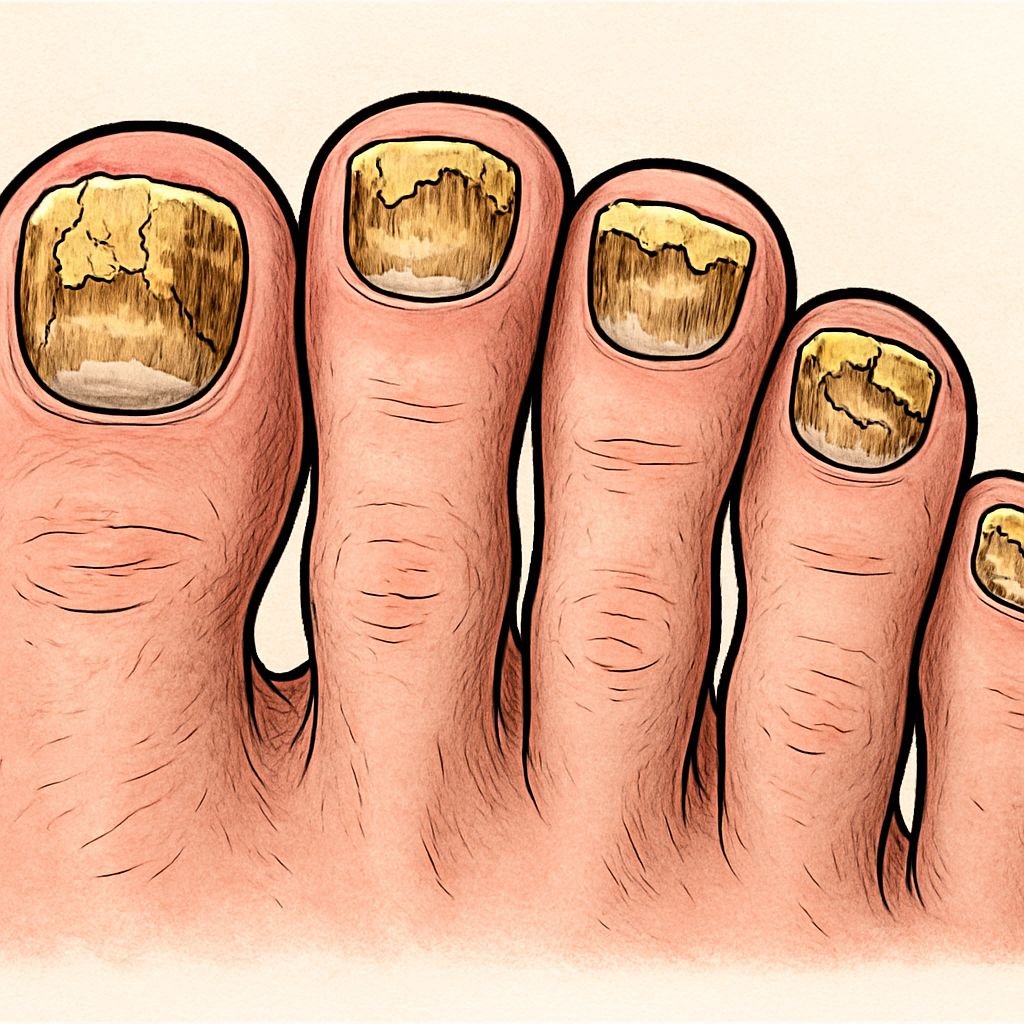
Dealing with toenail fungus can feel like a never-ending battle. Those yellow, thick nails aren’t just unattractive – they can also be painful and negatively impact your quality of life. While there are many treatments available over-the-counter at pharmacies, many of them contain harsh chemicals and don’t give the results you were hoping for. That’s why oregano oil is so useful – it’s a powerful natural antifungal that has been helping people get their healthy nails back for many years.
In my quest for natural cures for fungal infections, oregano oil has repeatedly proven itself as a highly effective solution. The Natural Remedies Awareness Foundation has recorded numerous success stories from individuals who’ve overcome persistent infections with this easy, cost-effective remedy. Oregano oil is uniquely composed of compounds that specifically attack and kill the fungi that cause nail infections, often succeeding where traditional treatments have not.
This guide will give you the full rundown on how to make and use your own oregano oil treatment. I’ll explain why it works and give you detailed instructions on how to apply it. If you stick with it and use the right technique, you’ll be able to get healthier, clearer nails without having to spend a lot of money on prescription medications or expose yourself to their harsh chemicals.
How Oregano Oil Can Help You Fight Toenail Fungus
Unlike other essential oils, oregano oil is known for its unique ability to fight off fungal infections. It’s especially effective against toenail fungus because it contains a high amount of natural phenols, specifically carvacrol and thymol, which are known for their strong antimicrobial properties. These compounds work together to break down the fungal cell walls, disrupting their structure and effectively eliminating the infection at its root. This is in contrast to many commercial treatments, which only address the symptoms on the surface, while oregano oil gets to the root of the problem.
There’s a lot of scientific evidence to back up the use of oregano oil for treating toenail fungus. A 2016 study published in the Revista Brasileira de Farmacognosia found that oregano oil was more effective than many commercial antifungal products at killing off the fungi that cause toenail infections. Another plus is that fungi don’t seem to be able to build up a resistance to oregano oil, which is a common problem with synthetic antifungals.
Why Oregano Oil is So Effective Against Fungal Infections
Knowing how oregano oil works can make it easier to see why it’s so good at getting rid of stubborn fungal infections. When you put oregano oil on an infected area, the active ingredients don’t just stay on the surface – they go deep into the nail bed and the tissues around it where fungi live. This ability to go deep is really important for treating toenail fungus, which often lives deep in and under the nail where a lot of treatments you put on the skin can’t get to. For more natural remedies, check out the best essential oil blends for nail fungus.
Fungus-Fighting Powerhouses: Carvacrol and Thymol
Carvacrol and thymol are the main active ingredients in oregano oil, accounting for 60-80% of the oil’s makeup in high-quality versions. These phenolic compounds work to break down the cellular integrity of fungi by interfering with their cell membranes and metabolic functions. Carvacrol, in particular, has been heavily researched for its ability to change the permeability of fungal cell membranes, essentially creating “holes” that cause essential ions to leak out and eventually leading to cell death. Thymol works in tandem with carvacrol to enhance the antifungal effect and provide additional antimicrobial benefits that help prevent secondary infections in the damaged tissue.
According to a lab study published in the Journal of Applied Microbiology, these compounds can even work against fungi that are resistant to antibiotics. What’s really amazing is that they are selectively toxic – they attack the fungal cells and typically leave human tissue cells alone when properly diluted. This selectivity is the reason why oregano oil can be so potent without causing the harsh side effects that some prescription antifungals can.
How Oregano Oil Attacks Fungal Cells
The way oregano oil kills fungi is pretty amazing. When you put it on a fungal infection, the oil’s molecules start messing with the fungi’s cells in several ways. One of the things they do is mess up the ergosterol pathway – ergosterol is super important for fungal cells because it helps keep their structure and function. If the fungal cells can’t make ergosterol like they’re supposed to, their cell walls get unstable and start leaking important stuff.
Moreover, oregano oil makes it difficult for fungus to thrive by changing pH levels and messing with the nutrient intake methods that fungi need to live and reproduce. A study at the University of Western Australia discovered that this multi-pronged assault makes it incredibly hard for fungi to build resistance mechanisms. The oil also prevents the change of fungal cells from yeast form to mycelial form – an important step in the development and spread of fungal infections. For those interested in exploring other essential oil blends for nail fungus, there are various natural remedies available.
How Well Does it Work Against Common Toenail Fungus Strains?
Most toenail fungal infections are caused by dermatophytes (especially Trichophyton rubrum), yeasts like Candida, and sometimes molds. Oregano oil has been found to be remarkably effective against all three categories in comparative studies. A comprehensive review published in the Molecules journal discovered that oregano oil prevented the growth of Trichophyton rubrum – the most frequent cause of toenail fungus – at concentrations as low as 0.25%. This effectiveness is on par with many prescription antifungals, but without their potential for liver toxicity and drug interactions.
Homemade Oregano Oil Treatment Recipe
Making your own oregano oil treatment isn’t just easy on the pocket—it also guarantees you’re using the cleanest ingredients without needless additives. The secret to a successful treatment is choosing top-notch ingredients and mixing them in the right proportions. Unlike store-bought products that often have preservatives and fillers that can upset sensitive skin, your DIY remedy will only have what’s needed for curing.
What You’ll Need
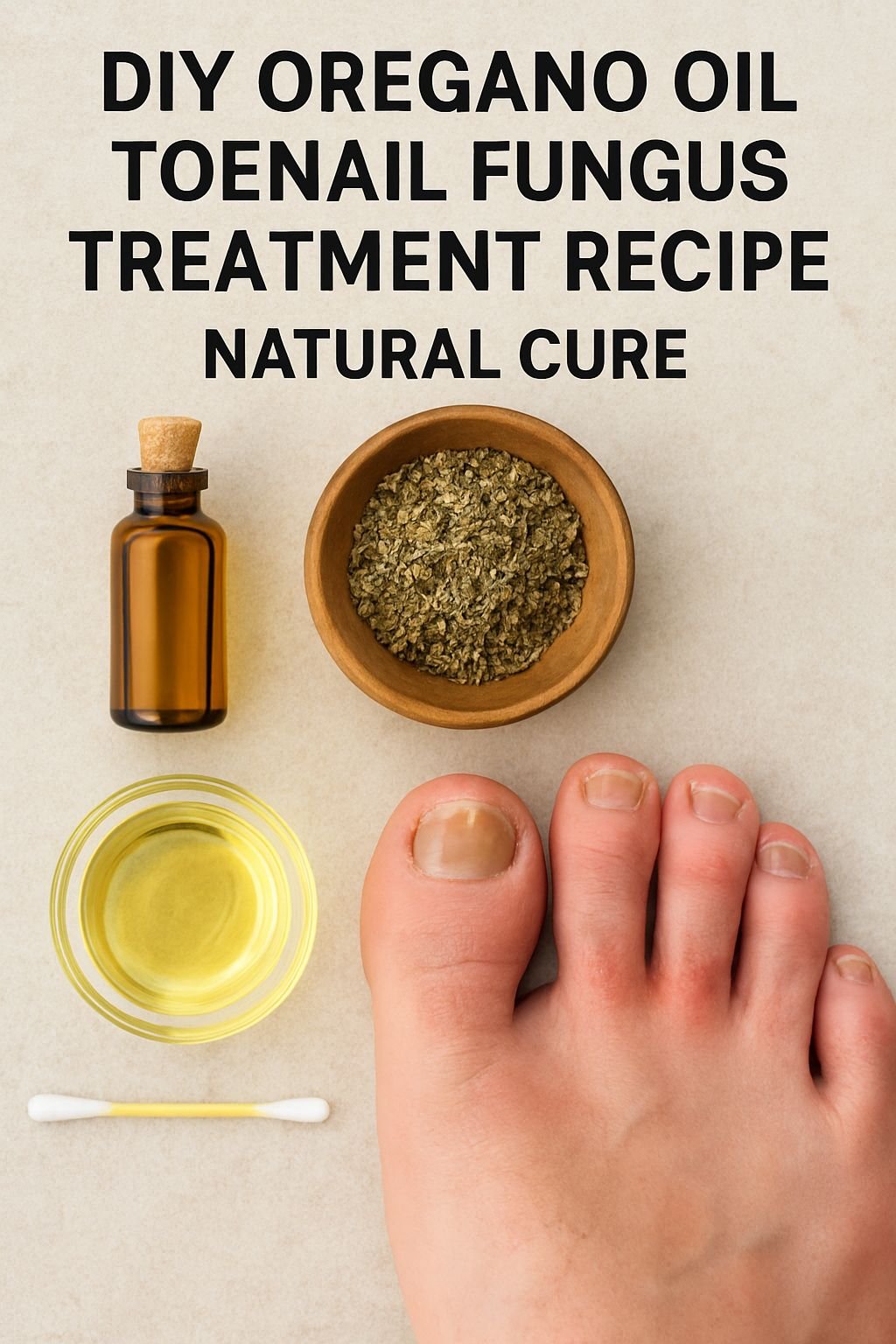
Begin with 100% pure oregano essential oil (Origanum vulgare) that contains at least 70% carvacrol for the most effective results. Make sure to purchase organic, therapeutic-grade oil from trusted sources to guarantee its strength and purity. You’ll also need a carrier oil – olive oil, coconut oil, or jojoba oil are great choices as they have their own mild antifungal properties that work well with oregano oil. For added effectiveness, consider adding a few drops of tea tree oil, which has a synergistic effect when used with oregano oil. Lastly, you’ll need dark glass dropper bottles for storage and small glass bowls for mixing.
How to Make Your Own Toenail Fungus Treatment
When you’re making your own toenail fungus treatment, it’s important to dilute the oils properly so that they’re safe to use but still effective. Start by adding 2 tablespoons of the carrier oil of your choice to a small glass bowl. Then, add 10-15 drops of oregano essential oil, which will create a dilution of about 3-5%. If you want to make your treatment even more powerful, you can add 5-7 drops of tea tree oil. Stir the mixture gently with a clean glass rod or metal spoon (you don’t want to use a wooden tool because it can absorb the oils). Once everything is mixed together well, use a small funnel to transfer your treatment to a dark glass dropper bottle. For more information on effective treatments, you can explore this guide on toenail fungus remedies.
It’s a good idea to mark your bottle with the date and contents because the potency of essential oils decreases over time. You may want to make smaller batches for convenience, especially if you’re traveling or want to keep some in different places. It’s important to remember that you need to dilute the oil properly. Pure oregano oil is too potent to apply directly to your skin and could cause serious irritation or burns.
Storing Your Oregano Oil Mixture Correctly
Essential oils can lose their effectiveness if they’re exposed to heat, light, and air. That’s why you need to store your oregano oil mixture properly. You should keep it in a dark amber or cobalt blue glass bottle. These colors can block light that can degrade the active ingredients in the oil. Make sure to seal the bottle tightly when you’re not using it. You should also keep it in a cool, dry place where it won’t be exposed to direct sunlight or heat. If you store your homemade oregano oil mixture correctly, it should stay potent for 6-12 months.
Steer clear of keeping your concoction in plastic containers because essential oils have the potential to break down some plastics and possibly seep chemicals into your treatment. If you see any alterations in aroma, hue, or texture, it’s wise to throw away the blend and whip up a new one to guarantee the highest efficiency. For quick solutions, consider exploring instant toenail fungus home remedies that can complement your treatment approach.
How to Use Your DIY Oregano Oil Treatment
1. Direct Application
Direct application is the simplest way to use your oregano oil treatment. Start by cleaning and drying the infected toenail. Then, use the dropper to put 1-2 drops of your diluted oregano oil mixture directly on the nail. Be sure to focus on the nail bed and under the free edge of the nail where fungus often lives. Massage the oil into and around the nail for 2-3 minutes to help it absorb and make sure it gets under the nail. For the best results, apply the treatment after you shower when your nails are softer and more able to absorb the treatment.
Once you’ve applied the oil, let it soak in completely before putting on socks or shoes. Applying the oil in the evening often works best because you can let the treatment do its job overnight while you sleep. If you want to prevent the oil from rubbing off on your sheets but still allow your feet to breathe, consider wearing breathable cotton socks after the oil has dried.
2. Foot Bath Method
If you have a fungal infection that affects more than one toe, a foot bath is a great way to ensure you treat all affected areas and help the treatment penetrate deeper. Fill a foot bath or basin with warm water, enough to cover your toes, and add 3-5 drops of your oregano oil mixture for each cup of water. Stir well to mix the oils, then soak your foot for 15-20 minutes. The warm water helps to open up the nail beds and the skin around them, making it easier for the oregano oil to get into those hard-to-reach areas where fungus tends to grow.
3. Antifungal Powder Mix
For those who grapple with excessive dampness that can worsen fungal infections, an antifungal powder is an excellent remedy. Start with 1/4 cup of arrowroot powder or cornstarch in a small container with a tight-fitting lid. Add 10 drops of your oregano oil blend and 5 drops of tea tree oil, then close and shake vigorously to distribute the oils evenly throughout the powder. Apply this powder to clean, dry feet, focusing on the spaces between toes and around the infected nails. The powder not only delivers the antifungal properties of oregano oil but also helps absorb excess moisture that fungi need to thrive.
4. Under-Nail Application for Severe Cases
For persistent infections where the fungus has burrowed deeply under the nail, a targeted under-nail application can be particularly effective. After softening the nail with a warm water soak, carefully trim the nail straight across as much as is comfortable. Using a clean cotton swab or a specialized under-nail applicator, dip into your oregano oil mixture and gently work it under the free edge of the nail as far back as possible. This method ensures the treatment reaches the nail bed where the fungus originates. For severely infected nails, some practitioners recommend carefully filing the surface of the nail first to make it more permeable to the treatment.
Plan of Treatment for Optimum Results
When it comes to treating toenail fungus with oregano oil, consistency is key. Fungal infections are famously stubborn, and even after symptoms start to get better, the fungus can still be active under the nail. Most treatments that work need at least 3-6 months of regular use, since that’s about how long it takes for a toenail to grow out completely. Stopping treatment too soon is one of the most common reasons the infection comes back.
Be patient with your healing process. Some people see changes in a few weeks, but it usually takes several months for the nail to be completely healthy again because new, healthy nail has to grow to replace the infected part. Remember that toenails grow at an average rate of 1.6mm per month, so it might seem like it’s taking a long time to see progress, even if the treatment is working well.
When to Apply the Treatment
Make sure to apply your oregano oil treatment twice a day – once in the morning after your shower and once before you go to bed. The morning is a great time to apply because your nails are clean and a little soft from the shower, which helps the oil to absorb better. The evening is also a good time because it allows the treatment to stay on your nails all night without being rubbed off by your shoes or any other daily activities.
Make this routine as second nature as brushing your teeth. If you need to, set reminders on your phone or place your treatment bottle somewhere you can see it. Weekends and vacations are when people often forget to do their treatment, so be extra careful during these times. Remember that every time you forget to do your treatment, you’re giving the fungus a chance to get stronger.
How to Know if the Treatment is Working
As you continue to use the oregano oil, you should start to see some changes that indicate it’s working. In the early stages, you might see less discoloration around the edges of the infected area, the nail might not be as thick, and it might not break as easily. The best sign that it’s working is when you see clear, healthy nail growing back at the cuticle. Other signs include less smell, less pain or discomfort, and the texture of the nail might start to improve as it heals. For more insights on effective remedies, check out this comprehensive guide on toenail fungus treatments.
Changing Your Strategy
If you don’t see any signs of improvement after 3-4 weeks of regular treatment, it might be time to change your strategy. You could try applying the treatment three times a day, or you might want to try a different method of application that is better suited to your specific type of infection. Some people find that alternating between applying the oil directly and soaking their foot in it gives better results than just doing one or the other. If you’ve been using a 3% dilution and it hasn’t been very effective, you could consider carefully increasing to a 5% dilution, but make sure you do a patch test first to make sure your skin can handle the stronger concentration. For more tips, you might want to explore instant toenail fungus home remedies for quick solutions.
If you’re dealing with a particularly persistent infection, you might want to try using your oregano oil treatment in conjunction with other natural antifungals such as tea tree oil, garlic extract, or apple cider vinegar soaks. The different ways these treatments work can make them more effective when used together. But remember, always introduce new treatments one at a time and keep an eye out for any negative reactions.
Remember that health problems like diabetes or immune disorders can make fungal infections more difficult to treat. If you have a health condition or don’t see improvement after 2-3 months of consistent treatment, talk to a healthcare provider who specializes in natural treatments.
Key Safety Measures
Although oregano oil is a natural treatment, it’s incredibly powerful and must be handled with the necessary care. Essential oils are highly concentrated plant substances that can lead to negative reactions if misused. You should never apply undiluted oregano oil directly to your skin or nails because it can cause serious burns, redness, and irritation. Always adhere to the correct dilution instructions and exercise extra caution when applying near mucous membranes or sensitive skin areas.
How to Dilute Oregano Oil Safely to Avoid Skin Irritation
A safe dilution for most adults is 3%, which is about 15-18 drops of oregano essential oil per ounce of carrier oil. If you have sensitive skin, you should start with a 1-2% dilution, which is 5-12 drops per ounce, and increase it slowly if you don’t have any skin irritation. Always remember that essential oils are fat-soluble, so they need to be diluted in a carrier oil. If you try to dilute them in water, the oil won’t disperse properly and it can actually increase your risk of skin irritation.
Checking for Allergies Before Full Treatment
Before you slather your oregano oil concoction onto your infected toenails, it’s a good idea to do a patch test to check for possible allergic reactions. Rub a little of your diluted mixture onto the inside of your forearm and cover it with a bandage. After 24 hours, check for any signs of irritation, redness, itching, or discomfort. If you see any bad reaction, stop using it immediately. Even if the patch test doesn’t show a reaction, keep an eye out for sensitivity during the first few times you apply your treatment. For more natural remedies, explore essential oil blends for nail fungus.
Who Should Not Use Oregano Oil Treatments
Some people should be careful or avoid using oregano oil. Pregnant women should not use oregano oil because it can stimulate blood flow to the uterus. People who are taking blood-thinning medications should talk to their healthcare provider before using it because oregano oil can increase the effects of anticoagulants. People who are allergic to plants in the Lamiaceae family (mint, basil, sage, oregano) should avoid oregano oil because it can cause cross-reactivity. Children under 7 years old should not use oregano oil treatments, and those who are 7-12 years old should only use half of the adult dilution and be supervised by an adult. For those looking for essential oil blends for nail fungus, there are other natural remedies available.
For those with diabetes, peripheral vascular disease, or any condition that affects the circulation to your feet, it’s important to consult with a healthcare provider before starting any toenail fungus treatment. These conditions can heighten your risk of complications, and even minor skin irritation can potentially escalate into more serious issues if your circulation is compromised.
Enhancing the Effectiveness of Your Treatment
Although oregano oil is an effective weapon against toenail fungus, you can enhance its effectiveness by combining it with other strategies. This will not only speed up the healing process but also prevent the fungus from coming back. Fungal infections thrive under certain conditions, so creating an environment that is not conducive to their growth is as important as treating the infection. By tackling the problem from different angles, you will give your body the best chance to completely get rid of the infection.
When it comes to fighting off fungal infections, most people tend to forget about the significance of internal health. According to a study published in the Journal of Alternative and Complementary Medicine, boosting your immune system can drastically enhance your body’s natural defense against fungal infections. Simple lifestyle changes such as getting enough sleep, managing stress, and staying hydrated can help improve your immune system and complement your external treatment methods.
Sticking to your full treatment plan is essential for success. Consider your oregano oil application as one piece of your recovery plan. When you combine it with changes to your diet, additional treatments, and good hygiene habits, you’re attacking the fungus from all sides and helping your body’s natural healing processes.
Natural Add-Ons
There are a number of natural treatments that work really well with oregano oil to boost its power. Apple cider vinegar soaks (one part vinegar to two parts warm water) make the environment more acidic, which further stops fungal growth. The acetic acid in vinegar gets through the nail plate and changes the pH to make it an unwelcome place for fungal organisms. Try switching between your oregano oil treatment and apple cider vinegar soaks every other day for better results.
Garlic extract is a powerful antifungal due to compounds like allicin, which have been proven to be effective in clinical trials. You can make a basic garlic oil by crushing a few cloves and letting them sit in olive oil for 24 hours, then applying the oil to the infected nails. Some people suggest switching between garlic and oregano treatments to more effectively combat the various elements of fungal metabolism.
Tea tree oil is a perfect partner for oregano oil in combating fungal infections. Although it is potent on its own, tea tree oil operates differently than oregano oil, creating a synergy when combined. Add 5-7 drops of tea tree oil to your oregano oil concoction to increase absorption and provide extra antifungal agents that work in tandem with carvacrol and thymol.
Sarah’s Successful Combination Treatment
“I had been battling toenail fungus for three years and tried every treatment under the sun. Finally, I found a holistic approach that worked for me. I applied my oregano oil blend every morning, soaked my feet in apple cider vinegar every night, took probiotics every day, and cut out sugar from my diet. After six weeks, I could see healthy, clear nail growing from the cuticle. After four months of sticking to this routine, my nail was completely clear for the first time in years.”
– Sarah L., participant in a case study by the Natural Remedies Awareness Foundation
How Your Diet Can Help Combat Fungal Infections
The food you consume can have a significant impact on how quickly your body can fight off fungal infections. Fungi love sugar and refined carbohydrates, so by reducing these in your diet, you can help to starve the infection. Instead, try to eat whole foods that are high in antifungal properties such as garlic, onions, coconut oil, olive oil, and ginger. These foods have natural compounds that can help to stop the growth of fungi from the inside out. Additionally, foods that are high in probiotics like yogurt, kefir, and fermented vegetables can help to keep a healthy balance of microorganisms in your body, which can help to prevent an overgrowth of fungi.
Some supplements can strengthen your body’s natural defense against fungal infections. Probiotics promote healthy gut flora, which is crucial for immune function. Oregano oil capsules taken internally (with the correct guidance) can combat fungal infections systemically. Other useful supplements are caprylic acid, pau d’arco, olive leaf extract, and berberine – all of which have shown antifungal properties in research studies. Always seek advice from a healthcare provider before beginning any new supplement regimen, particularly if you’re on medication.
Best Practices for Foot Hygiene
Good foot hygiene is key to creating an environment where fungus can’t thrive and your treatments are more effective. Always make sure to dry your toes thoroughly after bathing or swimming since moisture is the ideal environment for fungus to grow. Change your socks every day (or more often if your feet are particularly sweaty), and opt for breathable fabrics like cotton or moisture-wicking materials. Regularly disinfect your shoes with antifungal sprays or by placing a few drops of tea tree oil on a paper towel and leaving it inside your shoes overnight. Keep your nails trimmed straight across and avoid sharing nail tools, towels, or shoes with others to prevent reinfection or spreading the fungus.
Start Your Journey to Fungus-Free Toenails Today
Now that you know how to create and use a powerful oregano oil treatment, you are ready to start your journey to healthier, fungus-free toenails. Remember, consistency is key – stick to your treatment plan, even after you start to see improvements. Your dedication to the entire healing process, from preparation to application to supporting practices, will determine your success. The Natural Remedies Awareness Foundation continues to document the effectiveness of oregano oil treatments when used correctly and regularly, with many users achieving complete resolution of even long-standing infections.
Common Questions
Many people have questions about using oregano oil to treat toenail fungus. They want to know how it works, what they can expect, and if there are any side effects. I’ve been recommending this natural remedy for many years, and I’ve put together a list of the most common questions that I get from readers and patients. Knowing the answers to these questions can help you feel more comfortable with your treatment and get better results. For further insights, you can explore essential oil blends for nail fungus that complement oregano oil treatment.
It’s important to note that not everyone’s journey with treating toenail fungus is the same. Factors such as the severity of the infection, the thickness of the nail, and personal health conditions can affect the treatment process. However, the following answers are based on common experiences from those who have treated their toenail fungus and medical professionals. Although natural remedies may take longer to see results compared to pharmaceutical options, they are often more effective in the long run and have fewer side effects.
Should your question not be answered below, it may be beneficial to consult with a naturopathic doctor or herbalist who is experienced in essential oil therapies. They can provide personalized guidance based on your specific situation and health history.
- What causes toenail fungus to develop in the first place?
- Can I use oregano oil while taking prescription antifungals?
- How can I tell if my infection is fungal or bacterial?
- Is it normal for the skin around my nail to become slightly red after application?
- Should I file down the thickened nail before applying the treatment?
How long does it typically take to see results with oregano oil treatment?
Most people begin to see initial improvements within 2-4 weeks of consistent twice-daily application. These early signs include reduced redness around the nail, less flaking of the skin, and perhaps slight changes in nail color. However, complete resolution of a toenail fungal infection typically takes 6-12 months, depending on the severity of infection and how quickly your toenails grow. This timeline reflects the fact that you must wait for the infected portion of the nail to grow out completely and be replaced by healthy nail tissue. Patience and consistency are essential – many people give up too early when they don’t see dramatic improvements in the first few weeks. For more information, check out this article on foot fungus home remedies.
Is it possible to use dried oregano to make oregano oil at home?
Although you can create an oregano-infused oil using dried oregano leaves, it’s not the same as the therapeutic-grade oregano essential oil that’s necessary for an effective antifungal treatment. The infusion process doesn’t extract the concentrated amounts of carvacrol and thymol that are needed to effectively fight off fungal infections. Commercial oregano essential oil is made through steam distillation, which captures and concentrates the volatile compounds at much higher levels than can be achieved through home infusion methods.
If you want to get the most out of your treatment, it’s crucial to invest in a high-quality oregano essential oil (Origanum vulgare) with a carvacrol content of at least 70%. When shopping for oils, look for ones that come with a GC/MS (Gas Chromatography/Mass Spectrometry) analysis, which confirms the exact compound percentages in the oil. While these oils may seem pricier at first, keep in mind that therapeutic-grade oil is far more concentrated and potent, making it a more cost-effective option in the long run.
Why not try making your own herbal remedies? You could make an oregano-infused vinegar. Simply soak some dried oregano in apple cider vinegar for 2-4 weeks, then use the strained vinegar for foot soaks. This isn’t as strong as using essential oils, but it can be used alongside your main oregano oil treatment.
Can I safely use oregano oil with my other medications?
Generally, oregano oil does not interfere with oral medications when used as directed in a diluted form on the skin. However, there are important exceptions. If you are using a topical prescription medication on the same area, you should apply the treatments at least 2-3 hours apart to avoid potential interactions or reduced effectiveness of either treatment. You should not use oregano oil at the same time as topical steroids, as the increased penetration could potentially cause the steroid to be absorbed more than intended.
Be careful if you’re on blood thinners like warfarin, aspirin, or natural supplements with blood-thinning properties (like high-dose vitamin E or ginkgo biloba). Even though applying oregano oil to the skin usually doesn’t result in much getting into your system, it does have mild blood-thinning properties that could potentially make the effect of blood-thinning medications stronger. Always talk to your doctor before mixing treatments, especially if you’re on diabetes medications, drugs that suppress the immune system, or lots of different prescriptions.
Can oregano oil discolor my socks or sheets?
Using oregano oil may result in yellow-brown stains on fabrics, especially when used in large amounts. To avoid staining, let the oil completely soak into the nail and skin around it before covering your feet. This usually takes about 10 to 15 minutes. After applying, softly dab away any leftover oil with a tissue. If you’re treating your feet overnight, think about wearing a pair of “treatment socks,” or white cotton socks that you don’t mind possibly getting stained.
Should staining occur, it’s best to treat the fabric immediately. You can make a solution of warm water and mild dish soap, and use a soft brush to work it into the stain. If the stain is stubborn, you can try adding a few drops of lemon essential oil to your cleaning solution. The citrus compounds in the lemon oil can help break down the plant oils. Don’t use hot water or put the stained items in the dryer until the stain is completely gone. The heat can cause the oils to become permanently set into the fabric.
Is this treatment effective for other fungal infections as well?
Not only is oregano oil effective against toenail fungus, but it also works against many other types of fungal infections. It can be used to treat athlete’s foot, ringworm, jock itch, and some types of candida skin infections. For more information on treating athlete’s foot, you can explore essential oil treatments for athlete’s foot. The only thing to keep in mind is that when applying oregano oil to more sensitive areas of the skin, it’s best to start with a lower concentration (1-2%) and gradually increase it if necessary and well-tolerated.
If you’re dealing with a scalp fungal infection, like seborrheic dermatitis or dandruff with fungal components, you can add a few drops of oregano oil to your shampoo. Or, make a diluted scalp treatment with jojoba oil as the carrier. For fungal infections of the fingernails, you can use the same methods described for toenails. However, they often respond more quickly due to faster growth rates and generally thinner nails. For more natural remedies, explore the best essential oil blends for nail fungus.
Although oregano oil could be effective for many fungal conditions, it’s not suitable for all cases. Don’t use it for vaginal yeast infections, oral thrush, or any fungal infection on mucous membranes or close to the eyes. These areas need different treatment methods and the potent nature of oregano oil might cause significant irritation. Always check with a healthcare provider if you’re unsure about the kind of infection you’re dealing with, as bacterial and fungal infections can sometimes look alike but need different treatments. For more information, you can explore the benefits of oregano oil for various infections.