 Nail Fungus Cures Instant Cures for Painful Nails and Fungus
Related Articles



Key Points
- For athletes, nail damage can lead to significant performance issues and can even sideline them from competition without proper treatment
- The KeryFlex Nail Restoration System offers a non-invasive cosmetic solution that is particularly beneficial for athletes who need to recover quickly
- Professional nail restoration can alleviate pain during high-impact activities and prevent infections that are common in training environments
- After proper nail restoration, athletes can expect improved balance and biomechanics, directly enhancing their performance
- Vale Podiatry offers sport-specific nail restoration solutions that get athletes back to competition faster than conventional treatments
Nail damage is more than just a cosmetic issue for athletes. It’s a performance liability that can sideline them from competition. Nail damage can occur from repetitive trauma in running shoes, direct impact in contact sports, or fungal infections from shared facilities. Compromised nails can affect everything from an athlete’s balance to the power transfer through their feet.
Being an athlete brings its own set of foot health challenges. The continuous pressure, friction, and dampness provide the ideal environment for nail issues to arise, something that casual exercisers seldom experience. If your income or personal interests rely on you being in top physical shape, even what might appear to be small nail problems can have serious repercussions.
How Nail Damage Can Impact Athletic Performance
When it comes to high-performance athletics, every part of the body is essential, including your nails. If your toenails are damaged, it can affect how force is transferred through your feet and can impact your biomechanics from the bottom up. This minor shift can have a ripple effect through your kinetic chain, which can alter your running stride, the mechanics of your jump, and even the distribution of weight when you lift.
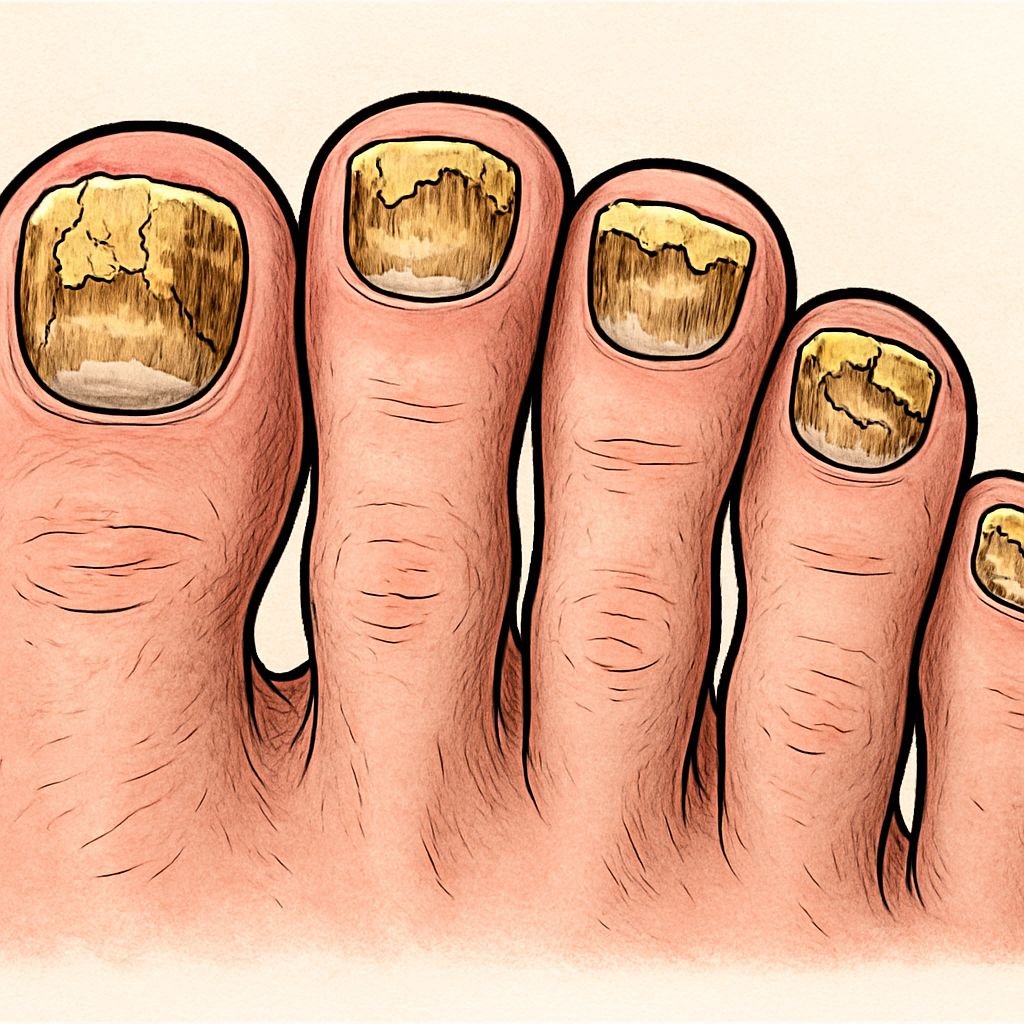
Aside from the physical discomfort, the pain from injured nails can cause a mental distraction that may disrupt concentration during crucial competitive situations. Many athletes unknowingly compensate for nail pain by adjusting their weight or altering their movement patterns, often leading to additional injuries in the ankles, knees, or hips.
Athletes often struggle with involuted nails, which cause pressure points and pain that intensify with every workout. Vale Podiatry has found that when athletes ignore these nail issues, they usually develop into more serious problems. These can require longer recovery periods and treatments that could end their season. For more insights on nail issues among athletes, check out this article on nail problems in athletes.
Nail Restoration Services for Athletes: What You Need to Know
Sports podiatry is a specialized field that offers a variety of nail restoration services tailored to athletes. These treatments are not just cosmetic; they also focus on helping you regain function so you can get back in the game as quickly as possible.
The KeryFlex Nail Restoration System
For athletes in need of non-invasive nail restoration that can hold up against the demands of training, the KeryFlex system is the gold standard. This groundbreaking treatment forms a flexible, robust artificial nail that bonds to your current nail bed, offering immediate cosmetic enhancement while safeguarding the tissue underneath during the healing process.
KeryFlex is especially beneficial to athletes because it enables them to resume most of their training activities on the same day they receive treatment. The restored nail is waterproof, so athletes can shower, swim, and train under any conditions without worrying about damaging the restored nail. The resin used in the process is breathable, which reduces the chance of athletes experiencing a recurrence of the fungal infections that many of them suffer from. For more information, you can explore the benefits of the KeryFlex Nail Restoration System.
Onyfix Nail Correction System
Onyfix is a non-surgical solution for athletes who suffer from involuted or ingrown nails. It uses a composite material that is affixed to your existing nail. Over time, this material will gently guide your nail back to a healthy growth pattern. This innovative system gradually restores proper nail growth patterns. For more information on nail restoration, explore the benefits of nail reconstruction.
Onyfix is a great alternative to traditional treatments that may require part or all of the nail to be removed. It allows athletes to continue training while their nail is being corrected. This is especially useful for distance runners and court sport athletes who often develop nail deformities due to the constant forward pressure in their athletic shoes.
Restorative Toenail Treatment
High-impact sports like soccer, football, and hockey can often result in severe nail trauma. Restorative toenail treatment is a more holistic approach to these cases, involving the meticulous reconstruction of the nail bed and matrix to promote healthy regrowth. Rather than focusing solely on aesthetics, this treatment addresses the root structural issues that often cause recurring nail problems in athletes. For those dealing with additional issues, such as fungal infections, exploring advanced toenail fungus treatments can be beneficial.
Usually, the procedure involves the use of sophisticated methods to reshape the nail bed, get rid of the damaged tissue, and create the best conditions for the new nail to grow properly. This method is especially beneficial for athletes who have suffered from partial or total avulsion (ripping off) of nails during a game or practice. For more information on nail restoration, you can explore the benefits of the KeryFlex Nail Restoration System.
Sport-Related Nail Damage
Depending on the sport, athletes can experience a variety of nail traumas. Runners often have to deal with subungual hematomas and nail lifting, while basketball players usually need to treat acute trauma caused by sudden stops and changes in direction. Athletes who participate in court sports often have problems with the lateral edge of the nail due to side-to-side movements.
By collaborating with a podiatrist who is familiar with the unique requirements of your sport, you can ensure that you will receive a restoration solution that can withstand the rigors of your training environment. They can include sport-specific modifications, such as extra reinforcement for high-impact activities or flexible components for sports that require extreme foot flexion.
5 Advantages of Professional Nail Restoration for Athletes
1. Pain Relief during High-Intensity Activities
After undergoing nail restoration, athletes often find that they no longer experience pain during high-intensity exercises. When you can push off, land, or move laterally without feeling a sharp pain in your nail, you’ll find that your performance improves. You’ll be able to move naturally and put in your best effort without worrying about the pain.
Many athletes have noticed a considerable boost in their performance due to the psychological advantage of training without the constant pain of a nail. When you’re not subconsciously guarding a sore toe, your movement patterns stay natural and effective.
2. Protection from Infections in Athletic Facilities
Training environments are a breeding ground for bacteria and fungus, especially for athletes with damaged nails. These infections can enter the body through the damaged areas. By having your nails professionally restored, you can create a barrier that protects the nail bed from the bacteria and fungus found on locker room floors, shared showers, and training equipment.
Keeping infections at bay is vital for athletes who can’t risk training disruptions because of issues like paronychia, an infection of the nail fold, or onychomycosis, a fungal nail infection. The water-resistant qualities of modern restoration materials significantly lower the risk of infection compared to traditional bandaging or leaving damaged nails untreated.
3. Enhanced Stability and Body Mechanics
Your toes are essential in maintaining balance, perceiving your body’s position, and transferring force during athletic activities. If you have to change how your foot hits the ground or how your weight is distributed because of damaged nails, it can lead to a series of body mechanic adjustments throughout your kinetic chain. Restoring your nails to their normal structure enables your toes to function normally during the push-off and stabilization phases of movement.
Biomechanical normalization is especially crucial for precision sports such as gymnastics, dance, and martial arts where the slightest alteration in foot positioning can impact the execution of a technique. Even in power sports, performance metrics can be boosted by the increased force transfer through properly functioning toes.
4. Quicker Back to the Game
Today’s nail restoration methods significantly cut down the time it takes to recover compared to older treatments. Natural nail growth can take anywhere from 6-12 months, but restoration procedures can get you back in the game in just a few days. This quick bounce back makes restoration especially useful during competitive seasons when you can’t afford to take a lot of time off.
5. Shielding Against Potential Injuries
In addition to dealing with current harm, expert nail restorations offer support that aids in avoiding future injuries during strenuous workouts. The compound substances utilized in today’s restorations frequently surpass the durability of normal nails while still maintaining the required flexibility, forming a perfect protective barrier for sports.
For sports with high rates of toe injuries, like soccer, basketball, and distance running, this protective quality is especially valuable. Many elite athletes get preventative nail restorations during competitive seasons specifically to reduce their risk of injury.
Regular nail care offers both immediate and long-term benefits for athletes. It not only enhances performance but also contributes to career longevity. By avoiding the cycle of damage that can lead to chronic conditions, you can prevent the permanent nail bed scarring that many veteran athletes suffer from.
- Reduced risk of complete nail avulsion during high-intensity activities
- Prevention of secondary injuries from compensatory movement patterns
- Minimized training interruptions from nail-related complications
- Improved equipment comfort, particularly in tight-fitting athletic footwear
- Enhanced confidence during movements requiring toe spring or pressure
Finding the Right Nail Specialist for Athletes
Not all podiatrists have experience with the unique demands of athletic nail restoration. When seeking treatment, look for specialists who regularly work with competitive athletes and understand how different sports create specific nail trauma patterns. The right provider will discuss your training schedule, competition calendar, and sport-specific needs before recommending a treatment approach.
Understanding the link between the right foot movements and athletic performance needs a particular type of knowledge that combines sports science with podiatric medicine. A professional will think about how your restored nail will work during the specific movements your sport needs, not just how it will appear after treatment.
What to Look for in a Sports Podiatrist
When you’re looking for a podiatrist who specializes in sports, you want to make sure they have the right credentials. They should have board certification in sports medicine, a fellowship in sports podiatry, or experience working with professional or college sports teams. Many sports podiatrists also work closely with athletic trainers and sports medicine teams, which helps ensure a comprehensive approach to your recovery and return to the game.
In athletic nail restoration, experience plays a vital role. Practitioners who frequently treat athletes in your particular sport will have a better understanding of the demands you will place on the restored nail and can personalize the treatment accordingly. Feel free to inquire about their experience with athletes in your sport and ask for examples of successful treatments.
What to Ask During Your Consultation
Before you decide on a treatment, make sure to ask detailed questions about how the restoration process will fit into your training schedule. Ask about how durable different restoration options are under the specific conditions of your sport. Talk about recovery timelines in the context of any competitions you have coming up and whether you might need to modify your training during the healing process.
Openly share your competition objectives and time restrictions. A competent sports podiatrist will devise a treatment plan that enhances your performance for crucial competition dates by working backward from them. They should also have contingency plans in place for dealing with any issues that may arise during intense training periods.
“The ideal provider won’t just fix your nail—they’ll understand how that nail functions within your athletic performance system. They should be asking as many questions about your sport as you’re asking about their treatment.” – Dr. James Thompson, Sports Podiatry Association
What to Expect: The Nail Restoration Process
Pre-Treatment Assessment
Your initial evaluation should include a comprehensive assessment of both the damaged nail and your overall foot biomechanics. The podiatrist will examine how your current nail damage affects your gait, balance, and sport-specific movements. This assessment often includes video gait analysis, pressure mapping, or other diagnostic tools to identify compensatory patterns you may have developed.
Before treatment, it’s also important to treat any conditions that may be causing the nail damage. This could include treating a fungal infection, making biomechanical corrections with orthotics, or making changes to equipment to prevent the damage from happening again after the restoration. Many athletes find it helpful to have temporary accommodations made so they can continue to train during this preparatory phase.
What to Expect During the Procedure
Many nail restoration procedures for athletes are minimally invasive and only require local anesthesia if necessary. For instance, the KeryFlex system usually takes between 30-60 minutes per nail, while the Onyfix application takes a similar amount of time. More extensive medical reconstructions could take 60-90 minutes depending on the extent of the damage.
The process involves meticulously prepping the damaged part of the nail, then applying the restoration material with specialized techniques to make sure it sticks properly and looks natural. The aim is not just to make the nail look better, but also to restore its function so it can stand up to the demands of athletic activity. Many athletes are pleasantly surprised by how quickly the nail looks better and the pain goes away after treatment.
Healing Time for Active Workouts
One of the biggest benefits of today’s nail restoration for athletes is the shortened healing time. Most non-surgical restorations allow for an immediate return to most activities, with full athletic participation possible within 24-48 hours. Your provider will create a sport-specific healing protocol that balances protection of the restoration with maintenance of your workout schedule.
Usually, the first 24 hours after the procedure, you’ll need to avoid getting the nail too wet and putting too much pressure on it. After this period, the nail restoration should be fully set and able to handle the usual stresses of athletic activity. Your doctor may suggest you make temporary changes to what shoes you wear or how you tape up your feet to give the nail extra protection as you get back to your usual training routine.
Keeping Your Restored Nails Healthy During Rigorous Training
Everyday Care Steps
Keeping your restored nails in good shape involves easy but regular care steps that can easily be incorporated into your athletic routine. Most restored nails need to be cleaned daily with a mild soap and dried thoroughly, especially after workouts. Using an antifungal solution that breathes can help to prevent infections in the high-moisture settings that are common with athletic activities. Your provider will suggest certain products that will work best with your type of nail restoration and your athletic requirements.
Protection Strategies for Different Sports
There are different protection strategies for different sports to ensure the longevity of the restoration. Distance runners usually benefit from silicone toe caps or specialized lubricants that reduce friction within shoes during high-mileage training. Athletes who play basketball and court sports often need reinforced toe boxes or custom-cut toe shields that prevent direct impact during quick directional changes.
Athletes who play contact sports should talk to their podiatrist about additional protective measures, as direct trauma poses the biggest threat to nail restorations. Options include everything from specialized taping techniques to custom-made guards that direct impact forces away from the restored nail. Many professional athletes use a combination of approaches that vary depending on the training phase and the intensity of the competition.
Another important part of keeping your nails healthy is making sure your equipment is modified. You can work with your podiatrist to find the best footwear for your specific restoration. This can help it last a lot longer. Things like wider toe boxes, reinforced toe caps, or specific lacing patterns can really help reduce the mechanical stress on restored nails when you’re training or competing. For more insights, you might find this guide on toenail health for athletes useful.
Planning Touch-Up Appointments Around Competitions
Like any other beauty treatment, nail restoration also needs regular maintenance to keep the nails looking and functioning their best. By scheduling these touch-up appointments around your competition schedule, you can make sure your nails are in top condition when you need to perform at your best. Usually, you should plan a thorough check-up 3-4 weeks before any major competitions. This gives you enough time to make any necessary changes or strengthen the nails if needed.
Think about setting up a regular maintenance routine that fits in with your training schedule. A lot of top athletes arrange for more intense nail treatments during the off-season or when they’re not training as hard, and then they have maintenance appointments during the competitive season. Your foot doctor can help you come up with a restoration maintenance plan that doesn’t interfere with your training but does the most for your nail health and performance.
Get Back on Your Feet: The Next Steps for Athletes with Damaged Nails
If you’re an athlete who is currently training with nail pain or has recently suffered from nail trauma, don’t wait until it affects your game to get treatment. Early intervention can greatly improve outcomes and minimize the disruption to your training. Get in touch with a sports podiatry specialist for an evaluation, and bring your competition schedule and training plan with you to help them create a restoration plan that aligns with your athletic goals. With the advanced restoration options available today, nail damage no longer has to keep you from pursuing your athletic goals or limit your performance potential. Vale Podiatry specializes in getting athletes back to doing what they love with minimal downtime and maximum performance potential.
Common Questions
Many athletes have similar questions about nail restoration procedures and how they might affect their ability to train or compete. The answers provided below are based on the current standards in sports podiatry, but your individual circumstances may require personalized advice from a qualified provider.
This FAQ will answer the most common questions athletes have when considering nail restoration, particularly when it comes to the timing of competitions and how long treatments will last. All answers are based on clinical evidence and real-world athletic uses of modern restoration techniques.
When can I get back to my sport after nail restoration?
Most athletes can get back to a modified training routine within 24 hours of having a non-surgical nail restoration procedure like KeryFlex or Onyfix. You can usually get back to full-intensity training within 2-3 days as the restoration reaches its maximum strength and integration. For surgical nail reconstructions, you can usually get back to non-impact training within 1-2 weeks and full-intensity participation within 3-4 weeks. Your specific timeline depends on the demands of your sport, with higher-impact activities requiring slightly longer protection periods to make sure the restoration is as durable as possible.
Can I play sports with restored nails?
Today’s nail restoration services are designed to hold up under the pressure of sports, as long as they’re applied and taken care of correctly. The composite resins used in systems like KeryFlex are even stronger than natural nails, but they’re still flexible enough to be comfortable. This means they’re a good fit for high-impact sports like basketball, soccer, and tennis. If you play a sport with extreme impact, like football or rugby, your doctor might recommend taking extra steps to protect your restored nails and make sure they last as long as possible.
Having a provider who is experienced in working with athletes is crucial to the durability of the restoration. Restorations that are applied with the athlete’s performance in mind will include specific reinforcement techniques and material selections that might not be included in standard cosmetic applications. This approach, which is specific to sports, significantly increases durability under competitive conditions.
Does sports insurance cover nail restoration treatments?
It really depends on your insurance provider, the type of policy you have, and if the restoration is for functional impairment or cosmetic reasons. Most sports insurance policies and team coverage plans will cover restorations if they are considered medically necessary to return to the game. Usually, this requires proof of how the nail damage affects athletic performance or could lead to more injuries.
It’s quite common for collegiate and professional athletic programs to include nail restoration in their standard coverage for athletes. If you’re an individual athlete, you’ll want to provide detailed documentation from your podiatrist about why the procedure is functionally necessary to improve your chances of getting coverage approval. Note that some policies distinguish between temporary restorations (like KeryFlex) and permanent surgical corrections, and they may have different coverage parameters for each.
When insurance coverage is not an option, many sports podiatrists provide competitive pricing for athletes. They understand that these procedures are important to your career or competition goals. Some practices also offer payment plans specifically designed for competitive athletes. These athletes depend on having the best foot health and function to make a living.
- Document how the nail condition affects performance metrics when possible
- Request specific billing codes from your provider that emphasize functional restoration
- Include athletic trainer or sports medicine physician notes supporting medical necessity
- Check if your sports governing body offers supplemental coverage for podiatric care
- Consider flexible spending accounts or health savings accounts for non-covered procedures
Can nail restoration prevent future injuries during competition?
Yes, properly executed nail restorations actually serve a protective function beyond repairing existing damage. The reinforced structure of restored nails provides greater resistance to common athletic nail traumas like subungual hematomas, onycholysis (nail separation), and lateral tears. Many elite athletes maintain preventative restorations on previously damaged nails specifically to reduce reinjury risk during high-stakes competitions. The preventative value extends beyond the nail itself by supporting normal biomechanics and preventing the compensatory movement patterns that often lead to secondary injuries in the kinetic chain. For more on maintaining nail health, check out our guide on toenail health for athletes.
How can I tell if my nail damage needs restoration instead of standard treatment?
Whether you need standard nail treatments or restoration procedures mainly depends on three things: how much damage there is, when you’re competing next, and what your sport requires. If more than 25% of the nail surface is significantly damaged, especially if it limits what you can do, restoration is usually a better option than standard treatments. Also, if your nail damage hurts when you do movements specific to your sport, restoration can help you recover function faster than if you just waited for it to heal naturally.
Whether or not you should opt for restoration depends heavily on your competition schedule. If you have events coming up within the natural healing timeframe (which can range from 3 to 12 months depending on the extent of the damage), restoration is the quickest way to get back to peak performance. Athletes who participate in high-impact sports or sports that put a lot of pressure on the toes often see the most benefit from restoration procedures because of the high functional demands placed on their toenails.
It’s recommended to set up an appointment with a sports podiatrist who can assess your unique injury, the demands of your sport, and your competitive goals. They can weigh the projected results of various treatment methods against your performance needs to suggest the best solution for your athletic career. For more information on maintaining toenail health, especially for athletes, consider exploring this guide on toenail health for athletes.
Keep in mind that catching these issues early usually leads to better results and more choices for treatment. What may seem like a small amount of damage to a nail can get much worse when you keep playing sports, and that can lead to bigger problems that take longer to get better.
AI content:
Artificial intelligence has been used to develop a new method for restoring damaged nails. This method is particularly beneficial for athletes, who often suffer from nail damage. The process involves using a special gel that is applied to the damaged nail. The gel contains a unique formula that promotes the growth of healthy nail tissue. The results are impressive, with the majority of athletes reporting significant improvements in the condition of their nails.
Human content:
A new technique for repairing damaged nails has been developed using artificial intelligence. This technique is especially useful for athletes, who frequently experience nail damage. The procedure involves applying a special gel to the damaged nail. The gel contains a special formula that encourages the growth of healthy nail tissue. The outcomes are remarkable, with the majority of athletes noting significant improvements in the health of their nails.
