 Nail Fungus Cures Instant Cures for Painful Nails and Fungus
Related Articles


Main Points
- Despite common misconceptions, oral antifungal medications have a low risk of causing liver damage in healthy individuals, although specific monitoring may be suggested for certain patients.
- Topical treatments are effective for superficial fungal infections, but systemic or deep-rooted infections like nail fungus often need oral medications for successful treatment.
- Modern oral antifungals can effectively treat fungal nail infections with cure rates between 60-80%, debunking the persistent myth that these infections are incurable.
- There are different classes of oral antifungals (azoles, allylamines, and echinocandins) that work in different ways and should be matched to your specific type of infection.
- It’s important to complete the full prescribed course of antifungal medication to prevent the infection from coming back, even if symptoms have improved.
Fungal infections can be tough, persistent, and annoying. When dealing with an infection that just won’t go away, many people resort to oral antifungal medications—but often with apprehension due to misunderstandings. Let’s clear up the facts and myths about these powerful but often misunderstood drugs, especially for those looking for natural approaches who want to know when prescription options might be necessary.
What Your Doctor Might Not Be Telling You About Oral Antifungal Medications
Oral antifungal medications can be a godsend when it comes to stubborn fungal infections. However, many healthcare providers don’t go into great detail about how these medications function or when they’re genuinely needed versus when natural alternatives may be enough. It’s important to understand that some fungal infections respond well to natural treatments, while others truly need medical treatment to effectively deal with them.
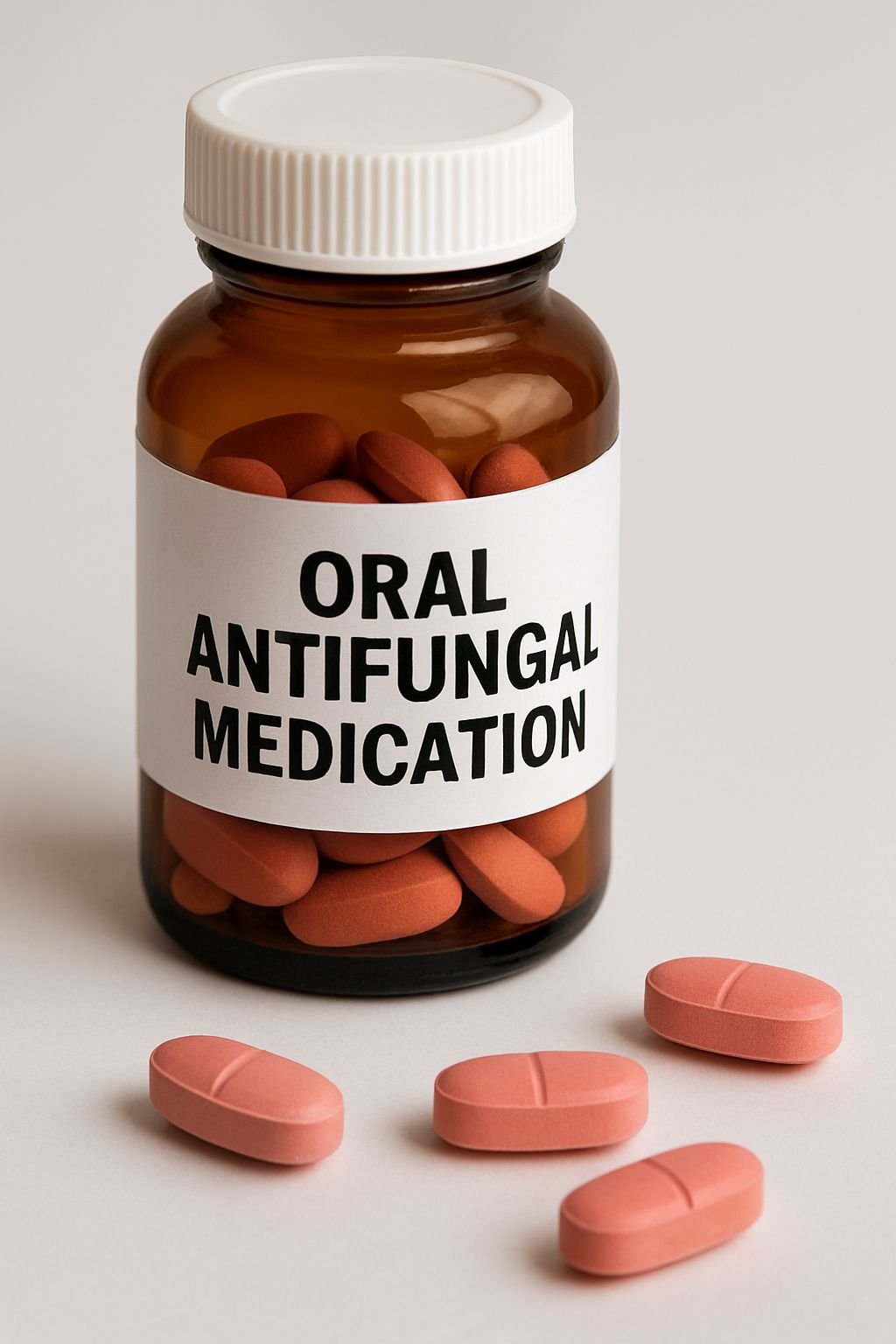
Oral antifungal medications travel through your body, reaching places that topical treatments can’t. They specifically target parts of fungal cells while generally avoiding human cells, which makes them both potent and (usually) easily tolerated when used correctly. Despite their effectiveness, there are many misconceptions about their safety and efficacy.
Debunking Myth #1: Oral Antifungals Will Inevitably Lead to Severe Liver Damage
One of the most common misconceptions about oral antifungal medications is that they always cause severe liver damage. This myth has stopped many from getting the necessary treatment for serious fungal infections. The reality is much more complex and less frightening than this widespread myth.
There’s a widespread fear that oral antifungals can cause serious liver damage. While it’s true that some of these medications can affect liver function, the risk of severe damage in healthy people is actually very small. The fear comes from rare but well-documented cases of liver toxicity. However, the majority of patients finish their treatment without any major liver problems, particularly if they’re being properly monitored.
The Real Findings on Liver Risk
Research has consistently shown that the risk of severe liver damage from commonly prescribed oral antifungals such as terbinafine and fluconazole is minimal in healthy populations. For terbinafine, the most commonly prescribed oral antifungal for nail infections, the rate of clinically significant liver injury is approximately 1 in 50,000 to 120,000 patients. This is much lower than what many people perceive.
Fluconazole, which is another popular oral antifungal, has a low risk profile when used at regular doses for typical fungal infections. Itraconazole has a slightly higher risk, but even this medication infrequently causes severe liver issues when used as recommended in suitable patients.
Choosing the right patient and keeping a close eye on them is crucial. The majority of liver damage caused by antifungal medication is seen in patients who have pre-existing liver conditions, are older, or are taking multiple liver-processed medications.
Groups That Should Be More Careful About Liver Effects
Although the overall risk is small, some people should be more careful when considering oral antifungal treatment. Those with existing liver disease, heavy drinkers, and people who have experienced drug-induced liver damage should talk to their doctors in depth before starting these drugs. Also, people taking several drugs that are broken down by the liver might be at a higher risk because of possible drug interactions.
Another factor to consider is age. Older patients usually metabolize medications at a slower pace and may be more prone to experiencing side effects. Women who are pregnant or planning to become pregnant should also be careful, as some antifungals are not recommended during pregnancy due to possible effects on the development of the fetus.
What Doctors Do to Monitor Liver Function During Treatment
Most healthy people who take oral antifungals may be advised to have baseline liver function tests before they start treatment, although practices can differ. For longer courses of treatment, which usually last 6-8 weeks, doctors will periodically monitor liver enzymes to catch any early signs of liver stress, so that they can stop treatment promptly if they need to.
Your healthcare provider should inform you about what signs may suggest a liver reaction, like unusual tiredness, yellowing of the skin or eyes, dark pee, pain in the upper right belly, or unexplained sickness. Knowing these warning signs allows you to get help quickly if necessary, even though these reactions are uncommon.
If you’re worried about the impact on your liver, you might want to talk to your doctor about liver-supporting alternatives. Some people find milk thistle, dandelion root, and staying well-hydrated helpful, but these should be used in addition to, not instead of, regular medical check-ups.
Myth #2: Topical Creams Can Cure Any Fungal Infection
A common belief is that all fungal infections can be cured with over-the-counter creams and ointments. This misunderstanding often results in disappointment when topical treatments don’t work for some infections. The truth is that fungal infections can be very different in terms of depth, location, and response to different treatments.
Topical antifungals are great for a lot of skin infections that are on the surface, but they just can’t get deep enough to fight fungi that have gotten into nail beds, hair follicles, or inside the body. It’s important to know this so you can choose the right treatment. For more information on effective solutions, check out these advanced toenail fungus treatments.
Why You Might Need Oral Medication
Oral antifungals are often needed when the infection is too deep for creams or ointments to reach. For instance, nail fungus (onychomycosis) often requires oral medication because the infection is located within and under the nail plate, which is too thick for creams to penetrate effectively. Likewise, scalp ringworm (tinea capitis) usually needs oral medication because the fungus is deeply embedded in the hair follicles.
Oral or intravenous antifungal medications are necessary for treating systemic fungal infections that affect internal organs. This includes conditions like candidiasis that has spread beyond the digestive tract, aspergillosis in the lungs, cryptococcal meningitis, or histoplasmosis. In individuals with weakened immune systems, even typically mild fungal infections might need systemic treatment.
Oral therapy is often needed when an infection hasn’t improved after several weeks of correctly applying topical treatments. If you keep getting infections in the same area, this could mean that topical treatments aren’t completely getting rid of the fungus.
Why Topicals Don’t Work For Certain Infections
Topical antifungals don’t work primarily because they can’t penetrate deep enough to reach the source of infection. In nail fungus, for example, the infection often begins in the nail bed beneath the hard keratin plate of the nail itself. No matter how diligently you apply cream to the nail surface, very little medication reaches the actual infection site.
Physical barriers are not the only issue. Some fungi create protective biofilms that protect them from topical agents. Also, some types of fungi are naturally resistant to common topical ingredients and need specific medications that are only available orally.
Topical medications can also be neutralized by environmental factors within the body before they have a chance to work. For example, scalp infections involve fungi that have invaded the hair follicle. Natural oils can wash away or dilute topical treatments before they have a chance to work.
Measuring the Effectiveness of Different Treatments
Statistics provide a clear picture of the disparity in success rates between topical and oral treatments for some conditions. For instance, when it comes to treating nail fungus, topical treatments alone have been shown to completely cure the condition in only 5-8% of cases in controlled studies. In contrast, oral treatments such as terbinafine have been shown to completely cure the condition in 60-75% of cases.
When it comes to scalp ringworm, the contrast is even more striking. Topical treatments on their own have cure rates of less than 30%, while oral antifungals are successful in over 90% of cases. This significant difference is why dermatologists often go straight to oral treatment for certain infections, rather than wasting time with topical methods that are unlikely to work.
However, for minor skin infections such as athlete’s foot or ringworm on non-hairy skin, topical treatments often have an 80-90% success rate, making them the first choice for treating these conditions. The trick is to match the treatment method to the specific characteristics of the infection.
Myth #3: Medication Can’t Cure Fungal Nail Infections
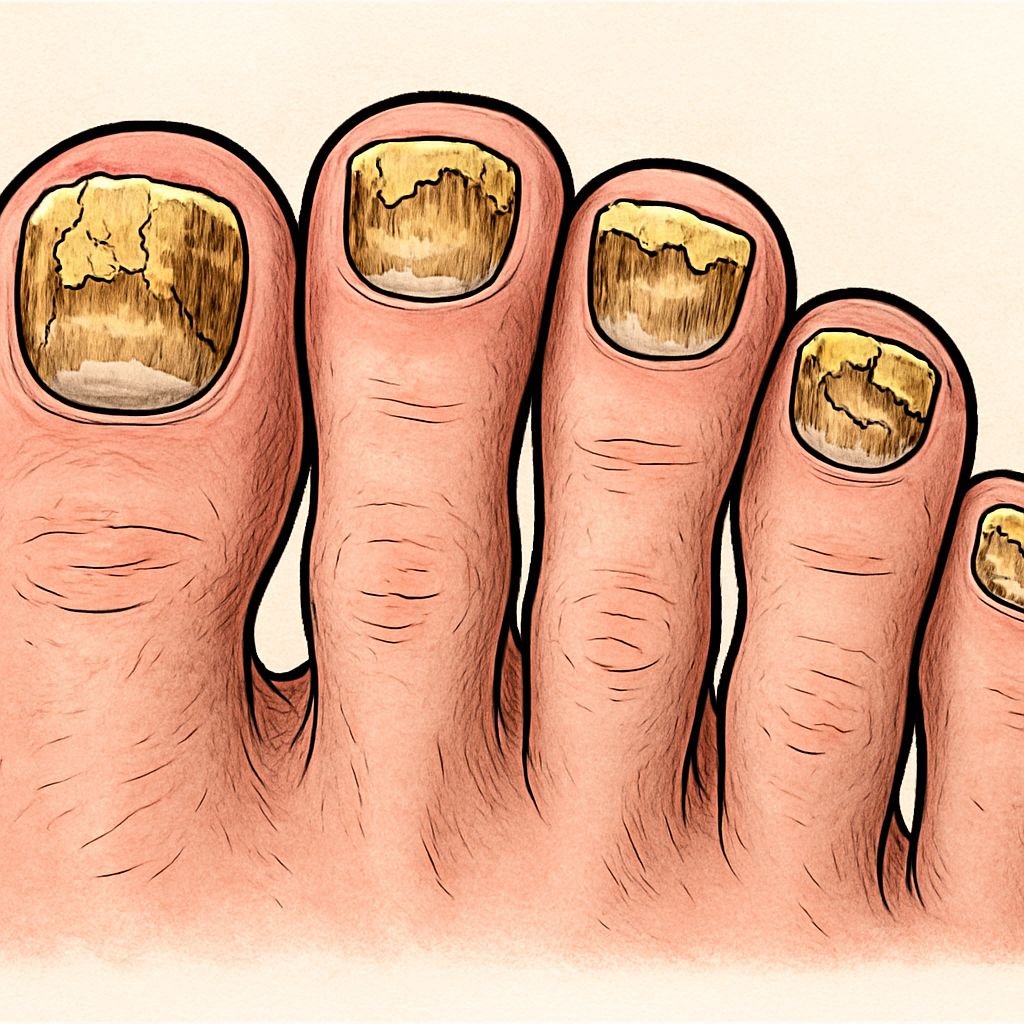
One stubborn myth out there is that fungal nail infections (onychomycosis) are basically impossible to treat. Many folks have tried different treatments with no luck and have decided that these infections just can’t be cured. This pessimistic outlook usually comes from failed attempts at treatment, unrealistic expectations about how long it takes to recover, or not completing the full course of treatment.
Today’s oral antifungal drugs can successfully treat most nail fungus infections. However, successful treatment requires patience, persistence, and a realistic understanding of how nails heal and grow. Even when the fungus has been eradicated, it often takes many months for the infection to completely clear up visually.
Effectiveness of Today’s Oral Antifungal Medications
Research has found that oral antifungal medications, such as terbinafine (Lamisil), are successful in getting rid of the fungus in 70-80% of nail infections. The rate of full recovery, which includes not only getting rid of the fungus but also restoring the nails to their normal appearance, is 40-75%, depending on how severe the infection was and how long it had been present before treatment began. For more information on treatments, check out this guide on toenail fungus treatment.
While it may need a more extended treatment or pulse dosing regimens, Itraconazole (Sporanox) is just as effective. Even fluconazole, which isn’t formally approved for nail fungus in many countries, shows significant effectiveness when used weekly for several months. The success secret is choosing the right medication for the particular fungal species causing the infection. That’s why laboratory testing of nail samples can be beneficial. For those seeking additional options, there are advanced toenail fungus treatments that offer effective solutions.
It’s important to highlight that those who’ve had the infection for less than a year, haven’t tried multiple failed treatments, and don’t have severe nail damage have the highest success rates. This emphasizes the need for early intervention instead of waiting until the infection has become deeply rooted.
The Real Duration of Treatment
One of the main reasons treatment is deemed unsuccessful is due to misconceptions about how long it should take. Even after the medication has successfully killed the fungus, the nail still needs to grow out fully before it will look healthy again. Fingernails typically take between 4-6 months to grow out fully, while toenails can take anywhere from 12-18 months to fully replace themselves.
Oral antifungal medications for nail infections usually take 6-12 weeks to complete, but the visible improvement takes much longer to appear. It can take 3-6 months after the end of the medication course before patients see a noticeable difference. This delay often leads people to mistakenly believe that the treatment didn’t work, when in reality they just didn’t wait long enough to see the new, healthy nail growth. For more information on effective treatments, check out this guide on advanced toenail fungus treatments.
To get the best outcome, oral antifungal medication should be used in conjunction with good nail hygiene. This includes keeping the nails trimmed short, wearing shoes that allow your feet to breathe, treating any skin infections in the surrounding area, and potentially using topical treatments as a supplement. This all-encompassing method increases the likelihood of a full recovery. For more information on effective solutions, check out these advanced toenail fungus treatments.
Why Some Treatments Seem Not To Work
Several valid reasons exist as to why a treatment might not work, and it’s not always due to impatience. Misdiagnosis is surprisingly frequent – not all abnormalities in nails are due to fungus. Conditions such as psoriasis, trauma, or bacterial infections can look like fungus, leading to the wrong treatment. Getting a lab to confirm a fungal infection before starting oral medications can prevent this problem. For more information on effective treatment options, check out this guide on toenail fungus treatments.
One of the most common causes of treatment failure is poor adherence to medication. Missing doses, discontinuing treatment too early, or not following instructions about food interactions can greatly decrease effectiveness. Some antifungals need to be taken with fatty meals for proper absorption, while others need to be taken on an empty stomach.
Conditions such as diabetes, circulation issues, or immune system disorders can also lower the success rate of treatments by creating an environment where fungi can still flourish despite medication. In these instances, it’s crucial to manage the underlying condition for the antifungal treatment to be effective.
Myth #4: All Oral Antifungals Are Interchangeable
It’s a common misconception that all oral antifungal medications function the same way and can be used interchangeably. This misunderstanding can result in unsuitable treatment options and avoidable side effects. The truth is that oral antifungals are made up of different classes of medications, each with its own unique method of action, efficacy profiles for specific infections, and potential side effects.
Knowing these distinctions allows for treatment plans that are more tailored to the individual, maximizing effectiveness while minimizing risks. Your doctor’s choice of antifungal should be tailored to your specific infection type, medical history, and other medications you may be taking.
Three Main Categories of Oral Antifungal Medications
The most frequently prescribed and largest group of oral antifungal medications are the azoles, which include fluconazole (Diflucan), itraconazole (Sporanox), and voriconazole (Vfend). These drugs function by disrupting the formation of the fungal cell membrane, effectively damaging the structural stability of the fungal cell. Azoles are effective against many Candida species, dermatophytes, and some systemic fungi.
Terbinafine (Lamisil), a type of allylamines, works by blocking squalene epoxidase, an enzyme necessary for the formation of fungal cell membranes. This is why terbinafine is particularly effective against dermatophytes (the fungi that cause nail infections, ringworm, and athlete’s foot) but not as effective against yeasts like Candida.
Echinocandins, such as caspofungin and micafungin, are a new class of antifungal drugs that are often used to treat serious systemic infections. These drugs work by inhibiting the production of beta-glucan, a key component of the fungal cell wall. Since human cells do not have cell walls, this targeted treatment is very safe, but it must be given intravenously.
How Each Type Works Differently
Each medication works differently and this directly affects how well they work against specific types of fungus. Terbinafine, which is an allylamine class antifungal, kills dermatophytes instead of just preventing them from growing. This makes it especially effective for treating nail fungus. In fact, it’s been found to be much more effective than azole antifungals for this specific condition.
Most fungi are fungistatic against azole antifungals, which means they inhibit fungal growth instead of directly killing the organisms. However, they are effective against a wider range of fungi, including dermatophytes, yeasts, and many systemic fungal infections. Fluconazole is particularly useful for treating fungal meningitis due to its excellent penetration into the central nervous system.
There are significant differences in the way the body absorbs and processes different types of antifungal medications. Terbinafine, for example, is absorbed into the skin, nails, and hair and can remain active in nail tissue for several months after the treatment has ended. Itraconazole also concentrates in the skin and nails, but it needs to be taken with acidic drinks or food to be properly absorbed. Fluconazole is easily absorbed by the body regardless of whether it’s taken with food, and it spreads widely through body fluids.
Choosing the Right Medicine for Your Infection
Terbinafine is usually the first choice for treating nail fungus (onychomycosis) because it’s more likely to cure the infection and it’s safe for most people to take. If you can’t take terbinafine for some reason, itraconazole is a good alternative. Fluconazole isn’t approved by the FDA to treat nail fungus, but it’s sometimes used once a week when other treatments aren’t a good fit.
Fluconazole is usually the go-to for yeast infections like systemic candidiasis because it works well against most Candida species. If you’re dealing with resistant Candida strains or serious systemic infections, you might need echinocandins. Mucocutaneous candidiasis, which affects the mouth, throat, or esophagus, usually responds well to fluconazole.
Griseofulvin has been the traditional go-to for treating ringworm on the scalp, but terbinafine has shown to be just as effective and requires a shorter treatment period. The best choice depends on the patient’s age, how severe the infection is, and if there are any possible drug interactions. For more information on advanced treatments, consider exploring effective technological solutions for fungal infections.
Myth #5: Natural Remedies Are As Effective As Prescription Antifungal Medication
With the rise of holistic health practices, many people are under the impression that natural antifungal remedies can be a substitute for prescription medication. Although many natural substances do have antifungal properties, the evidence supporting their ability to combat established infections—especially those that are more severe or deeply rooted—is not as substantial as it is for traditional medications.
That’s not to say that natural treatments don’t have a role in fighting fungus. Instead, knowing when natural solutions might be enough and when you really need to turn to medications can help you make educated choices about your health.
What Research Tells Us About Natural Options
There are various natural substances that have shown antifungal properties in lab tests. Tea tree oil, for example, has terpenes that can break down the cell membranes of fungi. Some small clinical trials have found it to be effective for treating mild to moderate athlete’s foot and nail fungus. Oregano oil, which contains carvacrol and thymol, has been found to have antifungal properties against Candida species in test-tube studies.
There are other natural substances that have been proven to have antifungal properties. These include garlic, which contains allicin, caprylic acid, which is found in coconut oil, grapefruit seed extract, and various essential oils such as clove and thyme. Propolis, a resin-like material made by bees, has shown promising antifungal activity in preliminary studies.
But, the amount, quality, and how well these compounds are absorbed and used by the body in commercial products vary significantly. Most importantly, their ability to penetrate deep into tissues like nails or reach systemic infections is generally much lower than pharmaceutical options.
Comparison of Treatment Options for Common Fungal Infections
Infection Type Natural Remedies Effectiveness Oral Antifungal Effectiveness Best Approach Mild Athlete’s Foot Moderate (40-60% improvement) High (80-90% cure rate) Try natural remedies first, escalate if needed Nail Fungus Low (5-20% improvement) High (60-80% cure rate) Oral antifungals typically necessary Vaginal Yeast Infection Moderate for mild cases High (>90% cure rate) Natural for prevention, medical for treatment Scalp Ringworm Very low effectiveness Very high (>90% cure rate) Oral antifungals necessary Systemic Candidiasis Insufficient evidence Life-saving Medical treatment essential
When To Try Home Remedies First
Natural approaches make the most sense for mild, superficial fungal infections, especially when caught early. For example, a minor case of athlete’s foot might respond well to regular tea tree oil application, proper foot hygiene, and keeping the feet dry. Similarly, minor oral thrush might improve with probiotics, dietary changes to reduce sugar, and antimicrobial mouthwashes like diluted tea tree oil.
Natural methods are excellent for prevention. Changing your diet to reduce refined carbs and sugars, eating fermented foods with good bacteria, and adding natural antifungals like garlic and coconut oil can help make your body less welcoming to fungal growth. If you often get superficial yeast infections, these preventive steps can greatly lower how often you get them. For more information on natural remedies, you might find these essential oil blends for nail fungus helpful.
It’s perfectly logical to use natural remedies in conjunction with traditional treatment. This could potentially improve the results when used correctly. However, they should never postpone necessary medical treatment, especially for infections that usually require systemic medication.
The Necessity of Professional Treatment
There are some fungal infections that will always need prescription oral antifungals, and trying to only treat them with natural remedies can have severe repercussions. These infections include systemic fungal infections that affect internal organs, fungal meningitis, widespread ringworm, severe oral thrush (especially in those with weakened immune systems), and most cases of nail fungus that affect multiple nails or cause significant deformity.
People with diabetes, weakened immune systems, or peripheral vascular disease need immediate medical attention when they have fungal infections. In these groups, even what appear to be minor infections can quickly become serious and lead to complications if not treated correctly.
It’s important to realistically evaluate how serious the infection is and your general health. Although combining natural supportive measures with traditional treatment often results in the best outcomes, replacing unproven remedies with proven medications can cause needless suffering and progression of the infection.
Myth #6: You Can Stop Taking Antifungals When Symptoms Improve
One of the most dangerous misconceptions about oral antifungal therapy is the belief that medication can be discontinued once symptoms start improving. This premature cessation is a primary reason for treatment failure, recurrence, and potentially the development of resistant fungal strains. Understanding why completing the full prescribed course is essential can help prevent these negative outcomes. For more information on effective treatments, explore advanced toenail fungus treatments.
Fungi are incredibly hardy and can continue to live even when symptoms have gone away. The noticeable or uncomfortable symptoms you experience often go away before all of the fungi have been killed off in your body, giving a false sense of successful treatment when the infection is actually still there, just at a lower level.
The Risks of Ending Treatment Early
Stopping antifungal treatment too soon allows the most resilient fungal cells—the ones that withstood the initial treatment—to grow back. This selective pressure can lead to the growth of drug-resistant strains that are increasingly hard to treat with regular medications. Each time this cycle happens, the remaining fungi may get even tougher.
Not finishing a treatment often results in the infection coming back and needing more intense, longer treatment than if the original treatment had been finished as prescribed. This can be especially troublesome with nail infections, where you don’t see improvement until well after the medicine has killed the fungus. For more information on effective treatments, check out this guide on toenail fungus treatments.
Stopping systemic fungal infection treatment early can be deadly. Infections that are only partially treated can become more severe once the medication is stopped, potentially spreading to new areas of the body or developing resistance to first-line treatments.
What happens when you stop antifungal treatment early:
- The most vulnerable fungal cells die, but the resistant ones survive
- The surviving fungi reproduce, creating a population that is more resistant
- The infection comes back, often more aggressively than the initial infection
- Subsequent treatment courses may require a longer duration or stronger medications
- The risk of spreading the infection to other body sites increases
The most important factor in achieving a complete cure is to follow your doctor’s instructions exactly regarding the duration of the treatment. If side effects make this difficult, discuss alternatives with your healthcare provider rather than simply stopping the treatment. Most side effects can be managed through adjustments in the dosage, changes in timing, or supportive measures.
How To Maximize The Benefits Of Your Antifungal Treatment
Quick Guide: How To Get The Most Out Of Your Antifungal Treatment
Medication Best Taken Avoid Combining With Special Instructions Terbinafine (Lamisil) With or without food Cimetidine, rifampin Take at the same time daily Fluconazole (Diflucan) With or without food Warfarin, statins, antihistamines Can take weekly for some indications Itraconazole (Sporanox) With full meal or acidic beverage Acid reducers, statins, sedatives Capsules and liquid are not interchangeable Ketoconazole (Nizoral) With food Acid reducers, many medications Take with acidic beverage if on acid reducers
The success of oral antifungal treatment isn’t solely dependent on taking the medication as directed, but also on supporting your body’s natural defenses and creating an environment that’s inhospitable to fungal growth. This holistic approach significantly increases your chances of a full and lasting recovery.
The effectiveness and absorption of your medication can be significantly affected by when you take it. For instance, itraconazole capsules are best taken with a full meal to ensure maximum absorption, whereas the oral solution is most effective when taken on an empty stomach. Ketoconazole needs stomach acid to be absorbed, so taking it with acidic drinks such as orange juice can enhance its effectiveness, particularly if you’re also on acid-reducing medication.
What you eat can also affect your antifungal treatment. Cutting back on sugar and refined carbs can help because fungi love sugar. Eating more foods that are rich in probiotics, like yogurt with active cultures, can help prevent stomach issues and keep your gut bacteria balanced.
Remember the outside world. For fungal skin or nail infections, it is crucial to keep the affected areas clean and dry. Changing socks and underwear every day, wearing breathable fabrics, and avoiding shared towels or shoes can help prevent reinfection and support recovery.
Important Guidelines for Oral Antifungal Use
It’s crucial to take your antifungal medication at roughly the same time each day to maintain steady levels of the drug in your bloodstream. You can use tools like smartphone reminders or pillboxes to avoid forgetting doses. If you forget to take a dose, take it as soon as you remember. However, if it’s almost time for your next dose, don’t take two doses at once.
Ensure you store your medicine correctly, as per the instructions on the packaging. The majority of oral antifungal medicines should be kept at room temperature and away from dampness (so, not in the bathroom), but the specifics can vary. Also, make sure to check the expiry dates, because medicine that’s past its best could be less effective or even dangerous. For more information on effective solutions, you can explore advanced toenail fungus treatments.
Important Drug Interactions to Consider
Specifically, azole antifungals (such as fluconazole, itraconazole, and ketoconazole) can interact with a wide variety of medications because they affect the liver enzymes that metabolize drugs. Some common interactions include statins (medications for cholesterol), which can cause muscle damage when combined with azoles; antihistamines like fexofenadine, which can reach unsafe levels; and blood thinners like warfarin, which need to be closely monitored during antifungal treatment. For those dealing with toenail issues, exploring advanced toenail fungus treatments can provide effective solutions.
It’s important to remember that even supplements and over-the-counter medications can cause serious interactions. For instance, St. John’s Wort can lower the levels of antifungal medication in your blood, which could lead to the treatment not working. Calcium supplements can also disrupt how some antifungals are absorbed in your body. Always tell your healthcare provider about all the supplements, herbs, and medications you’re taking before you start taking antifungal medication.
How Your Lifestyle Can Improve Your Medication’s Effectiveness
Medication is not the only way to treat your condition. Certain lifestyle changes can significantly improve the effectiveness of your treatment. Make sure you’re getting enough sleep (7-8 hours a night), managing your stress, getting moderate exercise, and eating a diet rich in nutrients. Focus on fresh vegetables, quality proteins, and healthy fats, and avoid processed foods, alcohol, and sugar. These changes will boost your body’s natural defenses against fungus and make it harder for fungus to grow.
Get Your Fungal Infection Under Control
Knowing the facts about oral antifungal medications can help you treat your fungal infection without unnecessary worry. These medications are powerful, but there’s no need to be excessively anxious about them. If you work with your healthcare provider, follow your treatment plan, and use natural treatments when appropriate, you can effectively treat most fungal infections. For more detailed information on treating specific fungal infections with a combination of conventional and complementary treatments, visit our complete guide to fungal treatment. Additionally, consider exploring essential oil blends for nail fungus as a natural remedy.
Common Questions Answered
Here we answer some of the most common questions about oral antifungal medications, addressing the concerns that many patients have when they start treatment.
When will I start to see results from oral antifungal medication?
It depends on the type of infection and the medication. For skin infections, you might see results in 1-2 weeks after starting oral treatment. For nail infections, you probably won’t see a difference for 2-3 months, even though the medication is working underneath the nail much sooner. Systemic infections might improve within a few days, but you need to finish the full course of treatment to get rid of the infection. Just because you feel better doesn’t mean the infection is gone—always finish all the medication that your doctor prescribed.
Is it safe to consume alcohol when taking oral antifungal medication?
As a rule of thumb, it’s advisable to avoid alcohol when you’re on oral antifungal treatment. Both alcohol and antifungals are metabolized by the liver, which could put unnecessary stress on this crucial organ. Mixing ketoconazole with alcohol can trigger a disulfiram-like reaction, leading to symptoms such as flushing, nausea, and vomiting. Metronidazole, which is sometimes used to treat certain mixed fungal-bacterial infections, must never be taken with alcohol. For other antifungals, a small amount of alcohol might be okay on occasion, but you should always discuss specific guidelines with your healthcare provider.
Can oral antifungals be used while pregnant?
Most oral antifungals are not advised during pregnancy, especially in the first trimester. Fluconazole, when used in high doses, has been linked to birth defects, but a single low-dose treatment for vaginal yeast infections is generally considered safe. Terbinafine and itraconazole should be avoided during pregnancy unless the benefits clearly outweigh the risks. If you become pregnant while taking an oral antifungal, you should immediately contact your healthcare provider. Topical antifungals are usually safer options when treatment is necessary during pregnancy.
Is my fungal infection going to return after I’m done with treatment?
Whether your infection comes back or not depends on a few things. These include the kind of infection you have, how well you followed your treatment plan, any risk factors you have, and what you’re doing to prevent another infection. For example, if you have nail fungus, you have a 10-50% chance of getting it again within five years. But you’re less likely to get it if you finished all of your treatment and keep doing things to prevent another infection. If you keep getting vaginal yeast infections, you need to figure out why this is happening (like if you have diabetes that’s not under control or you’re taking antibiotics often) and do something about it. This can help stop these infections from coming back. Your healthcare provider can help you come up with a plan to prevent future infections based on what’s going on with you.
