 Nail Fungus Cures Instant Cures for Painful Nails and Fungus
Related Articles



Key Takeaways
- Regular swimming can boost blood flow to the nail beds, helping toenails grow healthier despite the potential risks of moisture exposure
- Swimmers face unique toenail issues such as fungal infections, damage from chlorine, and trauma from kicks and turns
- Proper routines for care before and after swimming can significantly lower the risk of developing toenail problems
- It is essential to wear appropriate footwear in wet public areas to prevent fungal infections
- Naturopathic remedies such as tea tree oil and proper nutrition can help to strengthen the resilience of nails for swimmers
Swimming provides incredible benefits for overall health, but many athletes neglect its impact on the health of toenails. What happens below the surface can significantly influence what’s happening at the tips of your toes. Understanding this relationship is key to keeping nails healthy while reaping the benefits of workouts in the water.
Here at CorrectToes, we’ve encountered numerous swimmers who have battled with toenail problems that could have been avoided with the right information and care methods. Whether you swim competitively or just for fun, looking after your toenails should be a part of your athletic regimen. Having healthy toenails is not just about looking good – they’re a sign of the overall health of your feet and can influence your swimming performance.
The Unexpected Ways Swimming Impacts Your Toenails
Swimming creates a unique environment for your toenails, exposing them to conditions they wouldn’t normally encounter in everyday life. The combination of prolonged moisture, chemical exposure, and repetitive movements presents both challenges and surprising benefits. While many athletes focus on muscle recovery and performance enhancement, toenail health often remains an afterthought until problems arise.
When you swim, your nails temporarily change due to water immersion. They absorb moisture and become more flexible and sometimes softer. This change makes them more susceptible to damage, but it also allows beneficial treatments to work better. If you understand this, you can create a nail care routine that works with your swimming routine, not against it.
The quick changes in temperature between the pool, the showers, and the locker room can put extra strain on your nails. This can make your nails react in ways that can cause them to become brittle or develop other problems over time if you don’t take care of them. But, if you do take care of them, these same changes in temperature can actually make your nails stronger, just like changes in temperature can make your muscles stronger when you’re training. For those dealing with nail issues, exploring advanced toenail fungus treatments can be beneficial.
Frequent Toenail Issues in Swimmers
Swimmers often have to deal with a variety of toenail issues due to the nature of their sport. Identifying these issues early can help stop them from becoming major problems that could prevent you from practicing. The majority of toenail problems related to swimming come from three main causes: exposure to fungus, damage from chemicals, and physical injury.
The Pool’s #1 Enemy: Toenail Fungus
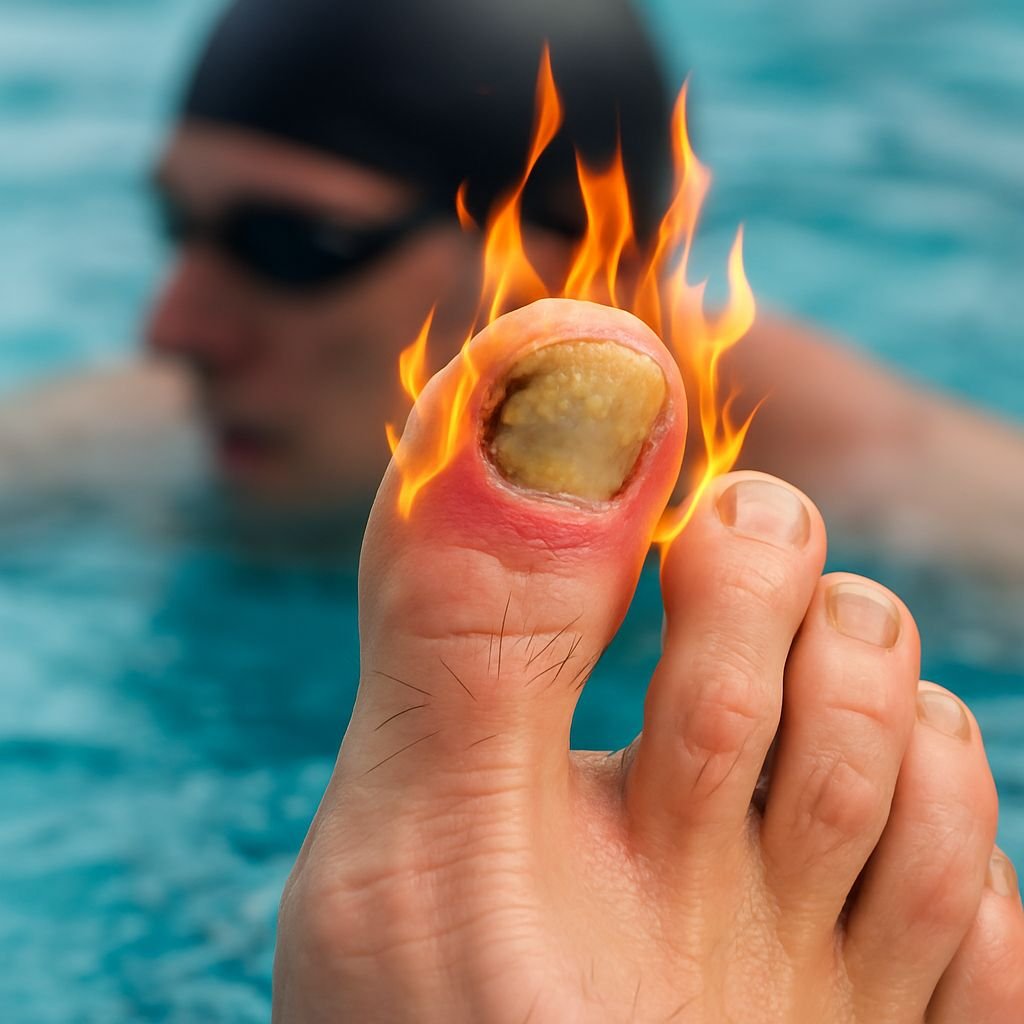
For swimmers, the most common toenail concern is fungal infections. Research indicates that swimmers are up to 30% more likely to get onychomycosis (toenail fungus) than non-swimmers. The warm, damp surroundings of pools, showers, and locker rooms are the perfect breeding grounds for fungi. These tiny organisms flourish in these environments and can easily invade the nail when the protective barrier is weakened by long-term water exposure.
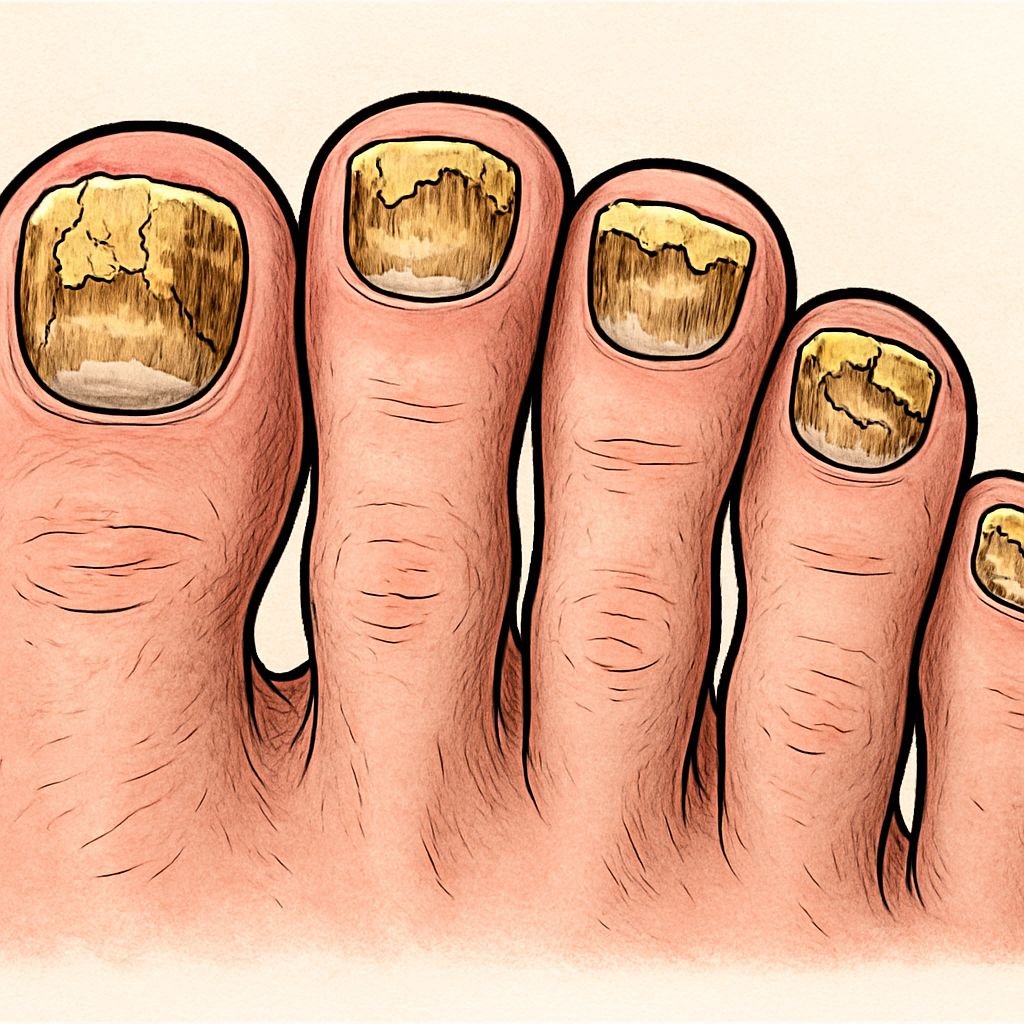
Usually, the first symptoms of a fungal infection are white or yellow spots under your toenail tip. Without treatment, these spots can gradually spread, causing your nail to thicken, discolor, and become brittle or ragged. Many swimmers mistake these early signs of a fungal infection for chlorine damage or normal wear, delaying treatment and allowing the infection to take hold more firmly. Often, early intervention with natural antifungals like tea tree oil can prevent minor infections from becoming persistent problems.
Chlorine’s Role in Toenail Discoloration and Staining
Chlorine is a necessary part of keeping pools clean, but it can also be tough on toenails. The protective lipid layer of the nail can break down with regular exposure, making the nails more porous and prone to staining. This chemical reaction often leads to a yellowish discoloration that many swimmers see as a necessary part of their sport. However, this discoloration isn’t just a cosmetic issue – it’s a sign of structural changes that can weaken the nails if not taken care of.
Chlorine exposure can cause more than just yellowing of the toenails. It can also lead to brittleness and longitudinal ridging. This is because the chemical removes the natural oils from the nail plate, leading to dehydration. This in turn makes the nails more susceptible to splitting, peeling, and breaking during athletic activities. Swimmers who train in pools with high levels of chlorine often experience these symptoms more severely. However, even normal levels of chlorine can have an impact on the health of your nails over time.
It’s fascinating to note that not all nail discoloration is a direct result of chlorine. At times, the pH changes in nails brought on by chlorinated water make for an environment where various minerals in the water attach to the nail plate, causing deep-set stains that go below the surface. This is why some discoloration remains even when swimmers take a hiatus from the pool, as these deep stains only grow out with the nail.
Damage from Kicks and Turns
One of the biggest issues for swimmers’ toenails is physical damage. The strong kicks needed for good swimming, especially in strokes like freestyle and butterfly, put a lot of stress on the toenails. The most common injury, often known as “swimmer’s toe,” happens when the nail keeps hitting the front of the swim shoe or pool wall during turns and pushes. This leads to subungual hemorrhage, or bleeding under the nail.
How Swimming Affects Your Toenails: The Biology Explained
It’s easier to understand the impact of swimming on your toenails once you understand the biology behind it. The nail plate, which is mostly made up of keratin proteins, reacts to its surroundings. This reaction starts as soon as your feet hit the water and lasts long after you’ve toweled off and left the pool.
Studies have found that nails can soak up as much as 25% of their weight in water during long periods of swimming. This absorption alters the physical characteristics of the nail, temporarily boosting flexibility while reducing structural strength. The process is similar to how wood swells and becomes more bendable when wet, only to shrink and become rigid again when dry. This cycle of hydration and dehydration, when repeated frequently, puts unique strains on the structure of the toenail.
What Happens When Nails Stay Wet Too Long
When toenails are exposed to moisture for extended periods of time, it can cause several biological reactions that ultimately harm their health. When nails stay wet for too long, the keratin fibers that give them their strength start to separate slightly. This microscopic separation creates tiny entry points for microorganisms and also weakens the nail’s natural defensive barrier.
When your toenails are exposed to moisture for extended periods, the nail bed underneath can become waterlogged and more prone to inflammation. This condition is sometimes referred to as “swimmer’s maceration.” It can create the ideal conditions for bacteria and fungi to grow between the nail plate and bed, which could result in painful infections if not treated.
Long exposure to water can also cause the nail matrix to lose its natural oils and minerals. These components are crucial for keeping the nail flexible and strong. Without them, the nails can become brittle and split, especially at the edges where the stress is greatest during swimming. A good drying routine after swimming can greatly reduce these risks.
How Chlorine Impacts Your Nails
Chlorine can interact with the proteins in your nails in a way that changes their structure permanently. This disinfectant oxidizes organic materials, including the keratin in your nails. As this oxidation process occurs, it breaks down the chemical bonds in the nail plate. Over time, this can compromise the integrity of the nail and make it more porous. When nails become more porous, they not only become weaker but also more prone to stains and infections.
On a microscopic scale, chlorine removes the natural lipid layer of the nail, which acts as a shield against environmental harm. Without this shield, nails lose moisture more quickly and become more susceptible to becoming brittle and breaking. Regular swimmers often see lengthwise ridges forming in their toenails, which is a direct effect of this continuous chemical exposure and resulting dehydration.
Comparing Salt Water to Pool Water
Those who swim in the ocean have a different set of obstacles and advantages than those who swim in pools. The high mineral content in saltwater can affect nails by creating osmotic pressure, which can actually pull moisture from the nail plate. However, these same minerals can also fortify the structure of the nail if the exposure is followed by proper hydration and care. For those concerned about nail health, exploring treatment remedies for nail issues can be beneficial.
How Swimming in the Ocean, Pool, or Lake/River Affects Your Toenails
Ocean: More minerals, naturally fights bacteria, changing temperatures
Pool: Regulated chlorine, steady temperatures, more chance of fungus
Lake/River: Contact with natural materials, natural minerals, more bacteria
It’s worth noting that the natural antibacterial properties of seawater can help prevent certain infections. However, the combination of salt and sun exposure often leads to increased brittleness in toenails. Ocean swimmers should pay particular attention to rehydrating their nails post-swim, as the dehydrating effects of saltwater can be more pronounced than chlorinated water.
5 Ways Swimming Can Improve the Health of Your Toenails
Swimming can be challenging, but it offers several unexpected benefits for toenail health when done correctly. These benefits are often overlooked, but they can greatly contribute to stronger, healthier nails for athletes who know how to get the most out of these positive effects while reducing risks.
1. Better Blood Flow to the Nail Bed
Swimming is a great way to boost your cardiovascular health, which in turn increases the blood flow to all parts of your body – including your fingers and toes. This increased circulation brings more nutrients and oxygen to the nail matrix, where new nail cells are created. This improved nutrition of the cells that create new nails leads to stronger, healthier nails over time. For those dealing with specific nail issues, exploring advanced toenail fungus treatments can also contribute to overall nail health.
When you swim, the hydrostatic pressure of the water gives your lower extremities a gentle massage, which helps to increase circulation to your feet and toes. This natural pressure therapy helps to remove toxins from the tissues around the nail bed and promotes lymphatic drainage. If you’re an athlete who suffers from poor circulation due to other conditions, swimming can be especially helpful for keeping your toenails healthy.
2. Lower Impact Results in Less Trauma
Swimming is a low-impact activity, unlike high-impact activities like running or basketball. This means that swimming puts less stress on your feet and toenails. This reduced impact results in fewer traumas from your feet repeatedly hitting against your shoes, which is a common cause of nail damage in other sports. If you’re an athlete recovering from a toenail injury, swimming is a great way to stay fit while letting your injured nails heal.
Because water is buoyant, it can reduce the pressure of body weight on the feet by up to 90%. This significantly reduces the compression forces on toenails. As a result, nails that have started to thicken or become distorted can potentially return to their normal growth pattern. Many foot doctors suggest swimming as part of the treatment for athletes who have chronic toenail problems.
Resistance from the water helps to build up the muscles around the nail bed, while not subjecting the nails to any harsh impact. This overall strengthening helps to grow healthier nails by improving the structure of the whole toe, making the best conditions for the nails to grow. For those dealing with nail issues, consider exploring vinegar foot soaks for nail health as a natural remedy.
3. Resistance Training Strengthens the Nail Matrix
- Water provides natural resistance that strengthens foot muscles
- Improved blood flow to the nail matrix from stronger intrinsic foot muscles
- Repeated gentle stress on nails from kicking stimulates stronger growth
- Adaptational responses in the nail bed from varying kick intensity
The nail matrix, which is the hidden part of your nail beneath the cuticle where growth starts, responds positively to the gentle stress of swimming. The nail matrix becomes more robust when subjected to the right amount of stimulation, just as muscles grow stronger with appropriate resistance training. The water resistance encountered during kicking provides this ideal level of stress without the damaging impact of land-based exercises.
Studies have shown that regular swimming can improve the health of your toenails. The nail matrix, which produces keratin proteins, seems to work better when it’s exposed to the different stresses that come with swimming. Keratin proteins are the foundation of strong, healthy nails. Shoes worn for running can compress toenails in a consistent way, but swimming creates forces from many different directions, which can promote more uniform growth in nails.
Swimming strokes are rhythmic, which means they create periods of work and recovery for the nail matrix. This is similar to the effective training principles used for muscle development. Over time, this pattern strengthens the cells responsible for nail formation at their source. This results in healthier nails that grow with more structural integrity.
It’s not uncommon for seasoned swimmers to sport unusually strong toenails, a testament to the years they’ve spent perfecting their nail care routine. This is an example of how the nail matrix adjusts to the specific needs of aquatic training, resulting in nails that are more durable and better equipped to handle the regular conditions of swimming.
4. Natural Skin Exfoliation
The movement of water during swimming naturally exfoliates the skin around the toenails. This constant washing action helps stop the accumulation of dead skin cells that can trap moisture and create a breeding ground for bacteria and fungi. Healthier skin around the toenail creates a better barrier against infection and allows the nail to grow without being obstructed by built-up debris.
5. The Importance of Stress Reduction for Nail Health
Swimming is a great way to reduce stress and improve nail health. High levels of stress hormones like cortisol can interfere with the production of keratin, a protein that’s essential for healthy nails. When you swim, your body releases endorphins that lower stress hormone levels. Plus, the rhythmic breathing and gentle movements associated with swimming can have a meditative effect. Together, these factors create the perfect environment for your nails to grow strong and healthy.
The state of your mental health can have a direct impact on your physical health, including the health of your nails. Swimmers often find that their nails are in better condition when they are training regularly, which can be partly due to the fact that they are less anxious and sleeping better. This connection between the mind and the body is one of the most underrated benefits of swimming when it comes to the health of your nails, but it could be one of the most important for keeping your nails healthy in the long run.
Long-Lasting Moisture Protection for Your Workout
For swimmers looking to protect their toenails during long bouts in the water, creating a good moisture barrier is key. Traditional petroleum-based products tend to wash off quickly and offer limited protection during long workouts. Instead, opt for silicone-based products specially designed for water resistance. These create a breathable barrier that prevents too much moisture from being absorbed while still allowing the nail to breathe naturally.
The newest development in nail protection is nano-ceramic barriers. These tiny particles temporarily attach to the nail surface and form a water-resistant shield that can withstand even the most intense workouts. If applied correctly, these barriers can reduce water absorption by up to 70% while still allowing for necessary air exchange. This balance is key to preventing the nail from becoming too brittle from being completely sealed.
Swimmers who are sensitive to synthetic ingredients can use natural wax-based alternatives. A mixture of beeswax, jojoba, and tea tree oils creates a water-resistant coating with antifungal properties. Apply a thin, even layer of the mixture, focusing on the free edge and sides of the nail where water usually gets in. Wait five minutes for the mixture to bond properly before getting in the water.
For the best results, pair your moisture barrier with a specific pre-swim routine that involves completely drying your feet, applying the barrier product, and then waiting the full recommended time before getting in the water. If your swim session lasts longer than two hours, especially in heated pools where the nails absorb more water as the temperature rises, you may need to reapply the product.
- Apply barriers to completely dry, clean nails at least 10 minutes before swimming
- Focus application on nail edges and undersides where water penetrates first
- Choose silicone-based formulas for competition and longer sessions
- Natural wax-based options work best for regular training and sensitive skin
- Reapply after extended sessions or when training multiple times daily
When to See a Podiatrist About Swimming-Related Nail Issues
While many toenail conditions can be effectively managed with proper self-care, certain situations warrant professional attention. Consulting with a podiatrist who understands athletic-specific nail concerns can prevent minor issues from developing into significant problems that might interfere with your training schedule. The right specialist will provide treatments that address immediate concerns while supporting your ability to continue swimming with appropriate modifications.
Red Flags You Shouldn’t Overlook
If you notice your nail color persistently changing and it doesn’t grow out, especially if it’s accompanied by a change in texture or pain, you should seek a professional evaluation. If your nails are thickening, separating from the nail bed, or showing any signs of infection such as increased warmth, redness around the nail, or discharge, you need to get them checked out immediately. Runners might overlook these symptoms and keep training, but swimmers are at a unique risk because of the infectious environment of shared water spaces. A small infection can quickly get worse with continued exposure to pool conditions, potentially keeping you out of the pool for weeks instead of days if you delay treatment. For natural remedies, consider exploring vinegar foot soaks for nail health to help manage early signs of infection.
What to Do About Damaged Nails
Today’s podiatrists have a range of tools at their disposal to help swimmers with nail problems, from conservative to advanced interventions. Prescription-strength topicals are more effective than over-the-counter options for fungal infections, with new formulations designed to penetrate even thickened nails. These treatments often combine antifungal agents with nail-strengthening compounds to support the regrowth of healthy nail tissue as the infection clears. For more natural solutions, consider exploring vinegar foot soaks as a potential remedy.
Laser therapy is a good alternative for treating persistent fungal infections without the systemic side effects that oral medications sometimes have. This is especially beneficial for competitive swimmers who can’t afford to take time off from training. The concentrated light energy kills fungal organisms and stimulates circulation to the nail bed, which could speed up healing and encourage stronger regrowth.
Repeated trauma can cause structural damage to your toenails. However, you can redirect how your nail grows with matrix modification procedures. This minor procedure can be done in the office and can address issues like ingrown or thickened nails. After the procedure, you can typically swim with appropriate protection within days. This is a shorter recovery time than more invasive treatments, which can take weeks.
How Swimming Can Be a Part of Your Total Foot Health Plan
When combined with the right care techniques, swimming can be a part of a total approach to foot and nail health. The unique blend of gentle resistance, increased circulation, and stress reduction makes swimming an ideal exercise for maintaining strong, healthy toenails. By using the preventative strategies mentioned in this article, addressing issues as they arise, and working with healthcare providers who understand the needs of athletes, swimmers can reap all the benefits of their sport while also maintaining the best toenail health. For individualized advice on incorporating natural nail care into your swimming routine, CorrectToes offers consultation services specifically designed for swimmers.
Common Questions
These are the questions we hear most often from swimmers about toenail health. Knowing the answers can help you take steps to prevent problems and know when you might need to see a doctor. Keep in mind that how much you swim, the condition of the pool or other body of water where you swim, and your body’s own makeup can all affect how swimming impacts the health of your nails.
Speaking with experts who know about both foot health and the needs of athletes can give you more tailored advice for your situation. CorrectToes works with athletes in a variety of water sports to create personalized nail protection plans that go along with training plans and keep feet healthy.
How long does it take for toenail damage from swimming to heal?
The time it takes for toenail damage to heal can vary greatly depending on the type and severity of the damage. Minor discoloration may go away within 3-4 weeks as the nail grows out, while structural damage from trauma usually requires 6-12 weeks for the affected part to be completely replaced. Fungal infections take the longest to heal, often requiring 6-12 months for the nail to grow out completely clear, even with consistent treatment. During this healing phase, it is usually possible to continue swimming with the right protective measures, although competitive athletes should work with their podiatrist to develop training modifications that will not hinder recovery.
Is it safe to swim with false nails or nail varnish?
Swimming with nail enhancements can cause extra problems for the health of your toenails. Regular nail varnish creates a semi-permeable barrier that can trap water against the nail plate after you’ve been swimming. This can increase the risk of fungal infections. If you want to use nail varnish, choose one that’s water-permeable and labelled as ‘breathable’. This will let water evaporate more effectively after you’ve been swimming. For more tips on maintaining healthy toenails, consider consulting additional resources.
Here are some tips to keep your toenails healthy:
- Regularly remove your nail polish to check the health of your nails
- Use breathable nail polish that is specifically designed for athletes
- Avoid using artificial nail extensions because they can trap bacteria and fungi
- Use a clear antifungal nail polish as a protective base layer
- Never use nail polish to hide discolored nails or other warning signs of a problem
Artificial nail extensions are generally not recommended for swimmers because they increase the risk of infection. The area where the natural nail and the extension meet can trap bacteria and fungi. Also, the glue that holds the extension in place can weaken when it is exposed to water repeatedly. This can cause the extension to lift away from the natural nail, which increases the risk of infection.
If you’re a swimmer who likes the look of nail enhancements, you might want to think about going for a shorter, more natural look like a strengthening overlay instead of extensions. These treatments can provide strength without the issues that come with the seams of traditional fake nails. Be sure to let your nail technician know that you swim so they can suggest the right products and methods.
It’s generally a good idea for competitive swimmers to steer clear of nail enhancements during their competitive seasons. The potential risks to the health of their nails and their performance just aren’t worth the aesthetic benefits, especially when even minor nail damage could quickly get worse with continued exposure to water. Instead, concentrate on treatments that strengthen your natural nails and protective barriers that support both your performance and the integrity of your nails.
Do certain swim strokes lead to more toenail issues?
The butterfly and breaststroke are usually the culprits behind most toenail problems due to their strong kicking methods. The butterfly’s dolphin kick puts a lot of pressure on the front of the feet during the downbeat phase, and the breaststroke’s whip kick can put side pressure on the big toenail during the propulsive phase. The freestyle and backstroke don’t usually cause as many direct nail problems, but the constant kicking can still lead to cumulative stress, especially during sprint training when the intensity of the kick dramatically increases.
Swimmers who focus on a specific stroke should create a personalized nail protection plan that addresses the unique stresses they face. For example, those who specialize in the butterfly stroke may benefit from reinforced toe caps during intense training periods, while breaststrokers may need extra protection on the sides of their nails. A sports podiatrist who understands swimming biomechanics can help identify your unique pressure points and create a specific protection plan.
How can I tell if I have swimmer’s toe or something more serious?
The classic signs of “swimmer’s toe” are a painless or slightly tender dark color under the nail. This typically happens after intense training sessions that involve powerful kicks or turns. This is known as a subungual hematoma and is caused by small blood vessels breaking between the nail plate and bed due to impact. The dark color usually grows out with the nail and goes away without treatment if you adjust your swimming technique to reduce impact. But if you have ongoing pain, the dark color spreads, or the nail plate looks deformed, you might have a more serious condition and should get it checked out by a professional.
It can be difficult to tell the difference between swimmer’s toe and a fungal infection, as both can cause your toenail to change color. However, there are a few key differences. Trauma usually causes a clearly defined blood spot, while a fungus causes more diffuse yellowing or whitening. Thickening is common with a fungus, but rare with simple trauma. The timing relative to when you were swimming can also be a clue. If you’re not sure, it’s best to see a sports medicine specialist or a podiatrist who is familiar with conditions related to swimming. They can make sure you get the right diagnosis and treatment.
Is there a difference in the impact on toenails between swimming in natural bodies of water and pools?
Swimming in natural bodies of water versus chlorinated pools does have different effects on toenails. The high salt concentration in ocean water can strengthen the toenail plate due to mineral deposits, but over time it can also make the nails brittle. The natural antibacterial properties in seawater can help reduce the risk of certain infections. Sand is a great natural exfoliator for the skin around the nails, which can help reduce the risk of fungal infections.
Swimming in freshwater lakes and rivers exposes you to different microbes than swimming in chlorinated pools. These environments often contain beneficial minerals but may also contain unique bacteria and fungi that you wouldn’t typically find in treated water. If you swim in these environments, you should make sure to clean yourself thoroughly after swimming and consider using antifungal preventatives that protect against a wider range of organisms.
