 Nail Fungus Cures Instant Cures for Painful Nails and Fungus
Related Articles

Important Points
- Tea tree oil is the most effective essential oil for nail fungus because of its strong antimicrobial, antibiotic, and antiseptic properties.
- Making homemade blends with multiple essential oils can increase effectiveness against stubborn nail fungus through combined effects.
- It is important to properly dilute with carrier oils for safety when applying essential oils to infected nails.
- Regular application over several months is usually necessary as nail fungus treatments need consistency for complete healing.
- VineVida provides high-quality essential oils specifically chosen for their strong antifungal properties to support your natural healing journey.
Why Essential Oils Are Your Secret Weapon Against Persistent Nail Fungus
Nail fungus can be stubbornly persistent. Those yellowed, brittle nails aren’t just unsightly—they can be painful and potentially lead to more serious infections if left untreated. Traditional treatments often involve harsh chemicals or prescription medications with concerning side effects, leading many to seek natural alternatives. VineVida understands this struggle and provides high-quality essential oils that harness the antifungal power of nature without the harsh chemicals.
Essential oils are a potent, nature-based solution for combating fungal infections due to their intricate chemical structures. These concentrated plant extracts are packed with powerful compounds that can get through the nail plate and attack the fungus right at the source. The reason essential oils are so effective is because they can handle multiple facets of infection at the same time—they can kill fungi, decrease inflammation, and fortify the surrounding tissue to stop reinfection from happening.
What’s really amazing is the way essential oils can address the problems of resistance that often come up with traditional treatments. Synthetic antifungals can become less effective over time as fungi adapt to them, but essential oils have dozens of active ingredients that work in different ways, so it’s nearly impossible for fungi to develop resistance to them. This makes them a powerful weapon in your fight for healthy nails, especially when they’re blended in ways that make the most of their healing properties.
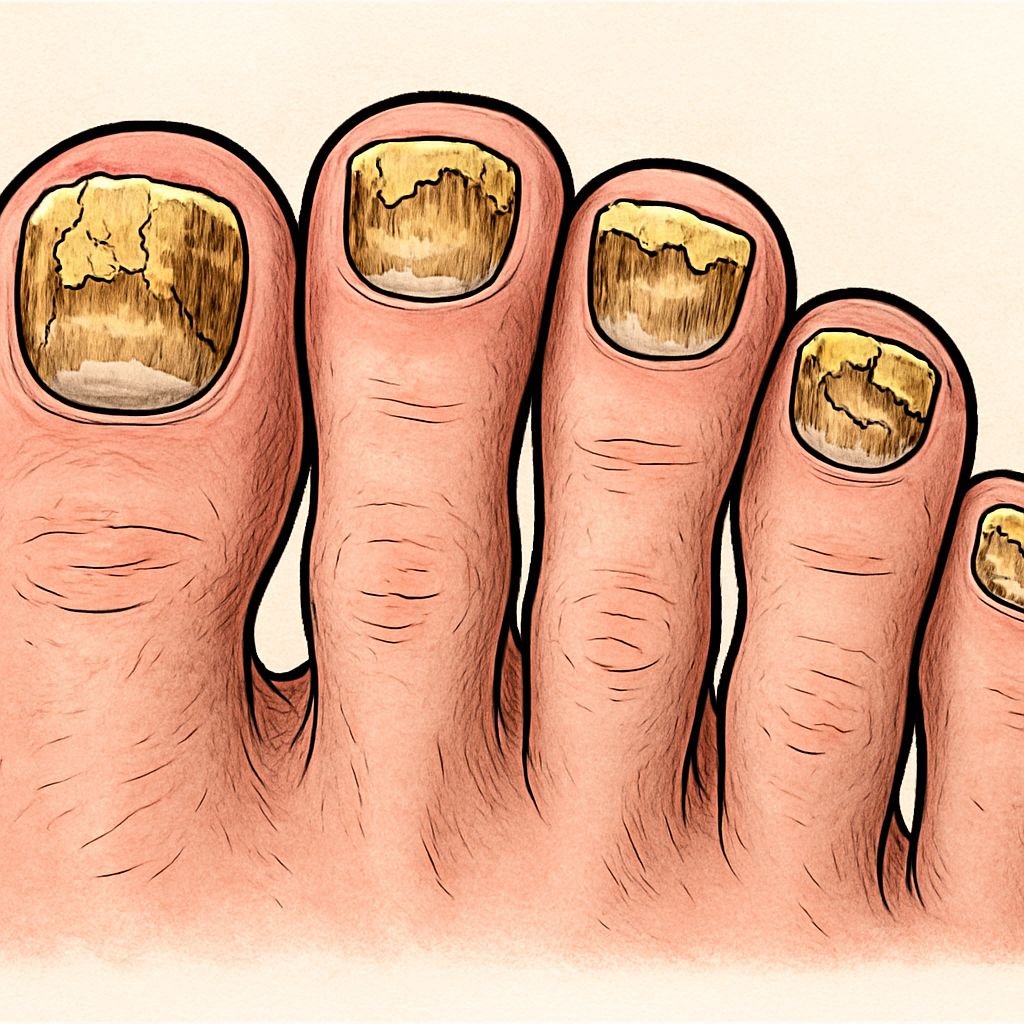
Top 10 Essential Oils to Combat Nail Fungus
When it comes to battling stubborn nail fungus, not all essential oils are equally effective. Some oils have proven to be more powerful antifungal agents than others, according to extensive research and clinical experience. These ten oils are your best natural defense against persistent nail infections. For example, tea tree oil is well-known for its potent antifungal properties.
1. Tea Tree Oil – The Antifungal Superstar
Tea tree oil has earned its place as the go-to solution for nail fungus treatment. This Australian native is packed with potent compounds like terpinen-4-ol that can reach deep into the nail bed and wipe out fungal cells. A 2013 study in the Journal of Family Medicine and Primary Care showed that tea tree oil was effective against the Trichophyton rubrum fungus, the most common culprit of nail infections. For the best outcome, apply diluted tea tree oil (1:1 with a carrier oil) directly to affected nails twice a day, ensuring you cover the nail bed, under the nail tip, and surrounding skin.
2. Oregano Oil – A Natural Antifungal
Oregano oil is a potent antifungal, thanks to its high concentration of carvacrol and thymol. These two phenols are known for their strong antifungal properties. This oil is so powerful that it must always be properly diluted before use—usually 2-3 drops mixed with a tablespoon of a carrier oil. Oregano oil is particularly useful because it can combat even resistant strains of fungus that have become immune to traditional medications. The warming sensation it produces when applied can also improve blood flow to the infected area, which could speed up healing and help your body’s natural defenses reach the site of the infection.
3. Clove Oil – Powerful Antimicrobial Qualities
In a 2007 lab study, clove oil proved to be a powerful antifungal, showing its ability to stop different types of fungi from growing under test conditions. Eugenol, a compound found in clove oil, damages the membranes of fungal cells and stops the growth of fungal spores. Besides its direct antifungal effects, clove oil also helps the immune system and encourages the growth of healthy new nail tissue. This two-pronged approach makes it especially useful for long-term infections that have damaged the nail structure.
4. Thyme Oil – Powerful Against Persistent Strains
Thyme essential oil is packed with thymol, a compound that has outstanding antifungal properties that can even tackle the most persistent infections. A clinical study conducted in 2012 found that 3% of participants who used thyme oil saw a significant improvement in their fungal skin conditions, which included nail infections. The oil functions by breaking down the cell wall and membrane of the fungal organisms, causing them to crumble and perish.
Thyme is unique due to its power to combat Candida albicans, which can occasionally be the cause of nail infections that are resistant to other treatments. As such, thyme is a great ingredient to add to blends for especially stubborn cases.
5. Cinnamon Oil – A Powerful Fungicide
- Contains cinnamaldehyde, a compound that directly attacks fungal cells
- Boosts circulation to infected areas, enhancing the delivery of necessary nutrients for healing
- Creates an environment that is hostile to fungal regrowth
- Has been proven to inhibit 65 types of fungi in lab tests
6. Peppermint Oil – Soothing Coolness with Antifungal Advantages
Peppermint oil brings more to the table than just its invigorating fragrance—it contains menthol, which provides a cooling relief for the itchiness and burning often associated with fungal infections. While not as potent as some of the other oils on this list, peppermint oil boasts noteworthy antifungal, antimicrobial, and anti-inflammatory properties that make it particularly helpful for infections that cause discomfort. It also helps to neutralize foot odor, a frequent side effect of nail fungus.
7. Lavender Oil – Soft but Powerful
Lavender oil is the ideal blend of being soft on the skin but powerful against infections, making it perfect for people with sensitive skin. A detailed study in the Journal of Medical Microbiology found that lavender oil has potent antifungal properties against the fungi responsible for many skin and nail infections. It also has calming properties that can help alleviate the stress and anxiety that can come with long-term infections, especially when they affect nails that are easy to see. Regular use of lavender oil can help fight off the fungal infection and promote the growth of new, healthy nail tissue.
8. Lemon Oil – A Fresh and Effective Solution
Lemon essential oil is packed with powerful components that can sink deep into the skin and nail bed. This ability to get to the fungi that lurk beneath the nail plate makes lemon oil an excellent choice for hard-to-treat infections. Its natural astringent properties help to firm up the tissues around the nail, making it harder for fungi to thrive. The fresh, clean scent of lemon oil also makes it a lovely addition to foot baths and topical mixtures.
9. Eucalyptus Oil – Gets Through Thick Nails
Eucalyptus oil is great at getting through thickened nails, which is a common sign of fungal infections. Its main ingredient, eucalyptol, has been found to break down keratin debris that can gather under infected nails. This helps other antifungal compounds get to the source of the infection. The unique camphoraceous smell also helps cover the bad smell that can come with nail fungus.
10. Lemongrass Oil – Extended Defense
Lemongrass oil is rich in citral and geraniol, two compounds known for their strong antifungal and antibacterial properties. A key feature of lemongrass is its longevity—it keeps working well after it has been applied, making it hard for fungi to regrow. Plus, its refreshing, invigorating aroma is a nice extra, especially when dealing with foot fungus that might have a smell.
5 Effective Essential Oil Blend Recipes for Nail Fungus
While individual oils can provide substantial benefits, their effectiveness can be boosted when combined strategically. These meticulously formulated combinations tackle nail fungus from various perspectives, enhancing your chances of completely getting rid of it. Each blend below tackles different aspects of fungal infections, from aggressive primary treatment to calming irritated skin and preventing reinfection.
Thieves Oil Blend – A Medieval Cure with Contemporary Effects
The Thieves oil blend originated in the medieval era where, allegedly, spice merchants utilized this mixture to safeguard themselves during the plague. Contemporary studies validate the powerful antifungal characteristics of this legendary concoction. Mix 10 drops of clove oil, 5 drops of lemon oil, 5 drops of cinnamon bark oil, 3 drops of eucalyptus oil, and 3 drops of rosemary oil with 2 tablespoons of carrier oil. The numerous methods of action in this blend generate an inhospitable environment for fungi while boosting your body’s natural defenses. For more natural remedies, you might explore instant toenail fungus home remedies that offer quick solutions.
Threefold Blend – Tea Tree, Oregano, and Lavender
This potent mix takes advantage of the robust antifungal properties of tea tree and oregano oils, while lavender aids in calming irritation and encouraging the growth of healthy nails. Combine 10 drops of tea tree oil, 5 drops of oregano oil, and 8 drops of lavender oil with 2 tablespoons of coconut oil (which also possesses antifungal properties). Apply this blend to the affected nails twice daily, massaging it into the nail bed and surrounding skin. This threefold approach simultaneously eliminates fungi, reduces inflammation, and fosters the growth of new healthy nails—making it one of the most all-encompassing natural treatments available.
Deep Penetration Formula – For Stubborn Infections
If you’re dealing with a stubborn fungal infection, especially one that has thickened the nail, this penetrating blend is designed to break through barriers and deliver potent antifungals deep into the infection site. Combine 8 drops of eucalyptus oil, 6 drops of tea tree oil, 4 drops of thyme oil, and 3 drops of peppermint oil with 1 tablespoon of jojoba oil and 1/2 teaspoon of DMSO (dimethyl sulfoxide) as a penetration enhancer. This powerful formula works best when applied after lightly filing the nail surface with a sterile emery board and soaking the affected area in warm water for 5 minutes to open pathways for the oils to penetrate.
Relief Blend – For Pain Caused by Fungus
Nail fungus can cause pain, especially as it progresses or during aggressive treatments. This blend addresses pain while continuing to fight the infection. Mix 7 drops of lavender oil, 5 drops of peppermint oil, 5 drops of chamomile oil, and 3 drops of tea tree oil with 2 tablespoons of aloe vera gel and 1 tablespoon of fractionated coconut oil. The cooling, anti-inflammatory properties provide immediate relief while the antifungal properties continue to work against the infection, making treatment more comfortable and sustainable in the long run.
Prevention Blend – Keep Fungus at Bay
Once you’ve gotten rid of a nail fungus infection, the last thing you want is for it to come back. Unfortunately, the chances of reinfection are pretty high. This prevention blend is designed to make your nails a no-go zone for any fungi looking to set up shop. Mix 6 drops of lemongrass oil, 6 drops of tea tree oil, 4 drops of clove oil, and 3 drops of lemon oil with 2 tablespoons of neem oil (which also has antifungal properties). Rub this mixture onto the nails that were previously infected and the nails around them once a day, especially after you’ve been somewhere you could have been exposed to fungus, like a swimming pool or a gym, or after you’ve had closed-toe shoes on for a while. The oils in this blend will help keep your nails safe from reinfection.
Maximizing Results with Carrier Oils and Application Techniques
The success of essential oils in treating nail fungus doesn’t just depend on the oils you choose, but also on how you apply them. The right carrier oils and application methods can greatly improve the absorption of the oils into the nail bed, where the fungus resides. Using the correct techniques could be the difference between a temporary surface relief and completely eliminating the fungal infection.
Top Carrier Oils for Fungal Infections
Not all carrier oils are equal in their effectiveness against nail fungus. Coconut oil is a top pick because of its natural antifungal properties from medium-chain fatty acids, especially lauric acid. Neem oil also has potent antifungal effects that can enhance your essential oil blend. Jojoba oil is similar to human sebum and can carry essential oils beneath the nail surface for deeper penetration. Olive oil is a balanced option with mild antifungal properties and great skin conditioning benefits. Castor oil’s thick consistency helps the treatment stay in contact with the infected area longer, extending the therapeutic effects.
How to Apply Essential Oils Directly
For the best results, you need to prepare your nail properly. First, trim the infected nail as short as you can without hurting yourself. Then, use a clean emery board to file the surface gently. This creates tiny channels that allow the oil to penetrate the nail. To help the oil absorb better, soak the affected nail in warm water with 1/4 cup of apple cider vinegar for 5-10 minutes before applying your oil blend. This softens the nail and changes the pH to make it less welcoming to fungi.
When you are applying your essential oil blend, make sure to use a clean cotton swab, disposable brush or a dropper. This is to avoid contaminating your main blend. Make sure to apply the oils not just on top of the nail, but also underneath the free edge and into the surrounding cuticle and skin. This is because fungi could be present in these areas. To get the best results, apply your blend twice a day, in the morning and in the evening. Also apply it after any potential exposure to moisture or fungal reservoirs like public showers.
Soaking Your Feet and Hands to Treat a Widespread Infection
If the infection has spread to multiple nails or to the skin surrounding the nails, you may want to consider a therapeutic soak. You can create an antifungal soak for your hands or feet by adding 15-20 drops of your chosen essential oil blend to a basin filled with warm water. Also add 1/2 cup of Epsom salts and 1/4 cup of apple cider vinegar. Soak the affected area for 15-20 minutes. The essential oils will penetrate the nail bed from all angles. The Epsom salts will help to draw toxins out of the tissue. The vinegar will create an acidic environment that is not conducive to fungal growth. After you finish soaking, make sure to dry the area thoroughly. Then, apply your direct oil blend. This will give you a powerful one-two punch against stubborn nail fungus.
Why These Oils Work: A Look at the Science
Essential oils are more than just a natural remedy for nail fungus. They’re proven to be effective, and science can explain why. These oils, which are plant extracts, contain complex compounds that can fight fungal organisms in a variety of ways at the same time. This makes them especially useful for stubborn infections. By understanding the science behind these oils, we can see why they can be successful where traditional medications have not been.
Essential oils can help fight nail fungus in a couple of ways. Some of the compounds found in essential oils, like terpenes, phenols, and aldehydes, can actually break down the cell membranes of the fungus, which causes the cells to lose their vital components and eventually die. Other compounds in the essential oils can inhibit the enzymes that the fungus needs to survive or prevent the fungus from forming biofilms, which are protective layers that can shield the fungus from treatments.
How Essential Oils Get Through the Nail Plate
One of the most difficult parts of treating nail fungus is getting the active ingredients through the thick keratin structure of the nail plate to get to the fungus underneath. Essential oils are great at this because of their lipophilic nature—they’re naturally attracted to and can dissolve in the fatty substances in both the nail plate and skin. This lets them get through barriers that water-based treatments can’t get through. The small size of essential oil compounds also helps them get into the tiny spaces within and under the nail where fungi live.
Some essential oils can temporarily change the structure of the nail keratin, allowing for deeper penetration. For example, tea tree oil contains terpinen-4-ol, which can temporarily separate the tightly bonded keratin proteins, allowing the antifungal components to reach deeper layers where the infection is. This ability to penetrate is particularly useful for treating onychomycosis (nail fungus) because the infection usually starts in the nail bed under the protective nail plate.
Fungus-Fighting Components
Essential oils contain unique compounds that are incredibly effective at killing fungi. For example, clove oil contains eugenol and thyme oil contains thymol, both of which can damage the cell membranes of fungi by blocking the synthesis of ergosterol, a substance fungi need to maintain the structure of their cell walls. Cinnamaldehyde, found in cinnamon oil, can inhibit the formation of cell walls and the activity of enzymes that are crucial for the metabolism of fungi. This is a stark contrast to conventional antifungal treatments, which usually target a single metabolic pathway that fungi can eventually learn to bypass.
Essential oils are especially potent because of their synergistic action. This means that when multiple compounds are combined, they can often create a more powerful effect than if they were used individually. Take the combination of 1,8-cineole in eucalyptus oil and terpinen-4-ol in tea tree oil, for example. Together, these two compounds create a stronger antifungal effect than if they were used on their own. This is why blends of essential oils are often more effective than treatments that only use one oil, according to clinical practice.
What to Expect When Using Essential Oils: A Timeline of Healing
Whether you’re using traditional treatments or natural remedies, dealing with nail fungus requires patience and consistent application. Knowing what to expect during the healing process can help keep you motivated, even when it seems like it’s taking forever. Remember, everyone’s healing process is different and depends on how severe the infection is, how fast your nails grow, and how consistently you apply your chosen treatment.
Week One: The Beginning
Don’t expect to see any changes in your infected nail during the first week of treatment. You might, however, notice that the skin irritation around your nail gets better, and any itching or burning you’ve been feeling starts to go away. This happens because the anti-inflammatory compounds in essential oils are treating these secondary symptoms while the antifungal compounds start to work on the fungus itself. The smell that often comes with nail fungus might also start to go away during this time, which is a good sign that the treatment is starting to work on the fungus. For additional information on effective treatments, you can explore this guide on toenail fungus remedies.
Weeks 2-4: Signs of Visible Improvement
During the second to fourth week, subtle changes in the infected nail may start to be noticeable. The yellowing or discoloration may slightly lessen around the edges where new, healthy nail growth is starting. Some of the surface debris may become easier to remove as the essential oils start to break down the fungal biofilms. Improvements in texture often come before changes in color, with the nail becoming slightly less brittle or thick in the areas that have been treated. These early visual improvements, while small, show that your essential oil treatment is working.
By maintaining a twice-daily routine, you should see the infection’s spread stop around this time. To track these subtle changes that might not be noticeable from day to day, take weekly comparison photos. Keep in mind that the nail matrix (base) is where improvement starts and grows outward with the nail, so even as you start to see positive changes, patience is still key.
First to Third Month: Ongoing Treatment
The first three months are a pivotal stage in your treatment process. As your nail begins to grow, you can clearly see the contrast between the new, healthy growth at the base and the infected part. The boundary where the healthy nail meets the infected nail is a clear indicator of your progress. Despite this progress, it’s important to keep treating the whole nail because fungal spores can still be dormant in parts of the nail that appear to be healthy.
While you’re using these essential oil blends, you might find that the part of your nail that’s infected becomes more fragile, and sometimes it’s easier to cut. This happens because the essential oils dissolve the fungi and the damaged keratin, which lets you slowly remove the infected parts as your healthy nail starts to grow. Try to avoid the urge to cut or file too much into the nail bed, because you could hurt yourself and potentially get other infections.
The Full Nail Healing Process
Replacing an infected toenail with a healthy one usually takes 6-12 months. This depends on how fast your nails grow and how bad the infection is. Fingernails usually heal faster, often showing full healing within 3-6 months with consistent treatment. It’s very important to keep using your essential oil treatment even after your symptoms get better. If you stop too soon, the infection can come back. The hardest part of healing is keeping up with the treatment during months 3-6. This is when you can see improvement but you might get tired of the treatment. For additional tips, explore toenail fungus treatment remedies that can support your healing journey.
When the whole nail grows out clear and healthy, with a normal thickness, color, and texture, you can consider the final healing phase complete. Even after achieving this milestone, it’s a good idea to continue with a maintenance protocol that includes diluted essential oils 2-3 times a week for another month. This helps to eliminate any remaining fungal spores. This thorough approach significantly reduces the chances of the fungus returning, which can be as high as 50% without proper follow-through.
Ensuring Safety and Following Dilution Instructions
Essential oils are potent, concentrated plant extracts that can help combat nail fungus, but they need to be used with care. It’s important to follow safety guidelines to avoid skin irritation or other negative reactions, and to ensure that you’re getting the most therapeutic benefit from the oils. When treating nail fungus, it’s especially important to dilute the oils properly. This is because you need to strike a balance between effectiveness and safety, especially if you’re going to be using the oils for a long period of time.
How Much Essential Oil Blend to Use Depending on the Severity of the Infection
If you’re dealing with a mild infection that only affects a small part of your nail, a 2% dilution should be enough to kill the fungus without irritating your skin. This is about 12 drops of essential oil blend for every tablespoon (15ml) of carrier oil. If you have a moderate infection that’s causing noticeable changes to your nail like thickening or discoloration, you might need a 5% dilution. This is about 30 drops for every tablespoon of carrier oil. And if you’re dealing with a severe infection, especially one that hasn’t responded to other treatments, you might need a 10% dilution. This is up to 60 drops for every tablespoon of carrier oil. Start with a lower concentration and only increase it if you’re not seeing results and your skin isn’t getting irritated. Higher concentrations are more effective, but they’re also more likely to irritate your skin.
Testing for Skin Sensitivity
Before using any essential oil blend on your infected nail, it’s a good idea to do a simple patch test to see how your skin reacts. Mix your chosen blend at the concentration you plan to use and apply a small amount to the inside of your forearm. Cover it with a bandage and wait 24 hours, checking for any redness, itching, burning, or other signs of irritation. If you notice any negative reaction, you can either lower the concentration more or think about using different essential oils in your blend. Even if you’ve used essential oils in the past without any problems, it’s still a good idea to do this test because sensitivities can develop over time or with different combinations of oils. For more insights on natural remedies, you might explore vinegar foot soaks for nail health.
When Not to Use Certain Oils
Despite their antifungal benefits, there are situations when specific essential oils should be avoided. Oregano, thyme, and cinnamon oils should not be used by those who are pregnant or nursing, as they contain compounds that could disrupt hormonal balance. Rosemary and sage oils should be used with caution by those with epilepsy or seizure disorders, as they contain camphor which could potentially trigger seizures in susceptible individuals. Those with hypertension should limit or avoid stimulatory oils like rosemary, thyme, and cinnamon which could temporarily raise blood pressure. If you have sensitive skin or skin conditions like eczema, start with milder options like lavender or tea tree at lower concentrations before introducing potentially more irritating oils like oregano or clove.
How to Increase the Effectiveness of Your Essential Oil Treatment
Essential oils work best when combined with lifestyle changes that make it hard for fungus to grow. By adding these changes to your routine, you can increase your chances of getting rid of nail fungus for good and stopping it from coming back. This holistic approach not only treats the infection, but also the conditions that led to the infection in the first place.
Think of your treatment plan as a three-step process: using essential oils for their direct antifungal properties, creating an external environment that fungus hates, and boosting your body’s own defenses against infection. This three-pronged approach is much more effective than any one of these methods alone, especially when it comes to stubborn or recurring nail fungus.
Footwear and Hygiene
The conditions in which your nails are kept can play a significant role in either promoting or preventing the growth of fungus. It is recommended to wear shoes that are made from natural materials and allow for air flow to reduce the build-up of moisture, which is an ideal environment for fungus. Consider using multiple pairs of shoes and allowing each pair to dry completely before wearing them again, and consider using sprays that contain antifungal essential oils inside your shoes. Change your socks at least once a day, and consider using socks made from materials like wool or blends designed for athletes that wick away moisture, rather than cotton, which retains moisture. After bathing, make sure to dry thoroughly between your toes and under your nails, and consider using a separate towel for your feet to prevent spreading the infection to other parts of your body or to other people.
Changing Your Diet to Speed Up Recovery
- Cut back on refined sugars and simple carbohydrates, which can feed fungi
- Eat more foods that are rich in probiotics, such as yogurt, kefir, and fermented vegetables, to help balance your microbiome
- Add antifungal foods like garlic, coconut oil, olive oil, and oregano to your meals
- Make sure you’re getting enough protein, which is necessary for nail regeneration and immune function
- Take supplements like zinc, biotin, and vitamin D to promote healthy nail growth
Your diet can have a big impact on how quickly your nails grow and how well your immune system can fight off fungal infections. The typical Western diet is high in refined carbohydrates and sugars, which can create an environment where fungi can thrive. By changing your diet, you can make it harder for fungi to grow and help your body fight off infections and regenerate your nails more quickly.
Probiotics are very important because they help to keep the balance of microorganisms in your gut and throughout your body. Having a healthy microbiome can help to stop fungi from being able to get a foothold. If you can’t get enough from your diet, you might want to consider taking a high-quality probiotic supplement.
Keeping hydrated is also key to maintaining healthy nails and fighting off fungal infections. Drinking the right amount of water helps nutrients reach your nail bed and helps your body get rid of toxins. You should aim to drink at least 8-10 glasses of filtered water a day, and you might need to drink more if you’re very active or if it’s hot.
It’s well known in holistic medicine that gut health and systemic fungal issues are related. Many holistic practitioners recommend following an anti-Candida diet protocol if you have persistent nail fungus. This is because it can help address any potential internal fungal overgrowth that might be causing external symptoms like nail infections.
Changing Your Environment
Even after you’ve successfully treated a fungal infection, the spores can linger in your home and cause another infection. To prevent this, clean your shower floor once a week with a solution made from vinegar and tea tree oil. Wash your bath mats, socks, and bedding in hot water, adding a few drops of lavender or eucalyptus oil. If you have shoes that can’t be washed, use a UV shoe sanitizer. UV light kills fungal spores without damaging the material of the shoe.
If you are in a humid climate or your house is damp, you should consider getting a dehumidifier to keep the humidity indoors under 50% and prevent fungus from growing. If you go to public places like gyms, pools, or hotel rooms where you are likely to be exposed to fungus, you should make a portable protection kit. This kit should have disposable shower shoes, a small spray bottle with diluted tea tree oil, and antifungal wipes. This will create a barrier between your feet and surfaces that could be contaminated.
Knowing When to Consult a Physician: Essential Oils May Not Always Do the Trick
Red Flags That Necessitate a Doctor’s Visit
Here are some signs that you need to seek professional medical help:
- Intense pain, heat, or redness around the nail, which could indicate a bacterial infection
- An infection that is spreading to multiple nails or large areas of skin
- Pus, discharge, or bleeding from the nail area
- No improvement after 3 months of consistent treatment with essential oils
- If you have diabetes or a compromised immune system, you should talk to your healthcare provider before relying solely on essential oils for treatment
While essential oils can be a powerful natural treatment, they aren’t always enough. It’s important to know when to seek professional medical help to prevent complications and get the right treatment for severe or complex infections. If you have underlying health conditions like diabetes, peripheral vascular disease, or immunodeficiency, nail fungus can be more serious and may require prescription treatments in addition to natural approaches.
Lab tests by a doctor can confirm the exact fungus causing your infection, which can then be specifically targeted with treatment. It’s also possible that what you think is a fungal nail infection is actually psoriasis, lichen planus, or other conditions that look similar but need a completely different treatment. Misdiagnosing yourself and trying to treat with essential oils could mean you don’t get the right treatment as soon as you could.
Even if you are using prescription medication, essential oils should be regarded as a potential complementary treatment. Many healthcare providers now understand the importance of integrative approaches that combine conventional treatments with natural remedies. Make sure to discuss your essential oil protocol with your doctor, as some combinations may increase the effectiveness of prescriptions while others may have negative interactions with medications.
Start Your Journey to Clear Nails Now
Armed with the potent antifungal abilities of essential oils and the knowledge to use them effectively, you can now take control of persistent nail fungus naturally. Consistency is crucial—apply your selected blends diligently, incorporate the necessary lifestyle changes, and allow the healing process the time it requires. Whether you’re dealing with a mild recent infection or a stubborn case you’ve been fighting for years, natural solutions can help you regain healthy and confident nails. VineVida’s high-quality essential oils provide the pure, therapeutic-grade ingredients you need for your path to recovery.
Common Questions
Before you begin your essential oil treatment for nail fungus, you might have a few questions. That’s why we’ve put together this list of common queries. Everyone’s journey is unique, so you may need to tweak your treatment plan based on your individual needs and how your body responds to the oils.
When it comes to using essential oils for nail fungus, you need to be systematic and knowledgeable. The following questions will help you understand what to expect in terms of timing, possible interactions, special populations, side effects, and prevention strategies. This information will help you fully recover from fungal nail infections.
What is the duration of essential oils treatment for nail fungus?
Usually, it takes 6-12 months to completely get rid of toenail fungus and 3-6 months for fingernail fungus using essential oils. This is because the treatment has to continue until the infected nail is fully grown out and replaced by a healthy nail. Symptoms like odor and irritation typically improve within the first few weeks, and you will start to see new nail growth at the base after 1-2 months of continuous treatment.
Several factors can affect how quickly you heal. These include how severe the infection was and how long you had it before you started treatment, how healthy you are overall and how well your immune system is working, and how consistently you apply the treatment. Infections that are caught early usually clear up more quickly than infections that have been around for a long time and have caused a lot of damage to the nail. Age can also affect how quickly you heal. As you get older, your nails grow more slowly, so it may take longer for the treatment to work completely if you’re an older adult.
Consistency is key when it comes to treating nail fungus with essential oils. Many individuals make the mistake of stopping treatment as soon as they see improvement, which often leads to the fungus coming back. Instead, you should continue applying the essential oil blend until your nail has fully grown back and is clear and healthy. After that, you should continue with a preventative routine to maintain your results.
Is it safe to use essential oils along with my prescribed nail fungus medication?
It’s important to tread carefully and ideally, under medical supervision, when using essential oils in combination with prescription antifungal treatments. Some essential oils may boost the effectiveness of medicines like terbinafine or itraconazole, while others could potentially interfere with how the medication is metabolized or absorbed. Always check with your healthcare provider before mixing treatments, and if you get the go-ahead, apply the essential oils and prescription medications at different times (at least 2 hours apart) to avoid any direct interactions. Many practitioners who integrate traditional and alternative medicine now recognize the potential benefits of this combined approach, as the different ways these treatments work may be more effective in treating the infection than either treatment on its own.
Can I use essential oils to treat my child’s nail fungus?
Yes, essential oils can be used to treat nail fungus in children. However, you need to use a lower concentration of the oils and choose gentler oils. For children under the age of 12, you should dilute the essential oils to a concentration of no more than 1% (6 drops per ounce of carrier oil). You should also choose milder oils like lavender and tea tree. Avoid using “hot” oils like oregano, thyme, and cinnamon on children. Always do a patch test before applying the oil all over. It’s important to supervise your child during the treatment process. If your child is under 2 years old, you should consult with a pediatrician or a qualified aromatherapist before using any essential oil treatments. This is because their skin barrier function and metabolic systems are still developing. For more advanced treatment options, you can explore advanced toenail fungus treatments.
Why do certain essential oils cause my nails to darken?
When you’re using essential oils for nail treatment, your nails might darken due to oxidation reactions between the oil compounds and the keratin in your nails. This is especially common with phenol-rich oils like tea tree, oregano, and clove. This discoloration is temporary and harmless, and it only affects the existing nail, not new growth. In fact, the color change might actually be a sign that the oils are penetrating effectively. If you’re worried about how it looks, you can use lighter-colored oils like lavender or lemongrass, apply the oils before bed and wash your hands in the morning, or use a clear nail polish over the treated nails after the oil has fully absorbed to hide the discoloration during the day.
What steps can I take to stop nail fungus from spreading to other nails or to other people?
Preventing the spread of nail fungus requires a combination of good hygiene and careful management of your environment. Avoid sharing nail tools, towels, or shoes with others, and make sure to clean your nail clippers and files with alcohol or a solution of tea tree oil after each use. If you have a nail infection, keep the infected nails covered when you’re in public places with a lot of moisture, like swimming pools or showers. You should also clean your shower floor with an antifungal solution on a regular basis. If you have a nail infection, you can apply a diluted blend of essential oils (1-2% concentration) made from tea tree, lavender, and lemongrass to your healthy nails every day. To protect your family, you may want to start a weekly routine of soaking your feet in a solution that contains a few drops of tea tree and lemongrass oils. This is especially important if you share a bathroom with someone who has an active nail fungus infection.