 Nail Fungus Cures Instant Cures for Painful Nails and Fungus
Related Articles




Important Points
- Vinegar foot soaks use acetic acid (pH 2-3) to create an environment that is inhospitable to fungus and bacteria, while still being gentle enough for regular use
- Both apple cider vinegar and white vinegar are beneficial for nail health, with apple cider vinegar providing additional naturally occurring enzymes and nutrients
- Regular vinegar soaks can significantly decrease toenail fungus, remove foot odor, and soften calluses within 2-4 weeks of consistent use
- The best mixture is 1 part vinegar to 2 parts warm water, soaked for 15-20 minutes, 3-4 times a week for the best results
- While vinegar soaks are effective for mild to moderate conditions, persistent or severe fungal infections may need professional medical treatment
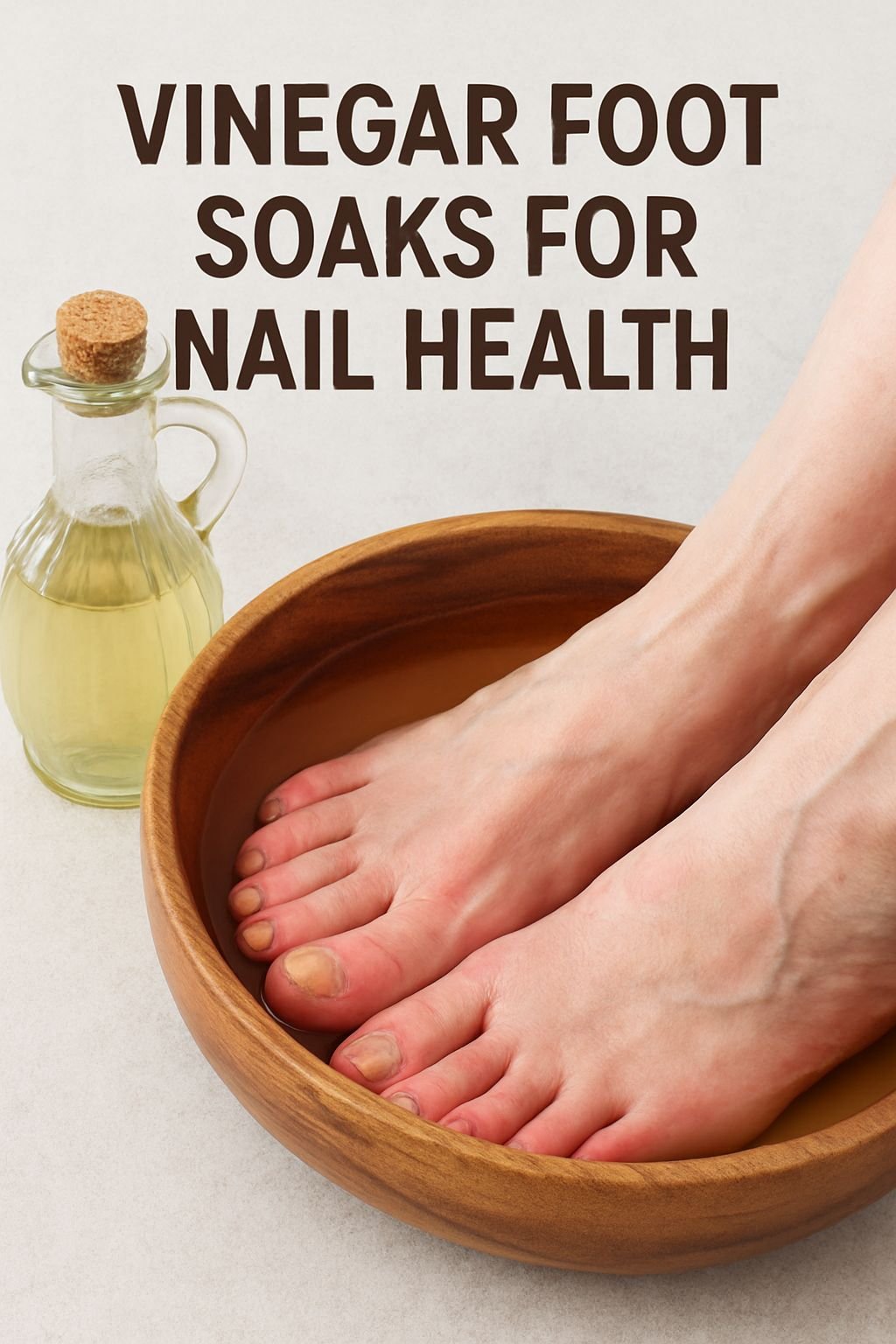
Looking down at discolored, thickened toenails can be both embarrassing and worrisome. Before you reach for expensive over-the-counter treatments, consider the powerful remedy in your kitchen cabinet: vinegar. This natural acid has been used for centuries as a healing agent, especially for foot and nail problems.
Soaking your feet in vinegar is one of the easiest, cheapest, and most effective natural treatments for common nail and foot issues. This simple ingredient works by making it difficult for fungi and bacteria to survive while also helping to restore the natural pH balance of your feet. With regular use, many people notice a big difference in the way their nails look, how their feet smell, and the general health of their feet.
Why Vinegar is a Nail’s Best Friend: The Secret Strength of This Pantry Essential
Vinegar isn’t only for salad dressings and cleaning—it’s a potent partner for nail health. The magic is in vinegar’s acidity, usually ranging between 2-3 on the pH scale. This natural acidity establishes an environment where damaging microorganisms find it difficult to thrive, while also fortifying your nail beds. Vinegar provides a mild yet potent alternative to harsh chemical treatments that often contain potentially harmful ingredients, and it’s a solution that’s been relied upon for many years.
Vinegar’s Nail Health Solutions
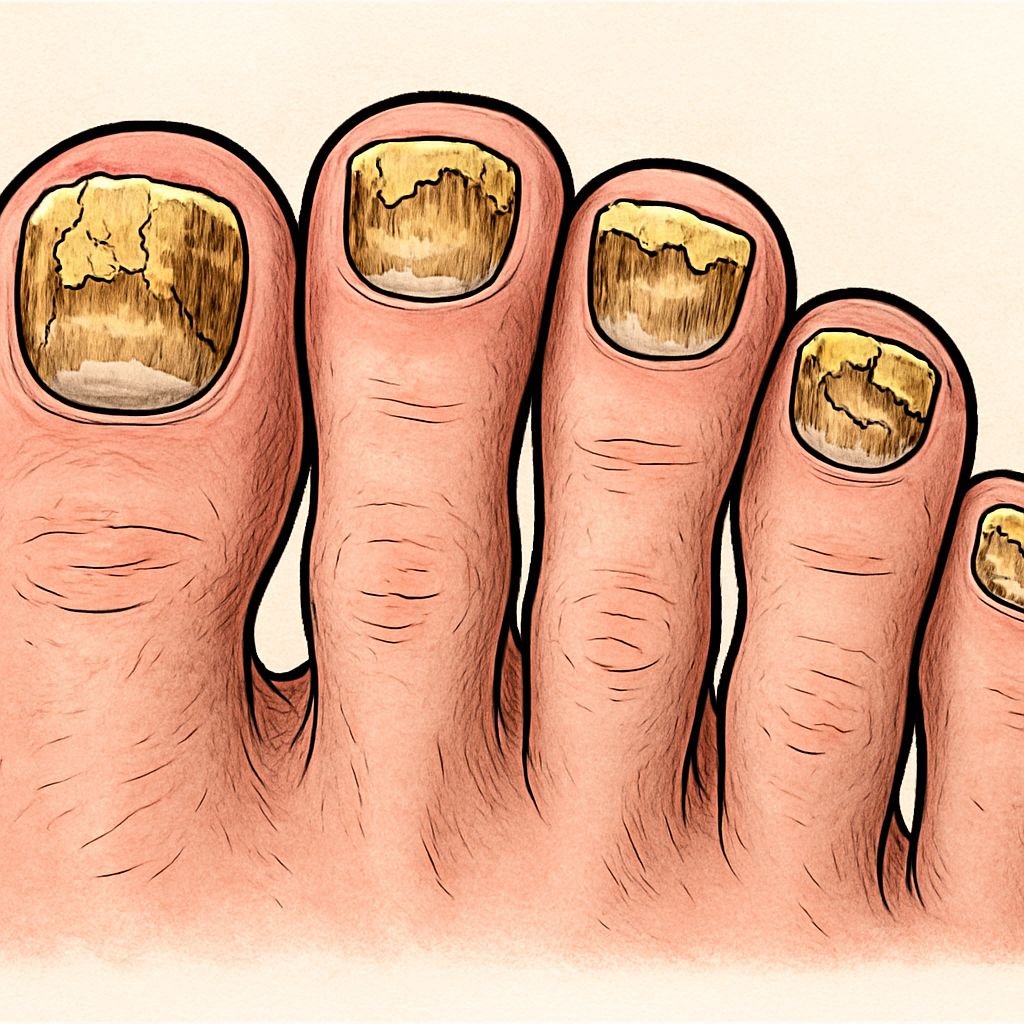
Vinegar treatments are particularly effective against nail fungus (onychomycosis), a condition that affects roughly 10% of adults around the world, with the likelihood increasing as we age. But vinegar soaks can also help with discoloration, brittleness, and ingrown toenails by softening the skin around the nail. Athletes and others who are physically active may find that vinegar helps to eliminate foot odor and prevent athlete’s foot, problems that often go hand in hand with intense physical activity.
If you struggle with excessively sweaty feet, you might find that frequent vinegar soaks help control sweat production and lessen the bacterial growth that causes ongoing odor. Even issues that don’t seem related, like minor foot pain and inflammation, can get better with vinegar treatments because the solution helps remove toxins and decrease swelling in tired feet.
Why Vinegar Works
Vinegar’s key ingredient, acetic acid, is what makes it so effective. This potent organic compound naturally fights off microbes, stopping many pathogens in their tracks, including Trichophyton rubrum, the fungus behind most nail infections. With regular use, the acidic environment vinegar creates hinders fungal growth, letting your natural nail heal and flourish.
Research indicates that acetic acid can infiltrate the nail plate and access the nail bed where infections typically start. The acid functions by altering the proteins within fungal cells, essentially eradicating them at a molecular level. Furthermore, vinegar assists in reestablishing your skin’s natural acid mantle—a slim, defensive layer that serves as your body’s initial defense against environmental pathogens.
Vinegar not only has antimicrobial properties, but it also contains trace minerals and enzymes that are beneficial to the health of your nails. If you use vinegar regularly, these compounds can help to strengthen the keratin structure of your nails, making them less prone to future infections and damage.
How to Make a Vinegar Foot Soak
There’s no need for a fancy recipe or special ingredients to make a vinegar foot soak. The most effective recipe is also the simplest: mix one part vinegar with two parts warm water. This ratio is strong enough to kill off any bacteria or fungi, but not so strong that it will irritate your skin if you use it regularly. For a standard foot bath, you’ll want to mix 1 cup of vinegar with 2 cups of water in a basin that’s big enough to comfortably fit your feet.
Apple Cider Vinegar or White Vinegar: Which is More Effective?
Apple cider vinegar (ACV) and white vinegar have similar benefits for the health of your nails, due to their similar acetic acid content. However, many natural health practitioners prefer ACV due to the additional compounds it contains. ACV contains naturally occurring enzymes and nutrients such as potassium, magnesium, and pectin that may offer additional benefits for skin and nail health. The “mother” – the cloudy substance found in unfiltered ACV – contains beneficial bacteria that enhance its therapeutic properties. For those seeking more comprehensive solutions, explore advanced toenail fungus treatments that incorporate technological solutions.
White vinegar, which is more processed, has a more consistent acidity and may work better against some types of fungi due to its purity. It’s also usually cheaper and has a less strong smell, which some people like. In the end, both kinds will work for foot soaks, so it often comes down to what you like and what you already have in your kitchen.
Boosting Your Foot Soak with Natural Add-Ins
While a simple vinegar and water foot soak can do wonders for your feet, you can supercharge your soak with a few natural add-ins. Add a tablespoon of baking soda to your foot bath after you’ve soaked in the vinegar solution to help neutralize foot odors and soften your skin (don’t mix the baking soda and vinegar together, as they’ll neutralize each other). Epsom salts can also be added to your foot bath to infuse your soak with magnesium, which can help relax your tired muscles and draw out toxins. And for an extra special treat, consider adding 5-10 drops of tea tree, lavender, or eucalyptus essential oil to your foot bath. Not only do these essential oils smell great, but they also complement the antifungal properties of the vinegar.
Guide to Preparing Your Foot Soak
First, you’ll need to find a basin that is large enough to comfortably hold both of your feet with some extra room. Heat up 2-3 quarts of water until it’s a comfortable temperature (around 100°F or just warm to the touch, not hot). Take one cup of the vinegar you’ve chosen and add it to the warm water, stirring it gently to mix it in. If you have sensitive skin, start with a more diluted solution of 1 part vinegar to 3 parts water, and then gradually increase the concentration as your skin gets used to it. Make sure the room you’re in is warm and comfortable because you’re going to be sitting there for at least 15-20 minutes while you soak your feet.
Place the foot bath on a towel to absorb any water that splashes out, and have another towel ready to dry your feet when you’re done. Before you soak your feet, make sure to remove any nail polish because the vinegar needs to be able to get to the nail to work. If you want the vinegar to work even better, you can gently file the top of the nail that’s affected before you soak it. This will let the vinegar soak into the nail more deeply.
Proper Procedure for a Vinegar Foot Soak
It’s not just about the ingredients, but also the method. Start by washing your feet thoroughly with a gentle soap to get rid of any surface dirt and oils that could prevent the vinegar solution from fully penetrating your nails. Make sure all affected nails are completely submerged when you put your feet in the prepared solution. Stay in this position for 15-20 minutes, which is the perfect amount of time for the vinegar to do its job without drying out your skin too much. Use this time to do some mindfulness exercises or read a book you love, turning a health treatment into a moment of self-care.
Getting the Right Water Temperature
The temperature of the water you use for your foot soak is critical. If the water is too hot, it can damage your skin and make fungal conditions worse by creating a damp environment where fungi flourish. On the other hand, cold water won’t open up your pores or allow the vinegar’s beneficial compounds to be absorbed as well. You should aim for water that is warm and comfortable, around 95-105°F (35-40°C), which is roughly the temperature of a warm shower. At this temperature, your pores will open and your circulation will improve, making the soak both enjoyable and beneficial. If you don’t have a thermometer, you can test the water with your elbow. It should feel warm, but not so hot that it’s uncomfortable. For more information on treating fungal conditions, you can explore effective remedies for toenail fungus.
How Long Should You Soak Your Feet?
It’s important to maintain a consistent soaking duration to get the best results. While it may seem like a good idea to soak your feet for longer than 20 minutes, it’s not always beneficial. If you soak your feet in vinegar for too long, it can dry out your skin and cause it to crack. These cracks can become entry points for new infections. The ideal soaking time is 15-20 minutes. This is long enough for the acetic acid to penetrate the nail beds and the surrounding skin without causing any irritation. If you have a severe infection, it may be more beneficial to do two shorter soaks a day instead of one long soak.
Once you’ve finished soaking your feet, fight the impulse to wash them off with clean water. This will wash away the beneficial acidic residue. Instead, dry your feet thoroughly with a clean towel, taking extra care to dry between your toes where moisture can linger. This drying step is crucial. Fungi love damp environments, so ensuring your feet are completely dry will help prolong the benefits of your vinegar soak.
How Regular Should You Soak Your Feet
Consistency is key when it comes to vinegar foot soaks. If you have an active fungal infection or an ongoing odor issue, you may notice a significant improvement if you soak your feet every day for two weeks. Once you start to see improvements, you can reduce your soaks to 3-4 times a week to maintain the benefits. If you don’t currently have any issues, you can soak your feet 1-2 times a week to keep your feet and nails healthy. Regular, moderate treatments are generally more effective than soaking your feet every now and then. For more information on this, check out how to make a vinegar foot soak.
Typically, the optimal time for foot soaks is in the evening as a part of your nighttime routine. Soaking your feet at this time allows the vinegar solution to continue to work while you are sleeping. Following your soak with a moisturizer and cotton socks will help to lock in the hydration overnight. Morning soaks can also be beneficial, but it is important to make sure your feet are completely dry before putting on socks and shoes to prevent creating a moist environment that is favorable to fungi.
5 Amazing Advantages of Consistent Vinegar Foot Soaks
By making vinegar soaks a part of your usual foot care regimen, you can enjoy a variety of benefits all at once, tackling both the symptoms and the root causes of typical foot issues. Let’s look at the five biggest advantages you can gain from this straightforward but potent home treatment.
1. Combats Nail Fungus and Infections
The most well-known benefit of vinegar is its ability to combat stubborn nail fungus. The acetic acid in vinegar creates an acidic environment that is inhospitable to fungal organisms, yet does not harm human tissue. Clinical studies have shown that solutions with acidity levels similar to vinegar can significantly decrease the presence of fungus when used consistently. Vinegar also disrupts the cell membranes of fungi, essentially breaking down their protective coating and exposing them to an environment they cannot survive in. Many users report noticeable improvement in mild to moderate fungal infections within 2-3 weeks of regular soaking, with complete resolution possible within several months for more stubborn cases.
2. Callus Softening and Dead Skin Removal
Vinegar doesn’t just combat infections, it’s also a miracle worker when it comes to softening hard, calloused skin. The gentle acidity helps to break down the protein bonds in dead skin cells, making them easier to remove. Regular soaks slowly dissolve the hardened layers of skin that make up calluses, revealing the softer, healthier skin beneath. This natural exfoliation process is especially helpful for those who spend a lot of time on their feet or wear shoes that don’t fit well and cause friction points. For more on effective treatments, consider exploring advanced toenail fungus treatments.
Once you’ve soaked your feet a few times, you’ll start to see that the rougher areas of your feet are becoming smoother and more supple. If you want to speed up the exfoliation process, you can gently use a pumice stone or foot file on the softened calluses after soaking. The combination of the vinegar’s chemical exfoliation and the mechanical exfoliation from the foot file can deliver some pretty dramatic results without the harshness of using a dedicated callus remover.
3. Regulates the pH Balance of Your Feet
Our skin naturally maintains a slightly acidic pH of about 4.5-5.5, also known as the acid mantle. This protective barrier helps to guard against pathogenic organisms that thrive in more alkaline environments. A lot of soaps and foot products are alkaline, and this can disrupt this natural balance and potentially leave feet susceptible to infections. Vinegar soaks help to restore the optimal pH, strengthening your skin’s natural defenses against bacteria and fungi.
By restoring the pH balance, you can also regulate oil production and moisture levels in the foot skin. A lot of people with chronically dry, cracked heels find that regular vinegar soaks followed by moisturizing leads to a more balanced skin that neither feels too dry nor too oily. This balanced state is ideal for maintaining healthy nails and preventing the cracked skin that can become an entry point for infections.
4. Decreases Foot Smell
Constant foot smell is mainly caused by bacteria breaking down sweat, which creates volatile compounds with unique bad smells. Vinegar tackles this problem in two key ways. First, its antimicrobial properties decrease the bacterial population on your skin. Second, vinegar aids in balancing perspiration by normalizing the skin’s pH, which could decrease excessive sweating that contributes to smell.
People who have been battling foot odor for a long time have found that soaking their feet in vinegar regularly keeps them smelling fresh for longer than commercial deodorants. To really combat foot odor, try adding a few drops of tea tree or peppermint essential oil to your vinegar foot soak. These essential oils not only make the soak smell good, they also have antimicrobial properties. This combination often keeps feet smelling fresh all day, eliminating the need for specialized (and pricey) foot deodorants.
5. Enhances the Look of Your Nails
In addition to targeting certain issues, consistent vinegar soaks can enhance the look and health of your nails. The mild acid helps to eliminate surface stains and discoloration, resulting in clearer, more natural-looking nails. After a few weeks of regular treatments, many people find their nails are stronger and less likely to split or break. The increased blood flow from warm soaks also promotes quicker, healthier nail growth, which helps to repair damaged nail tissue faster.
People with thickened nails—usually due to past fungal infections or injury—can gradually restore a more normal thickness and texture through vinegar soaks. The vinegar softens the layers of keratin, which allows the nails to be gently thinned during regular nail care. Consistent care over time results in nails that not only appear healthier, but also function better. They cause less discomfort and fit more comfortably in shoes.
What to Expect From Your Nails: A Weekly Transformation
It’s important to set realistic expectations when you start any natural treatment. Vinegar foot soaks can work wonders, but don’t expect overnight miracles. Knowing what to expect and when to expect it can help you stay motivated throughout your treatment.
What to Expect in the First Week
In the first week of daily vinegar foot soaks, you will probably see instant changes in foot smell and skin feel. The vinegar’s antibacterial features rapidly neutralize the bacteria that cause odors, giving you fresher-smelling feet after just 2-3 soaks. Skin becomes noticeably smoother as the acid starts to break down calluses and dead skin cells. Any itching from athlete’s foot usually reduces within the first few days as the fungus infection starts to shrink.
Although it takes a while for your nails to show improvement, you may see that the skin around your nails looks healthier and less inflamed after just one week. If you have any pain from infected or ingrown nails, it often starts to go away as the vinegar’s antimicrobial properties decrease inflammation. These early, subtle changes show that the treatment is working on a basic level to make your feet and nails healthier.
Progress After One Month
After one month of regular use, most people start to see a noticeable difference. Fungal infections start to get better, with the infected part of the nail growing out and a new, healthier nail growing in from the base. The typical yellowing or discoloration of fungal infections often starts to fade, particularly at the base of the nail where the new growth is. Calluses are significantly reduced, and the overall texture of the skin is smoother and more moisturized when properly moisturized after soaking.
By this point, people who have been struggling with foot odor will notice that the improvements last longer. They will find that they can go longer between treatments while still keeping their feet fresh. For those who had thick nails, they will notice that the thickness of their nails starts to become normal. Any pain that they had from thick or ingrown nails will typically be completely gone by this point. These milestones that happen after one month provide positive feedback that motivates people to continue the treatment.
Long-Term Nail Transformation
The most dramatic results become evident after 2-3 months of consistent treatment. By this time, depending on the severity of the initial condition, fungal infections may be completely resolved or significantly reduced. Nails grow out clearer, stronger, and with more normal coloration and texture. The nail plate appears more even, and the typical ridges or irregularities caused by fungal damage begin to disappear as healthy nail grows in.
Most natural health practitioners suggest that even after the problem is visibly solved, you should continue with maintenance soaks for the best long-term results. This preventive measure helps to ensure that the infection does not return and that the improved condition of your nails and skin is maintained. Once the acute problems have been dealt with, many people find that scaling back to 1-2 soaks per week is sufficient maintenance, making this a routine that is easy to sustain indefinitely.
Who Should Not Use Vinegar Foot Soaks and Safety Measures
Vinegar foot soaks are typically safe for the majority of people, but there are some circumstances where you should be careful. If you have open wounds, cuts, or broken skin, you should never use vinegar soaks because the acid can cause severe pain and potential irritation. If you notice persistent redness, burning, or increased pain after using a vinegar soak, stop using it immediately and rinse your skin thoroughly with clean water. Some people may have a sensitivity to vinegar that makes even diluted solutions too irritating for their skin.
Individuals with peripheral neuropathy, which is commonly linked to diabetes or specific autoimmune diseases, should exercise caution with all foot treatments, including vinegar soaks. Decreased sensitivity could result in you not feeling any irritation or burns from solutions that are overly strong or hot. Moreover, if you have severe vascular disease, you should seek advice from healthcare professionals before starting any new foot treatment, as poor circulation can hinder healing and raise the risk of infection.
Worries About Sensitive Skin
For those with sensitive skin, there are several modifications you can make to the vinegar soak to make it more comfortable. Start with a less concentrated solution of 1 part vinegar to 4 parts water, and gradually increase the concentration as your skin becomes used to it. If you’re worried about irritation, you can start by soaking your feet for just 5-10 minutes, which will still provide some benefits. If you’re worried about the vinegar drying out your skin, you can add a tablespoon of honey to the soak. Honey is a natural humectant and antimicrobial, so it can help counteract any drying effects. For more information on natural remedies, you might find this guide on toenail fungus home remedies helpful.
Keep a close eye on your skin for signs of irritation, such as constant redness, itching, or flaking that gets worse after soaking. These symptoms suggest that the solution may be too strong for your skin type. Always follow vinegar soaks with a high-quality moisturizer to prevent excessive dryness, which can cause skin cracks and possible infections. Natural options like coconut oil or shea butter are especially effective as post-soak moisturizers.
Health Issues That Call for Caution
Individuals with specific health issues should talk to their healthcare professionals before attempting vinegar foot soaks. Diabetics need to be especially careful with any foot treatments, as poor blood flow and potential nerve damage raise the chances of unnoticed injuries. Those with eczema, psoriasis, or other ongoing skin issues may have outbreaks due to the acid in vinegar and should try it on a small area of skin before fully immersing their feet. For more information on treatments, you can explore this guide on advanced toenail fungus treatments.
People who are on certain medications, especially those that increase sensitivity to light or affect the pH balance of the skin, should also seek medical advice before starting regular vinegar treatments. Always let your healthcare providers know about all treatments—including natural remedies—to avoid potential interactions or complications with existing treatment plans.
Enhance Your Routine: Additional Nail Care Habits
For the most effective use of vinegar foot soaks, incorporate them into a holistic foot care regimen. Keep your nails trimmed straight across to avoid ingrown toenails, and use a specific pair of sanitized clippers to prevent the spread of infection. Wear breathable shoes and socks that wick away moisture to keep your feet dry throughout the day, as damp environments promote the growth of fungus. Avoid going barefoot in public showers, swimming pools, and locker rooms, which are common sources of fungal infection. Regularly disinfect your shoes with an antifungal spray, and rotate between different pairs of shoes to allow them to fully dry between uses.
Boost Your Vinegar Soak with Essential Oils
There are several essential oils that pair well with vinegar and can help make your foot soak even better. Tea tree oil is a standout, with many studies showing that it has strong antifungal properties. Add 5-7 drops to your vinegar foot soak for a one-two punch against tough nail fungus. Lavender oil brings both antimicrobial benefits and a calming scent that can turn your treatment into a spa-like aromatherapy session, helping you relax while you heal your feet. If you’re dealing with stubborn foot odor, peppermint oil can give a fresh, clean scent while naturally cooling and deodorizing your feet thanks to its menthol.
Caring for Your Nails After a Vinegar Soak
What you do after soaking your feet in vinegar is just as important as the soak itself. After thoroughly drying your feet, apply a thin layer of an antifungal essential oil blend or over-the-counter antifungal cream directly to affected nails. This one-two punch approach—vinegar soak followed by targeted treatment—often accelerates healing and prevents recurrence. For optimal nail health, keep nails trimmed short during treatment, filing down thickened areas gently after soaking when the nail is softest.
It’s best to have a towel that you only use for drying your feet after vinegar soaks. This can help stop the spread of any fungal spores to other parts of your body. Wash this towel in hot water and add a bit of vinegar to the rinse cycle to kill any remaining germs. After treatment, think about putting on clean, cotton socks. This can help keep your feet dry and let them keep benefiting from the leftover effects of the vinegar.
After the vinegar soak, you can use a natural moisturizer like coconut oil to help keep the skin on your feet and around your nails healthy. But be careful not to get any oils directly on the infected nails because that could block the vinegar from continuing to work. This two-pronged approach of treating the infection and keeping your skin healthy can help prevent the dry, cracked skin that can lead to new infections.
Food Changes for Nail Health
What you eat can have a big impact on the health of your nails and can make your vinegar foot soaks even more effective. Try eating more foods that are high in biotin, like eggs, almonds, and sweet potatoes. Biotin is a B vitamin that can help your nails grow strong and healthy. Foods that are high in zinc, like pumpkin seeds, beef, and lentils, can help your immune system work better and can help your body fight off fungal infections. Eating enough protein can also help your body make new, healthy nails to replace any that are infected.
During treatment, you might want to think about cutting back on sugar, as high blood sugar can fuel fungal infections and weaken the immune response. Some natural health practitioners also suggest probiotic foods like yogurt, kefir, and fermented vegetables to support overall microbiome balance, which may indirectly benefit nail health by improving immune function. Keep in mind that nutritional changes work hand in hand with topical treatments like vinegar soaks—neither approach works best on its own.
When to See a Doctor Instead of Using Home Remedies
Vinegar soaks can be a great solution for many common foot and nail issues, but they’re not a cure-all. There are times when you need to seek professional medical help instead of trying to treat the problem yourself. If you’ve been using vinegar soaks consistently for 2-3 months and haven’t seen any noticeable improvement, it’s time to see a doctor. Infections that are severe or rapidly getting worse may need prescription antifungals or antibiotics to fully clear up.
People with diabetes should continue to have their feet checked regularly by a healthcare provider, regardless of whether they are using home remedies, because they are at greater risk of complications from even minor foot problems. If you notice that the redness is spreading, the pain is increasing, the area is hot, there is swelling, or there are red streaks coming out of the area, get medical help right away, as these are signs of a potentially serious infection that needs to be treated quickly. Remember, natural remedies like vinegar soaks can be used in addition to professional care, but should not be used in place of professional care when more intense treatment is needed.
Red Flags for Nail Health Problems
While vinegar foot soaks can do wonders for minor discoloration and thickening, there are certain nail symptoms that should be checked out by a professional. If your nails suddenly change color, especially if they develop dark streaks or spots that aren’t injury-related, you should see a dermatologist to rule out melanoma or other serious conditions. If your nails completely detach (a condition called onycholysis), cause severe pain, or continue to distort despite treatment, these could be signs of a more serious underlying condition that can’t be treated with home remedies.
Start Your Journey to Healthier, Stronger Nails Today
Improving the health of your nails doesn’t have to involve costly treatments or prescriptions. In many cases, the best solution is as simple as a vinegar foot soak. By making this tried-and-true remedy part of your regular routine, you’re taking a proactive step towards healthier, stronger, and more appealing nails. The secret to success is being consistent and patient, giving time for new, healthy nail growth to take the place of damaged tissue.
Don’t forget that the state of your nails can give a snapshot of your general health, so combine your vinegar soaks with a balanced diet, drinking plenty of water, and wearing the right shoes. By dealing with nail issues naturally with vinegar soaks, you’re not just treating the symptoms but also helping your body to heal itself. Get started with your vinegar foot soak routine now and within a few weeks, you’ll probably start to see the first signs of improvement which will only get better with ongoing attention.
Common Questions
When it comes to using vinegar foot soaks to improve nail health, many people have questions about the details, what to expect, and whether it’s safe. Here are some answers to the questions we hear most often about this natural treatment, to help those who are new to it understand it better.
Keep in mind that while vinegar soaks are typically safe and effective, everyone’s reaction is different. Pay attention to your body, adjust the treatment as necessary for your specific circumstances, and don’t hesitate to seek professional help for conditions that persist or worsen.
Is it safe to use vinegar soaks if I have diabetes?
Special Considerations for Diabetic Foot Care
If you have diabetes, which can affect circulation and nerve function, you could be at a higher risk for complications from any foot treatment. Always consult your healthcare provider before starting vinegar soaks.
Be sure to take the following precautions: use a thermometer to check the water temperature rather than relying on how it feels (try to keep it between 95-100°F), don’t soak your feet for more than 5-10 minutes to start, look at your feet closely before and after the soak, and never try to treat any open sores or ulcers yourself.
Foot treatments require extra care for people with diabetes, due to potential neuropathy and circulation issues. If you have well-controlled diabetes without significant foot complications, vinegar soaks may be appropriate with proper precautions and medical approval. Always use a thermometer to check water temperature rather than testing by touch, as neuropathy can impair your ability to detect temperatures that could burn your skin.
Before and after each soak, examine your feet carefully, paying attention to any changes in color, temperature, or the appearance of sores or blisters. Use a mirror if needed to check all parts of your feet. Diabetes raises the chances of foot ulcers, so any skin break needs immediate professional care instead of ongoing home treatment.
Start with a mild vinegar solution (1 part vinegar to 4 parts water) and short soaking times (5-10 minutes). If your doctor gives the go-ahead and you don’t have any negative reactions, you can slowly increase the strength and length of the soaks. After soaking, always dry your feet thoroughly and moisturize to avoid skin cracking, which could lead to infection.
When can I expect to see results from vinegar foot soaks?
It’s important to be patient, as natural remedies usually take longer to work than over-the-counter or prescription treatments. Many people see improvements in foot smell and skin feel within the first week of regular soaks. Minor fungal infections often start to look better within 2-4 weeks of daily soaking. But, more severe nail fungus takes longer to treat because you have to wait for the infected part of the nail to completely grow out.
It takes a long time for nails to grow—on average, toenails grow about 1mm each month. This means it can take a year to a year and a half for a toenail to fully grow back. However, it usually starts to look better before it’s fully grown back. As the new, healthy nail grows from the base, it slowly pushes out the visible part of the infection. That’s why it’s a good idea to keep your nails short while you’re treating them, to help get rid of the infected parts more quickly.
The timeline for your nail health transformation can be influenced by several factors. These include the severity and duration of the infection before you started treatment, your overall health and immune function, and your age. As we get older, our nails grow more slowly. Another factor is how consistently you follow the treatment. Many people stop treatment as soon as they see some improvement. But this can allow the infection to come back. For insights on maintaining consistency, check out this guide on toenail fungus treatment remedies. For the best results, keep doing the treatments until the nail is completely clear. After that, do a soak once a week to prevent the infection from coming back.
Can vinegar foot soaks help with my long-term toenail fungus?
While it’s true that long-standing fungal infections are harder to treat, they can still be improved with consistent vinegar treatment. In chronic cases, the fungus has likely burrowed deeper into the nail bed, meaning it will take more time and dedication to fully eradicate. Successfully treating long-term infections often relies on a combination of vinegar soaks and other strategies, such as topical antifungals, dietary changes to improve immune function, and rigorous hygiene practices to avoid reinfection.
If you are having a hard time getting rid of stubborn infections, you might want to try enhancing your vinegar soak routine. This can be done by gently filing the surface of the infected nails before you soak them. This will allow the solution to penetrate better. Some experts suggest using a solution that is made up of 50% water and 50% vinegar for infections that are particularly resistant. However, this stronger concentration should be used with caution. If irritation occurs, you should stop using it. You can also try adding tea tree oil or other antifungal essential oils to your soak and your post-soak treatment. This might make it more effective against persistent fungi.
Is it okay to mix baking soda with my vinegar foot soak?
Many people have asked this question, and it’s clear there’s some confusion about basic chemistry. Baking soda, also known as sodium bicarbonate, is an alkaline substance. Vinegar, on the other hand, is acidic. When you mix the two, they neutralize each other, forming water and carbon dioxide. This neutralization process gets rid of the helpful acidity that makes vinegar a powerful weapon against fungi and bacteria. So, no, you should not add baking soda to your vinegar foot soak.
Even so, baking soda can still be a useful addition to your foot care routine. You might want to think about using a baking soda soak as a separate treatment, maybe on alternate days with your vinegar soak. Baking soda is alkaline, which helps to soften skin and neutralize odors in a different way to vinegar. Some people suggest a two-step process: first, soak in a vinegar solution, dry your feet thoroughly, then soak briefly in a baking soda solution to get rid of any vinegar smell.
For those who are particularly bothered by the smell of vinegar, you can add a few drops of essential oil to your soak instead of using baking soda. Lavender, peppermint, or citrus oils can cover up the vinegar smell without reducing its healing properties. Keep in mind that any remaining vinegar smell after soaking usually goes away quickly and won’t stick around on feet that have been thoroughly dried.
Is it okay if my feet smell like vinegar after a soak?
It’s perfectly normal for your feet to have a slight vinegar smell right after soaking. This smell usually goes away within an hour as your feet dry completely. The smell is just leftover acetic acid on the surface of your skin. The strength of the remaining smell depends on how well you dry your feet after soaking and how much vinegar you used in your solution. If you use a lot of vinegar, the smell will naturally be stronger. For more on natural remedies, check out this guide to toenail fungus home remedies.
If you’re worried about the smell, especially in social situations, you might want to plan your foot soaks for evenings when you’re not going anywhere. Drying your feet thoroughly with a clean towel can help to minimize any lingering odor. Some people find that applying a foot powder that contains cornstarch after they’ve dried their feet completely helps to absorb any remaining vinegar residue and the smell that goes along with it. For those dealing with additional issues like toenail fungus, exploring treatment remedies can be beneficial.
Surprisingly, a lot of people have noticed that their feet smell better overall, even when they haven’t soaked them recently, after a few weeks of regular vinegar soaks. This is because the vinegar treatments have lessened the bacterial population that causes foot odor in the first place. So, while there might be a temporary vinegar smell after treatment, the long-term result is typically feet that stay naturally fresher throughout the day. For more information on effective treatments, check out this guide on toenail fungus treatment remedies.
