 Nail Fungus Cures Instant Cures for Painful Nails and Fungus
Related Articles



Key Takeaways
- Toenail fungus recurrence is common, affecting more than 50% of treated patients without proper preventative measures.
- Daily application of antifungal products for at least two weeks post-treatment creates a crucial protective barrier against reinfection.
- Proper shoe hygiene, including rotation and disinfection, is essential for long-term fungus prevention.
- Treating athlete’s foot immediately prevents fungal spread from skin to nails, as they share the same pathogen.
- Early detection of recurring infection signs allows for faster intervention and more effective treatment.
Battling toenail fungus can feel like a never-ending cycle. You’ve completed your treatment, your nails are finally clearing up, but without the right preventative steps, you could find yourself right back where you started. At SpaGo MedSpa, we’ve helped countless patients not only treat their fungal nail infections but successfully prevent them from returning through proper aftercare strategies.
Many people don’t realize that fungal spores are incredibly resilient, capable of surviving in your environment long after treatment. Studies show that recurrence can happen a year or more after successful treatment, potentially affecting more than half of treated patients who don’t take prevention seriously.
Why Toenail Fungus Comes Back After Treatment
Successfully treating toenail fungus is only half the battle. The real challenge begins after your treatment ends, when maintaining fungus-free nails becomes your responsibility. Even the most effective treatments can’t prevent reinfection if the conditions that allowed the fungus to thrive initially are still present in your daily environment.
The Stubborn Nature of Fungal Spores
Fungal spores have remarkable survival abilities. They can remain dormant in your shoes, on bathroom floors, and even in nail care tools for months, waiting for the perfect conditions to reactivate and reinfect. These microscopic organisms thrive in warm, dark, moist environments – exactly what your shoes provide daily. Their cell walls contain tough compounds that make them resistant to many cleaning products and environmental stresses, allowing them to persist where other microorganisms would perish.
This resilience explains why a single treatment often isn’t enough for permanent results. The fungus may be temporarily eliminated from your nails, but if spores remain in your environment, reinfection becomes almost inevitable without proper preventative measures.
Common Reinfection Sources Most People Miss
When people think about preventing fungal reinfection, they often focus solely on their feet. However, numerous overlooked sources in your daily environment can harbor fungal spores and lead to reinfection. Household shower floors are major culprits, as they provide the perfect warm, moist environment for fungi to flourish. Shared nail clippers, files, and other pedicure tools that haven’t been properly sanitized can transfer fungal organisms directly to your vulnerable nails. For a comprehensive understanding of treatment strategies, consider exploring a strategic treatment roadmap for nail fungus.
Even laundry baskets containing used socks and hampers storing sweaty workout gear can become fungal reservoirs. Perhaps most significant is neglecting to treat athlete’s foot, as the same fungus often affects both skin and nails, creating a continuous cycle of reinfection between these areas if not addressed simultaneously.
Fungal Facts: The same dermatophytes that cause athlete’s foot (tinea pedis) typically cause toenail fungus (onychomycosis). Treating skin infection promptly is essential for preventing nail reinfection, as studies show the skin can act as a reservoir for continuous reinfection of the nails.
7 Daily Habits That Stop Toenail Fungus From Returning
Creating a consistent prevention routine is crucial for maintaining fungus-free nails long-term. These seven daily habits form the foundation of an effective prevention strategy that will significantly reduce your risk of reinfection.
1. Keep Feet Clean and Thoroughly Dry
Proper foot hygiene begins with thorough washing using an antibacterial soap, paying special attention to the spaces between your toes where moisture tends to accumulate. After washing, completely dry your feet, particularly between the toes where fungus often begins to grow. Consider using a clean towel dedicated only to your feet to prevent potential cross-contamination from other body areas.
For those with particularly sweaty feet, applying absorbent powder after drying can help maintain dryness throughout the day. Remember that fungal organisms thrive in moisture, so eliminating this essential growth factor is your first line of defense against recurrence. For more information on maintaining healthy nails, check out the strategic journey to clear nails.
2. Use Antifungal Powder Daily
Incorporating antifungal products into your daily routine creates an actively hostile environment for fungal spores. Apply an antifungal cream to your nails for at least two weeks following your treatment to establish a protective barrier against reinfection. Beyond this initial period, regularly spray your feet with an antifungal spray to maintain long-term protection and minimize recurrence risk.
Over-the-counter antifungal powders containing ingredients like miconazole or tolnaftate can be particularly effective when applied to clean, dry feet before putting on socks. These products not only fight potential fungal growth but also help absorb excess moisture throughout the day.
3. Rotate Your Shoes Every Day
Never wear the same pair of shoes for consecutive days. Shoes need at least 24 hours to completely dry out, especially after a full day of foot perspiration. Fungal organisms thrive in the dark, warm, moist environment inside shoes that haven’t properly dried. By implementing a rotation system with at least three pairs of shoes, you give each pair sufficient time to dry thoroughly between wearings, significantly reducing the fungal-friendly environment.
This rotation habit is particularly important for athletic footwear, which typically retains more moisture than casual shoes. Consider removing insoles at night to expedite the drying process, as insoles often trap moisture and become breeding grounds for fungal growth.
4. Wear Breathable Footwear
The type of shoes you choose plays a significant role in preventing fungal recurrence. Opt for footwear made from breathable materials like leather, canvas, or modern mesh fabrics that allow air circulation around your feet. These materials help whisk away moisture rather than trapping it against your skin and nails. Avoid synthetic materials and plastic shoes that create hot, moist environments where fungus flourishes.
During warmer months, wearing open-toed sandals when appropriate can dramatically reduce fungal recurrence risk by keeping your feet dry and exposed to air. Just remember never to go barefoot in public areas, as this introduces different infection risks.
5. Use Proper Nail Trimming Techniques
How you trim your nails significantly impacts your risk of reinfection. Keep nails cut straight across, avoiding rounded corners that can lead to ingrown nails and create entry points for fungal organisms. Maintain a moderate length – too short can damage the nail bed and create vulnerability, while too long increases risk of trauma and subsequent infection.
Always disinfect your nail tools before and after each use with a 70% isopropyl alcohol solution. Never share nail tools with others, even family members, as this is a direct transmission route for fungal spores. Consider having a dedicated set of tools used exclusively for affected nails until you’ve been completely fungus-free for several months. For more information on maintaining healthy nails, check out this strategic treatment roadmap.
6. Never Go Barefoot in Public Places
Public swimming pools, gym showers, locker rooms, and hotel bathrooms are hotspots for fungal transmission. Always wear water-friendly sandals or shower shoes in these environments to create a protective barrier between your feet and potentially contaminated surfaces. The warm, moist conditions in these public facilities create perfect breeding grounds for the same fungi that cause nail infections. For more information on treatment options, check out this guide on oral vs. topical nail fungus treatment.
Even at home, consider wearing clean house slippers if you’ve previously had a fungal infection, as spores may still be present on your floors. This simple habit dramatically reduces your exposure to environmental fungal organisms that could trigger recurrence. For more strategies, you might find a strategic treatment roadmap helpful in preventing future infections.
7. Treat Athlete’s Foot Immediately
The same fungal organisms that cause athlete’s foot often spread to toenails, creating a continuous cycle of reinfection. At the first sign of itching, scaling, or redness between toes or on the soles of your feet, begin treatment with an over-the-counter antifungal cream or spray. Continue treatment for at least two weeks, even if symptoms resolve sooner, to ensure complete eradication of the fungus.
Addressing athlete’s foot promptly prevents the fungus from migrating to your nails and reestablishing the infection you’ve worked so hard to eliminate. Consider this an early warning system that allows you to stop fungal growth before it becomes a more difficult nail problem. For comprehensive solutions, explore our best short and long-term treatments for chronic infections.
The Best Natural Antifungal Solutions for Long-Term Prevention
While medical treatments effectively address active infections, natural remedies can play a valuable role in long-term prevention strategies. These natural solutions often have fewer side effects than their pharmaceutical counterparts, making them suitable for ongoing preventative use when applied correctly.
Tea Tree Oil: How to Apply It Correctly
Tea tree oil contains potent antifungal compounds that disrupt fungal cell membranes and inhibit growth. For maximum effectiveness, dilute pure tea tree oil to a 5-10% solution by mixing with a carrier oil like coconut or olive oil. Using a cotton swab or clean dropper, apply this solution to your toenails and surrounding skin once or twice daily, allowing it to fully dry before putting on socks or shoes. For more comprehensive solutions, explore the best short and long-term treatments for toenail fungus.
Consistency is crucial for tea tree oil effectiveness. Studies show that daily application for at least three months provides significant protective benefits against fungal recurrence. Some people experience mild skin irritation from tea tree oil, so perform a patch test before full application and discontinue use if redness or irritation develops.
Apple Cider Vinegar Foot Soaks
The acidic environment created by apple cider vinegar inhibits fungal growth and helps restore the skin’s natural pH balance. Create an effective foot soak by mixing one part vinegar with two parts warm water and soaking your feet for 15-20 minutes, 2-3 times weekly. The mild acidity helps eliminate fungal spores while being gentle enough for regular preventative use without damaging healthy tissue or causing irritation.
Garlic Oil: The Potent Fungus Fighter
Garlic contains allicin, a compound with powerful antifungal properties that has been shown to inhibit various fungal species. Create your own garlic oil by crushing several cloves and mixing with olive oil, then allowing it to infuse for at least 24 hours. Apply this mixture to affected nails with a cotton swab once daily, preferably before bed. While the smell may be off-putting, wearing cotton socks after application helps contain the odor while allowing the active compounds to work overnight.
Oregano Oil Applications
Oregano oil contains carvacrol and thymol, two compounds that possess significant antifungal properties. For effective use, dilute 2-3 drops of oregano oil with one teaspoon of olive or coconut oil before application. This natural remedy can be applied to clean, dry nails twice daily using a cotton swab, making sure to cover both the nail surface and the area under the nail tip where fungus often hides. The warming sensation you may feel is normal and indicates the active compounds are penetrating the nail.
While oregano oil is potent, it’s also quite strong and may cause irritation on sensitive skin. Always perform a patch test before regular use and never apply undiluted oregano oil directly to the skin or nails. For those who find the direct application too strong, adding a few drops to a warm foot bath is a gentler alternative that still provides antifungal benefits. For more information on effective treatments, explore this guide to toenail fungus treatments.
Warning Signs Your Fungus Is Coming Back
Early recognition of recurring fungal infection can make the difference between a minor intervention and another full treatment cycle. The initial signs of fungal return are subtle but distinct if you know what to look for. Pay close attention to any changes in nail appearance, texture, or sensation, especially in nails that were previously infected. Catching reinfection in its earliest stages dramatically improves your chances of quickly resolving the problem before it becomes established. For more information on treatments, you can explore the oral vs topical nail fungus treatment options available.
Early Detection Tips
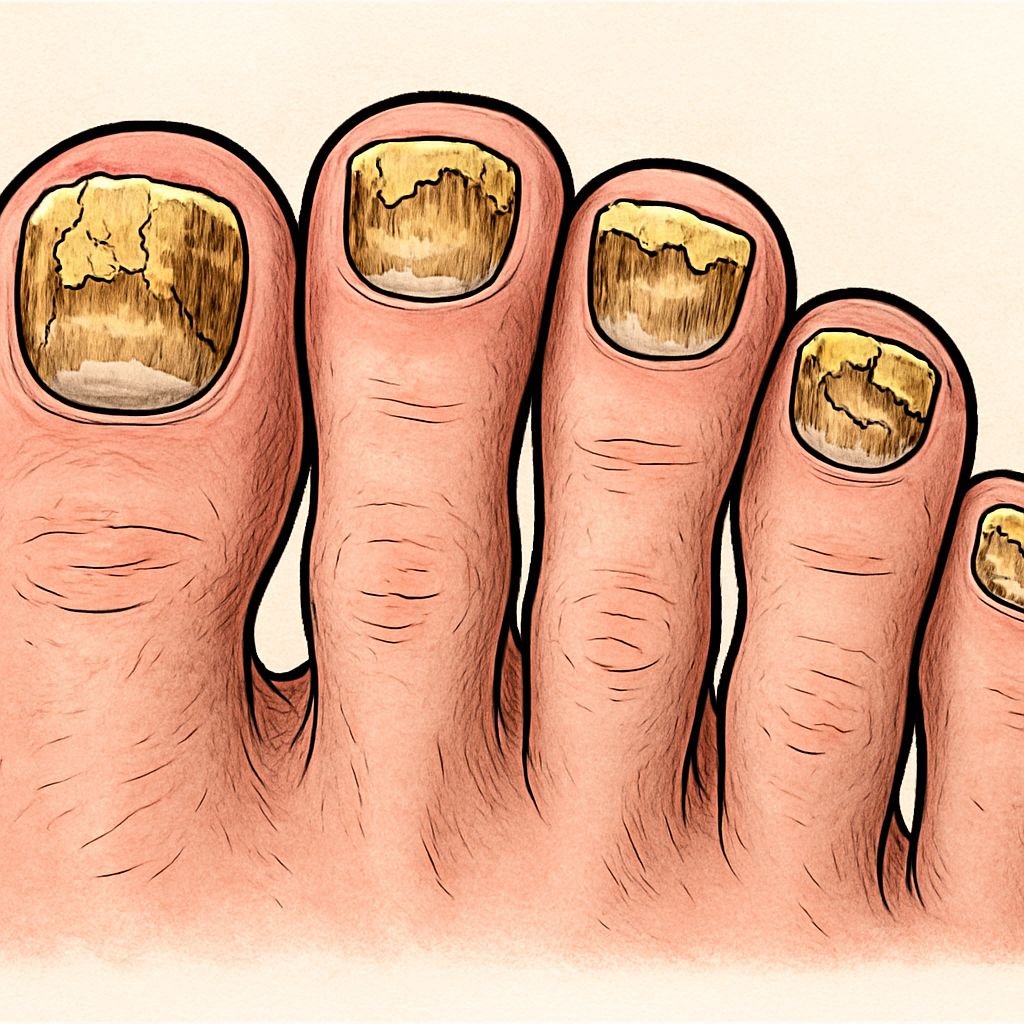
The earliest sign of fungal recurrence is often a subtle yellow or white spot that appears on the nail, typically at the tip or side where the nail meets the skin. This discoloration may be accompanied by slight thickening in that area, often so minimal that it’s only noticeable when comparing to your other healthy nails. You might also notice increased brittleness or flaking at the nail’s edge, a change in the nail’s natural luster, or minor lifting of the nail from the nail bed. Don’t dismiss minor nail pain or increased sensitivity as unrelated issues – these can be early indicators of fungal activity beneath the nail surface.
Establishing a regular self-examination routine is crucial for early detection. Set a weekly reminder to inspect your nails in good lighting, perhaps after showering when the nail is clean. Take photos of your nails monthly to help track subtle changes that might otherwise go unnoticed. Remember that fungus typically progresses slowly, making it easy to miss gradual changes without deliberate monitoring.
When to See Your Doctor Again
If you notice any of the early warning signs persisting for more than a week despite your preventative measures, it’s time to consult a healthcare provider. Additionally, seek professional evaluation if you observe the nail becoming increasingly discolored, thickened, or separated from the nail bed, as these indicate the infection is advancing. Don’t wait until the infection becomes severe – early intervention with appropriate antifungal treatments significantly improves outcomes and prevents the infection from becoming deeply established within the nail structure.
For those with diabetes or compromised immune systems, professional evaluation is even more critical at the first sign of recurrence. These conditions can complicate fungal infections and lead to more serious complications if left untreated. Your doctor may recommend more aggressive preventative measures or prescribe prophylactic treatments to prevent recurrence if you’ve experienced multiple episodes of toenail fungus.
The Maintenance Plan: What to Do Monthly for Fungus-Free Nails
Establishing a monthly maintenance routine creates a structured approach to long-term prevention. Begin each month by thoroughly disinfecting all footwear with an ultraviolet shoe sanitizer or antifungal spray, paying special attention to shoes worn frequently during the previous month. Replace insoles in athletic shoes every 2-3 months as these can harbor fungal spores even with regular cleaning. Perform a deep cleaning of your shower, bath mats, and bathroom floors using a bleach solution or commercial antifungal cleaner to eliminate environmental reservoirs. For more comprehensive solutions, explore our best short and long-term solutions for chronic infections.
Monthly nail maintenance should include a thorough inspection under good lighting, gentle filing of the nail surface to remove any irregularities, and application of a preventative antifungal solution. Consider scheduling these activities on the same day each month to establish a consistent routine. For those who’ve experienced multiple fungal infections, adding a monthly tea tree oil soak followed by a vinegar rinse provides an extra layer of protection by creating an environment hostile to fungal growth while maintaining the natural pH balance of your skin and nails.
Frequently Asked Questions
After successfully treating toenail fungus, patients naturally have concerns about maintaining their results and preventing future infections. These are the most common questions we address at SpaGo MedSpa regarding long-term nail health maintenance and fungus prevention.
| Risk Factor | Prevention Strategy | Importance Level |
|---|---|---|
| Contaminated Footwear | Rotate shoes, use UV sanitizers, apply antifungal spray | Critical |
| Moist Environment | Thoroughly dry feet, use moisture-wicking socks, apply antifungal powder | High |
| Public Spaces | Always wear shower shoes/sandals in public areas | High |
| Athlete’s Foot | Treat immediately with appropriate antifungal medication | Critical |
| Nail Care Services | Choose reputable salons with proper sterilization protocols | Moderate |
Understanding these risk factors and their corresponding prevention strategies helps prioritize your fungus prevention efforts effectively. While all aspects of prevention are important, focusing on critical areas first provides the most significant protection against recurrence.
Many patients wonder about specific scenarios that might affect their recovery or increase their risk of reinfection. The following answers address these common concerns with practical guidance for maintaining fungus-free nails. For a more detailed approach, consider exploring this strategic treatment roadmap for nail fungus.
How long should I continue prevention methods after treatment?
Prevention should become a permanent part of your nail care routine, not just a temporary measure. Studies indicate that fungal recurrence rates remain high for at least 12-18 months following successful treatment, with some patients remaining vulnerable indefinitely. Maintain strict preventative measures daily for at least six months after all visible signs of infection have disappeared. After this initial period, you can adopt a maintenance routine that includes weekly antifungal applications, consistent shoe rotation, and proper hygiene practices as part of your normal self-care. Those with risk factors like diabetes, compromised immunity, or a history of multiple infections should maintain more rigorous prevention indefinitely. For more information on effective treatment options, explore our guide to toenail fungus treatment.
Can I get a pedicure after treating toenail fungus?
You can safely enjoy pedicures after your infection has fully cleared, but choosing the right salon and taking certain precautions is essential. Wait until your doctor confirms the infection is completely resolved, typically when a new, healthy nail has fully grown out. When you do resume pedicures, select establishments that properly sterilize all equipment between clients and ideally use disposable tools for services. Consider scheduling the first appointment of the day when foot baths are freshly cleaned, or bring your own sanitized nail tools to minimize risk. For more information on maintaining healthy nails, explore The Strategic Journey to Clear Nails.
Even at reputable salons, communicate clearly about your history of fungal infection so technicians can take extra precautions. Request that they avoid aggressive cuticle pushing or under-nail cleaning that might create entry points for fungal organisms. After your pedicure, apply your regular antifungal product to counteract any potential exposure.
- Verify the salon’s sterilization protocols before booking
- Consider bringing your own sterilized tools
- Request that nail technicians avoid cutting cuticles
- Ask for gentle filing rather than aggressive buffing
- Apply antifungal solution after your pedicure
Following these guidelines allows you to enjoy professional nail care without significantly increasing your reinfection risk. For those with recurring infections or compromised immunity, consulting with your doctor before resuming pedicures is recommended. You may also explore long-term solutions for chronic infections to better manage your condition.
Will nail polish increase my risk of fungus recurrence?
Regular nail polish creates a sealed environment that traps moisture against the nail, potentially increasing fungal recurrence risk. If you choose to use polish, limit wear time to special occasions rather than continuous use, and always apply a clear antifungal base coat before colored polish. Remove polish completely at least once a week, allowing nails to remain polish-free for 2-3 days to “breathe” before reapplication. Consider using newer breathable nail polish formulations that allow water vapor to pass through, reducing moisture accumulation under the polish layer. For those with a history of severe or recurring infections, it’s safest to avoid nail polish entirely for at least six months after treatment completion.
Is swimming safe after toenail fungus treatment?
Swimming can be safely enjoyed after fungal treatment, but proper precautions are necessary to prevent reinfection. Always wear water shoes or pool sandals when walking on pool decks, in locker rooms, and shower areas where fungal organisms are commonly present. Thoroughly dry your feet immediately after swimming, paying special attention to the spaces between toes. Apply an antifungal powder or spray after drying as an extra protective measure. For additional protection, consider applying a waterproof barrier cream to the nail area before swimming, which creates a physical barrier against potential fungal exposure while in the water. With these precautions, swimming can remain a healthy activity without increasing your risk of fungal recurrence.
Can I spread toenail fungus to my family members?
Yes, toenail fungus can potentially spread to family members, though transmission risk varies based on genetic susceptibility and exposure patterns. To protect your household, avoid sharing personal items like towels, socks, shoes, or nail care tools. Disinfect shower floors regularly with a bleach solution or commercial antifungal cleaner, especially after you’ve used them. Consider using shower sandals at home until your infection is completely resolved. Warn family members about recognizing early signs of infection so they can begin treatment promptly if needed. While these precautions might seem excessive, they significantly reduce the risk of creating a cycle of reinfection within your household, where the fungus passes between family members repeatedly.
Maintaining fungus-free nails requires consistent effort and attention to detail, but the results are well worth it. By incorporating these preventative measures into your daily routine, you can enjoy healthy, clear nails for years to come. Remember that prevention is always easier than treatment, and staying vigilant about nail care becomes simpler with practice.
At SpaGo MedSpa, we’re committed to helping you achieve and maintain optimal nail health through comprehensive treatment and prevention strategies. Our experts are always available to answer your questions and provide personalized guidance for your specific situation.
Ready to banish toenail fungus for good? SpaGo MedSpa offers cutting-edge treatments and personalized prevention plans to help you maintain beautiful, healthy nails for life.
