Nail Fungus Cures Instant Cures for Painful Nails and Fungus
Related Articles




Key Takeaways
- Laser therapy provides the fastest clinical treatment for toenail fungus in Australia, with noticeable improvement in as little as 1-3 sessions
- Tea tree oil stands out as Australia’s most effective natural remedy, with studies showing its powerful antifungal properties when applied correctly
- Combination approaches yield better results than single treatments alone, with professional podiatrists often recommending multi-faceted treatment plans
- Early intervention significantly improves treatment outcomes and reduces treatment time from months to weeks
- The Foot Hub offers specialized fungal nail treatments with advanced laser technology that penetrates deep into the affected nail bed for faster results
Why Toenail Fungus Demands Quick Action
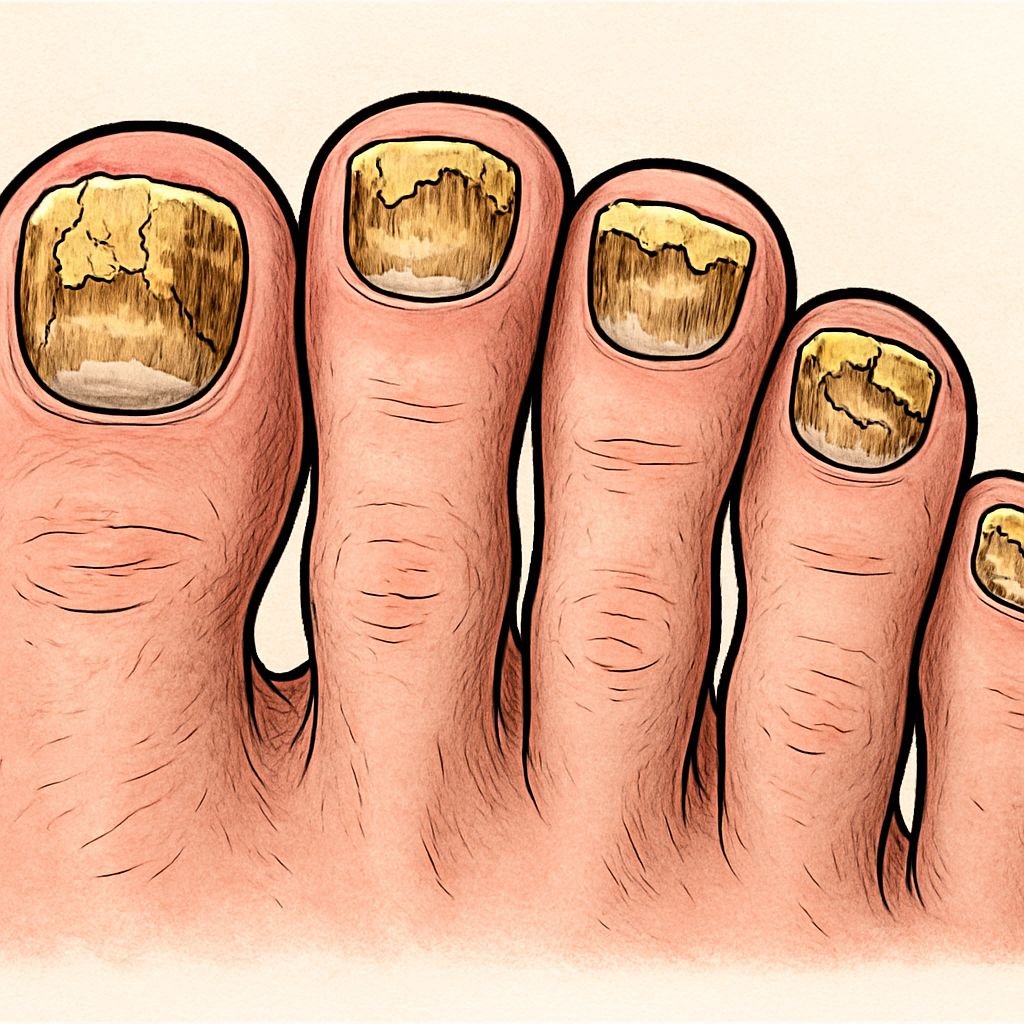
Toenail fungus might seem like a mere cosmetic issue initially, but delaying treatment can lead to serious complications. What starts as a small yellow or white spot can quickly spread, causing thickened, brittle, and discolored nails that are not only unsightly but painful. Australia’s warm, humid climate creates the perfect breeding ground for fungal infections, making them particularly stubborn to eliminate once established.
Left untreated, fungal infections can spread to other nails and even to other people in your household. More concerning is that the infection can create openings in the skin that allow bacteria to enter, potentially leading to cellulitis or other serious bacterial infections. For people with diabetes or compromised immune systems, these complications can be especially dangerous and difficult to resolve.
The psychological impact shouldn’t be underestimated either. Many Australians report feeling embarrassed about infected nails, avoiding activities like swimming or wearing open-toed shoes during our beautiful summer months. This social withdrawal can significantly impact quality of life, making fast, effective treatment essential for both physical and mental wellbeing.
Clinical Insight: Studies show that early treatment of toenail fungus can reduce treatment time by up to 60% and significantly improve success rates. Most patients who seek treatment within the first month of noticing symptoms experience complete resolution with minimal intervention compared to those who wait 6+ months.
5 Fastest Professional Treatments in Australia
When it comes to eliminating toenail fungus quickly, professional treatments offered by podiatrists and dermatologists provide the most efficient path to clear nails. These clinical approaches target the infection aggressively, often producing visible results in weeks rather than months. The effectiveness comes from their ability to penetrate the nail plate and reach the nail bed where the fungus thrives, something many over-the-counter solutions struggle to achieve.
1. Laser Therapy: The Quickest Medical Option
Laser therapy stands as Australia’s fastest-acting professional treatment for toenail fungus, delivering noticeable improvements after just 1-3 sessions. This cutting-edge technology works by emitting concentrated light that generates heat, precisely targeting and destroying fungal organisms without damaging surrounding healthy tissue. At The Foot Hub and similar specialist clinics across Australia, advanced laser protocols have been refined to maximize effectiveness while minimizing treatment time.
The procedure itself takes only 15-30 minutes per session, with most patients requiring 3-4 treatments spaced 4-6 weeks apart for optimal results. Unlike oral medications, there’s no waiting period for the medication to build up in your system – the laser immediately begins eliminating fungal cells upon application. Many Australian patients report seeing clearer nail growth within weeks, with the new, healthy nail continuing to grow out over 3-12 months depending on individual nail growth rates.
Medicare doesn’t cover laser therapy, but many private health funds offer rebates for podiatry treatments that may partially offset costs. While more expensive upfront (ranging from $200-600 per session), the speed and effectiveness make it worth considering for those seeking the fastest possible resolution without medication side effects.
2. Prescription Oral Medications
Oral antifungal medications like terbinafine (Lamisil) and itraconazole (Sporanox) work systemically to attack fungal infections from within. These prescription-only treatments are particularly effective for severe or stubborn infections that have penetrated deep into the nail bed. In Australia, these medications typically require a GP referral and proper liver function testing before commencement.
The standard treatment protocol involves taking tablets daily for 6-12 weeks, though visible improvement often begins within the first month. Clinical studies show success rates between 70-80% for complete cure, making these among the most reliable treatments available. The medication continues working even after you’ve completed the course, as it remains in the nail tissue for months.
While effective, these medications do come with potential side effects including headaches, digestive issues, and in rare cases, liver problems. They’re also not recommended during pregnancy or for those with certain pre-existing conditions. PBS subsidies make these medications more affordable for eligible patients, typically costing $30-60 for a complete treatment course with a prescription.
3. Medical-Grade Topical Solutions
Prescription-strength topical antifungals available in Australia include ciclopirox (Penlac) and amorolfine (Loceryl), which offer significantly higher potency than over-the-counter alternatives. These medical-grade solutions penetrate the nail more effectively, delivering active ingredients directly to the infection site. Australian dermatologists often prescribe these as first-line treatments for mild to moderate infections or as complementary therapy alongside other treatments.
Oregano Oil as a Natural Antifungal
Oregano oil contains two potent compounds—carvacrol and thymol—that have demonstrated powerful antifungal properties in clinical studies. When properly diluted with a carrier oil like coconut or olive oil (typically a 1:3 ratio), this natural remedy penetrates the nail to target the underlying infection. Regular application twice daily can yield visible improvements within 2-4 weeks for mild to moderate infections, making it one of Australia’s most effective natural solutions.
Australian Native Plant Remedies
Australia’s unique flora offers powerful antifungal options that many commercial treatments overlook. Tea tree (Melaleuca alternifolia), native to coastal New South Wales, contains terpinen-4-ol that disrupts fungal cell membranes and inhibits growth. Similarly, lemon myrtle extract demonstrates potent activity against dermatophytes—the primary fungi responsible for nail infections. These indigenous remedies often prove more effective than imported alternatives because they’ve evolved to combat microorganisms specific to our Australian environment.
How to Choose the Right Treatment for Your Fungal Infection
Selecting the most appropriate toenail fungus treatment requires careful consideration of your specific situation. The vast array of options available in Australia—from clinical procedures to home remedies—can feel overwhelming without a framework for decision-making. The ideal approach balances effectiveness, safety, convenience, and cost while accounting for your infection’s severity and your personal health circumstances. Many Australians find combining treatments yields faster results than relying on a single method.
Identifying Your Infection Severity
Mild infections typically present as small white or yellow spots affecting less than 25% of the nail, with minimal thickening or discoloration. These early-stage infections respond well to topical treatments, including over-the-counter solutions and natural remedies like tea tree oil. Most Australians can successfully treat these cases without professional intervention if caught early.
Moderate infections involve 25-75% of the nail with noticeable thickening, discoloration, and possible brittleness. At this stage, prescription-strength topicals or combination approaches typically deliver the fastest results. Consider consulting a podiatrist for professional assessment, as these infections often require more aggressive treatment strategies to prevent progression.
Budget Considerations for Different Treatments
Treatment costs vary dramatically across Australia, with professional laser therapy sessions ranging from $200-600 each while natural remedies might cost as little as $20-50 for several months of application. Medicare provides limited coverage for podiatry consultations with a GP referral but typically doesn’t cover cosmetic treatments. Private health insurance with extras coverage may offer rebates for professional treatments, potentially reducing out-of-pocket expenses by 20-60% depending on your policy level and provider.
Time Commitment Required
Each treatment option demands different time investments, both in application and overall duration until results appear. Laser treatments offer the fastest visible improvement with minimal daily time commitment—typically just 3-4 sessions of 30 minutes each over several months. By contrast, topical treatments require diligent daily application for 6-12 months, demanding just 5-10 minutes each day but requiring unwavering consistency.
Consider both your schedule constraints and patience level when selecting a treatment approach. For time-poor professionals, the higher upfront cost of laser therapy might be justified by the reduced daily maintenance and faster visible improvement. Those with flexible schedules might prefer the more economical but time-intensive home treatment options.
Treatment Application Tips for Maximum Effectiveness
- Always wash and thoroughly dry feet before applying any treatment to prevent diluting the active ingredients
- File thickened nails gently before application to help treatments penetrate more effectively
- Apply treatments to both the top of the nail and underneath the free edge where possible
- Wear breathable socks after application to maintain an inhospitable environment for fungal growth
- Document your progress with weekly photos to objectively track improvements
The effectiveness of any toenail fungus treatment depends significantly on your application technique. Even the most potent solutions fail when applied incorrectly or inconsistently. Most Australians underestimate the importance of proper preparation and application, which can mean the difference between success and failure regardless of which treatment you choose.
Timing matters tremendously with antifungal treatments. Apply topical solutions after showering when the nail is clean but fully dry—moisture can dilute medications and reduce effectiveness. For natural remedies like tea tree oil, application before bed allows maximum contact time without interference from socks or shoes. Many podiatrists recommend a “treatment sandwich” approach where you apply thin layers with brief drying time between each for maximum penetration.
Be methodical with coverage—ensure the entire affected nail receives treatment, including the sides and underneath the free edge where accessible. These often-missed areas can harbor fungal cells that cause reinfection after apparent improvement. For severe infections, some Australian podiatrists recommend gently filing the nail’s surface before application to improve penetration, though this should be done carefully to avoid damage.
Proper Nail Preparation Techniques
Proper nail preparation dramatically improves treatment effectiveness by removing barriers that prevent antifungal agents from reaching their target. Begin by soaking affected nails in warm water for 5-10 minutes to soften the nail plate. Using a clean nail file, gently thin the infected portion of the nail, working in one direction to prevent micro-tears that could worsen the infection. After filing, remove all debris with a soft brush and thoroughly dry the area before applying your chosen treatment.
Podiatrist Tip: “For maximum treatment penetration, I recommend using a 240-grit disposable nail file once weekly to gently reduce thickness. Always file in a single direction, not back and forth, and discard the file after use to prevent spreading the infection. This simple step can reduce treatment time by up to 40% by allowing medication to reach the nail bed more effectively.” – Dr. Rachel Green, Leading Sydney Podiatrist
For especially thick nails, professional debridement by a podiatrist provides the most effective preparation. This clinical procedure safely removes the maximum amount of infected nail without damaging surrounding tissue. Most private health funds cover part of this service with extras policies, making it an accessible option for many Australians dealing with severe infections.
After preparation, apply treatments to completely dry nails—even slight moisture can dilute medications and create a hospitable environment for fungi. Wait at least 30 minutes after showering or bathing before application, and consider using a hairdryer on a cool setting to ensure the nail surface and surrounding skin are thoroughly dry.
Consistency Is Key: Treatment Schedules
Consistency trumps potency when treating fungal infections, as even the most powerful treatments fail without regular application. Create a treatment schedule that aligns with your daily routine—most Australians find success by linking application to existing habits like morning or evening dental care. Set smartphone reminders for the first few weeks until the routine becomes automatic, and keep treatment supplies together in a visible location to minimize forgotten applications.
Never skip treatments during apparent improvement phases, as fungal spores can remain viable even when symptoms diminish. Premature discontinuation ranks among the most common reasons for treatment failure and recurrence. Most antifungal regimens require continuation for at least 2-4 weeks beyond the point where the nail appears completely healthy to ensure all fungal cells have been eliminated from the nail bed and surrounding tissue.
When to Expect Results
Setting realistic expectations prevents the discouragement that leads many Australians to abandon treatment prematurely. Visible improvement typically begins after 4-8 weeks of consistent treatment, though complete resolution requires 6-12 months as healthy nail grows to replace the infected portion. The first signs of success include decreased discoloration at the base of the nail and less brittle texture in the newly growing nail.
Treatment progress follows a predictable pattern: first, the infection stops spreading; next, new healthy nail begins growing from the cuticle; finally, as the nail grows out, the infected portion is gradually replaced. Document your progress with weekly photos in consistent lighting to objectively track improvements that might otherwise be difficult to notice day-to-day.
Patience becomes particularly important during the middle phase of treatment when visible progress often plateaus. This doesn’t indicate treatment failure but reflects the nail’s natural growth rate—approximately 1mm per month for toenails. Maintaining treatment discipline during this phase determines ultimate success, as premature discontinuation often results in relapse and potentially more resistant infection.
| Treatment Type | First Signs of Improvement | Complete Resolution | Success Rate |
|---|---|---|---|
| Laser Therapy | 2-4 weeks | 6-9 months | 70-80% |
| Oral Prescription | 4-6 weeks | 9-12 months | 65-75% |
| Medical-Grade Topicals | 6-8 weeks | 10-18 months | 50-60% |
| Natural Remedies | 8-12 weeks | 12-24 months | 30-50% |
Prevention Strategies to Stop Reinfection
Successfully treating toenail fungus represents only half the battle—preventing recurrence requires ongoing vigilance, especially in Australia’s humid coastal regions where fungal organisms thrive. Studies show that without proper preventative measures, recurrence rates exceed 50% within two years of successful treatment. A comprehensive prevention strategy addresses both environmental and personal factors that contribute to fungal growth.
The fungal organisms responsible for nail infections can survive for months in shoes, socks, and household surfaces, creating reservoirs for reinfection. Concurrent with your treatment regimen, implement thorough disinfection protocols for all items that contact your feet. Rotate between multiple pairs of shoes to allow complete drying between wears, and consider ultraviolet shoe sanitizers which eliminate up to 99.9% of fungal spores in just 15-30 minutes.
Public spaces present particular challenges for prevention. Always wear protective footwear in swimming pools, gym showers, and changing rooms where fungal concentrations are highest. In Australia’s beach culture, consider dedicated beach sandals that remain separate from your regular footwear to minimize cross-contamination. The small inconvenience of these precautions pales compared to the frustration of reinfection after months of treatment.
Beyond external factors, internal immune support plays a crucial role in prevention. Optimize your diet with antifungal foods like garlic, coconut oil, and probiotic-rich yogurt to create an internal environment hostile to fungal overgrowth. Many Australians find success supplementing with immune-supportive nutrients including vitamin D, particularly important in southern states with lower sun exposure during winter months.
Preventative Protocol: After successful treatment, continue applying an antifungal cream or tea tree oil to the nail and surrounding skin twice weekly as maintenance therapy. This simple practice reduces recurrence rates by up to 65% according to Australian podiatric research, particularly during humid summer months when fungal growth accelerates.
Daily Foot Hygiene Practices
Establish a meticulous daily foot hygiene routine to create an environment hostile to fungal growth. Wash feet thoroughly with antimicrobial soap, paying special attention to the spaces between toes where moisture accumulates. Dry completely, using a separate towel designated exclusively for feet to prevent spreading infection to other body areas. Apply antifungal powder to feet and inside shoes daily, particularly before exercise or during Australia’s humid summer months when perspiration increases fungal risk.
Footwear Selection for Australian Climate
Australia’s variable climate demands thoughtful footwear selection to minimize fungal infection risk. In tropical northern regions, opt for breathable shoes with mesh panels that allow airflow and moisture evaporation. Moisture-wicking socks made from merino wool or specialized synthetic blends outperform cotton, which retains dampness against the skin. Rotate between multiple pairs of shoes, allowing each to dry completely for 24-48 hours between wears, and consider removable insoles that can be washed regularly to eliminate fungal reservoirs.
Public Space Precautions
Public environments harbor concentrated fungal populations that can quickly reinfect treated nails. Always wear protective footwear in swimming pools, gym changing rooms, and hotel bathrooms—areas where warm, moist conditions promote fungal growth. After exposure to high-risk environments, apply a preventative antifungal spray or wipe to feet before putting on clean socks and shoes. Consider bringing your own yoga mat to fitness classes rather than using shared equipment that may harbor residual fungal cells from previous users.
Treating Your Environment to Kill Fungal Spores
Fungal spores demonstrate remarkable resilience, surviving for months on household surfaces and within footwear. Launder socks, bedding, and bath mats in hot water (minimum 60°C) with an antifungal additive like tea tree oil or eucalyptus oil to eliminate lingering spores. Regularly disinfect shower floors with a vinegar solution or commercial antifungal cleaner, paying special attention to shower corners and door tracks where moisture persists. For comprehensive protection, consider ultraviolet sanitizers designed specifically for shoes and household items—these devices eliminate up to 99.9% of fungal organisms within 15-30 minutes of exposure.
When to See a Podiatrist in Australia
While many mild fungal nail infections respond well to home treatments, certain situations demand professional intervention. Seek a podiatrist’s expertise if your infection shows no improvement after two months of consistent self-treatment, as this suggests either a resistant strain or misdiagnosis. People with diabetes, peripheral vascular disease, or compromised immune systems should consult a professional immediately rather than attempting self-treatment, as they face significantly higher risks of complications.
Severe infections characterized by widespread discoloration, significant thickening, pain, or separation of the nail from the nail bed require professional assessment. These advanced cases typically don’t respond adequately to over-the-counter solutions and may indicate secondary bacterial infection requiring prescription antibiotics. In Australia, you can access podiatry services through direct booking or via GP referral, with the latter potentially qualifying you for Medicare rebates under chronic disease management plans.
Most major Australian cities offer specialized fungal nail clinics with advanced diagnostic and treatment technologies not available for home use. These specialists can perform accurate mycological testing to identify the specific fungal strain causing your infection, allowing for precisely targeted treatment protocols. The upfront cost of professional assessment (typically $90-150 for initial consultation) often saves money long-term by preventing expensive trial-and-error approaches with ineffective treatments.
- Seek professional help immediately if you notice any signs of bacterial infection like increased pain, swelling, warmth, or discharge around the nail
- Consider a podiatrist consultation for children with fungal nail infections, as they may require modified treatment approaches
- Annual foot health checks with a podiatrist are recommended for those with previous fungal infections, as early intervention dramatically improves outcomes
- If you experience any adverse reactions to treatments, including redness, itching, or burning sensations, discontinue use and consult a healthcare professional promptly
The Real Cost of Toenail Fungus Treatment in Australia
Treatment costs for toenail fungus in Australia vary dramatically depending on your chosen approach, location, and whether you access care through public or private healthcare channels. Initial out-of-pocket expenses range from approximately $20 for over-the-counter topicals to $2,000+ for a complete laser therapy protocol. However, the true cost calculation must factor in effectiveness rates, treatment duration, and potential recurrence requiring additional treatment rounds.
Medicare Coverage Options
Medicare provides limited coverage for fungal nail treatments in Australia, primarily through the Chronic Disease Management (CDM) plan. Eligible patients can receive up to five subsidized allied health services per calendar year, including podiatry consultations, with a valid GP referral. These subsidized visits typically cover assessment, nail debridement, and treatment planning, reducing out-of-pocket costs by $30-55 per session depending on the provider’s fees.
For prescription oral antifungals like terbinafine, the Pharmaceutical Benefits Scheme (PBS) offers significant savings. A full 12-week course that might cost $200+ privately is available for approximately $41.30 per script for general patients, or $6.60 for concession card holders. However, Medicare does not cover laser therapy, which is classified as a cosmetic procedure despite its therapeutic benefits, nor does it typically cover topical prescription medications for fungal nail infections.
Private Health Insurance Benefits
Many Australian private health insurance extras policies include podiatry coverage, substantially reducing treatment costs for fungal nail infections. Mid-tier extras packages typically offer $300-700 annual podiatry benefits, covering between 60-80% of the consultation fee up to a specified limit per appointment. This can make professional treatment significantly more accessible, particularly for those requiring multiple sessions for severe infections.
While most funds don’t explicitly cover laser therapy for fungal nails, the treatment is often billed under general podiatry services, allowing patients to claim rebates. Before commencing treatment, verify your specific coverage by requesting item numbers from your podiatrist and confirming benefits with your health fund. Some providers offer package pricing with substantial discounts for upfront payment of complete treatment protocols, which can reduce costs by 15-30% compared to paying for individual sessions.
Cost Comparison of Treatment Methods
When comparing treatment costs, effectiveness rates significantly impact value calculation. Laser therapy averages $200-400 per session with 3-4 sessions typically required ($600-1600 total), but its 70-80% success rate and minimal side effect profile make it cost-effective long-term despite the higher initial investment. By contrast, over-the-counter topicals ($20-80) require 6-18 months of application with success rates below 30%, often necessitating multiple product purchases or eventual professional intervention that increases the true cost substantially.
Your Clear Path to Fungus-Free Nails
Achieving fungus-free nails requires a comprehensive approach combining appropriate treatment selection, meticulous application, preventative measures, and patience. Begin by accurately assessing your infection severity and consulting a podiatrist for moderate to severe cases. Select a primary treatment method aligned with your budget, lifestyle, and infection characteristics, potentially combining professional and home-based approaches for optimal results. Implement rigorous prevention protocols concurrently with treatment, including proper hygiene, footwear disinfection, and environmental management to prevent reinfection. The Foot Hub offers specialized fungal nail treatments with advanced laser technology and personalized care plans to help you achieve clear, healthy nails faster and more effectively than self-directed approaches alone.
Frequently Asked Questions
Toenail fungus treatment generates numerous questions from Australian patients seeking the fastest path to healthy nails. The following answers address the most common concerns based on current clinical evidence and Australian healthcare practices. Remember that individual cases vary, and personalized advice from a qualified podiatrist remains the gold standard for complex infections.
Many treatment myths persist in popular culture, potentially delaying effective intervention. Contrary to common belief, nail polish does not cause fungal infections (though it can create favorable conditions), bleach soaks often cause more harm than benefit, and fungal infections rarely resolve spontaneously without treatment. Understanding these facts helps patients make informed decisions and avoid ineffective or potentially harmful approaches.
How quickly can laser treatment clear up toenail fungus?
Laser treatment typically shows visible improvement in toenail fungus within 4-6 weeks after the first session, though complete clearing depends on individual nail growth rates. Most Australian clinics use the Lunula Cold Laser or Nd:YAG laser systems, which demonstrate efficacy rates of 70-80% in clinical studies when administered as a series of 3-4 treatments spaced 4-6 weeks apart. These sessions are quick (15-30 minutes) and painless, with no recovery time needed.
While laser treatment kills fungal organisms immediately, visible improvement occurs gradually as healthy nail grows to replace the infected portion. Patients typically notice reduced yellowing or whitening at the cuticle area first, followed by progressively healthier nail growing forward at approximately 1mm per month. For toenails completely affected by fungus, full visual clearance may take 9-12 months despite the infection being eliminated much earlier.
For optimal results, Australian podiatrists often recommend combining laser therapy with topical antifungals and thorough hygiene protocols. This multi-modal approach addresses both the active infection and potential reinfection sources, increasing success rates to 85-90% in many clinical practices. Some patients with mild to moderate infections achieve complete resolution after just 1-2 laser sessions when following comprehensive aftercare instructions.
Are Medicare rebates available for toenail fungus treatments in Australia?
Medicare rebates for toenail fungus treatment are available under specific circumstances through the Chronic Disease Management (CDM) plan. Patients with chronic conditions affecting foot health can receive up to five subsidized allied health visits annually with a GP referral, covering podiatry consultations for assessment and nail debridement. While the rebate doesn’t cover the full consultation cost, it typically reduces out-of-pocket expenses by $30-55 per visit depending on the provider’s fees and location.
Can I use multiple treatments simultaneously for faster results?
Yes, combination therapy often delivers faster and more effective results than single treatments alone. Clinical evidence supports using topical antifungals alongside oral medications or laser therapy, creating a multi-pronged attack against the infection. However, certain combinations require professional guidance to avoid potential interactions or skin irritation. For example, aggressive topical preparations might cause sensitivity when used immediately after laser treatment, but can be safely introduced after 48-72 hours.
Why do Australian podiatrists often recommend combination therapy?
Australian podiatrists recommend combination therapy because fungal organisms often develop resistance to single-treatment approaches. By attacking the infection through multiple mechanisms simultaneously—such as laser therapy to kill mature fungi, topicals to prevent reproduction, and oral medications to address systemic components—treatment success rates increase from 40-60% with monotherapy to 70-90% with combination approaches. This comprehensive strategy also addresses the common problem of reinfection by implementing preventative measures alongside active treatment, significantly reducing the frustration of recurrence that many patients experience after apparent successful treatment.
How do I know if my toenail fungus is getting better?
Improvement signs include decreased yellowing or discoloration at the base of the nail where new growth begins, reduced thickness and brittleness, and the nail appearing more transparent rather than cloudy or opaque. Track progress by taking weekly photos in consistent lighting and comparing them monthly, as day-to-day changes are subtle. Remember that complete clearing follows the natural nail growth rate (approximately 1mm per month for toenails), so patience is essential even when treatment is effectively eliminating the infection.
Is it necessary to throw away all my shoes after treating toenail fungus?
Complete shoe replacement isn’t necessary, but thorough disinfection is essential to prevent reinfection. Fungal spores can survive for 12-20 months in footwear, creating a reservoir for reinfection even after successful treatment. Use UV shoe sanitizers, which eliminate 99.9% of fungal organisms in 15-30 minutes, or antifungal sprays containing undecylenic acid for effective disinfection.
For shoes that can’t be replaced or effectively disinfected, consider adding antifungal powder daily and rotating between multiple pairs to allow complete drying between wears. Removable insoles should be regularly washed in hot water or replaced entirely, as they absorb significant moisture and fungal material. During active treatment, some podiatrists recommend dedicating specific shoes for outdoor use and a separate pair for home wear to minimize cross-contamination.
Can swimming in chlorinated pools help treat toenail fungus?
Chlorinated pool water does have mild antifungal properties, but the concentration is insufficient to effectively treat established nail infections. In fact, public pools can increase infection risk due to the warm, moist environment and potential exposure to various fungal strains from other swimmers. The combination of prolonged moisture exposure followed by wearing enclosed shoes creates ideal conditions for fungal proliferation, potentially worsening existing infections.
If you enjoy swimming, continue this healthy activity but implement protective measures. Apply a waterproof antifungal preparation to nails before swimming, wear pool shoes in changing areas and shower facilities, and thoroughly dry feet before putting on regular footwear. Some Australian dermatologists recommend applying a petroleum jelly barrier around the infected nail before swimming to minimize water exposure to the affected area.