 Nail Fungus Cures Instant Cures for Painful Nails and Fungus
Related Articles



Key Takeaways
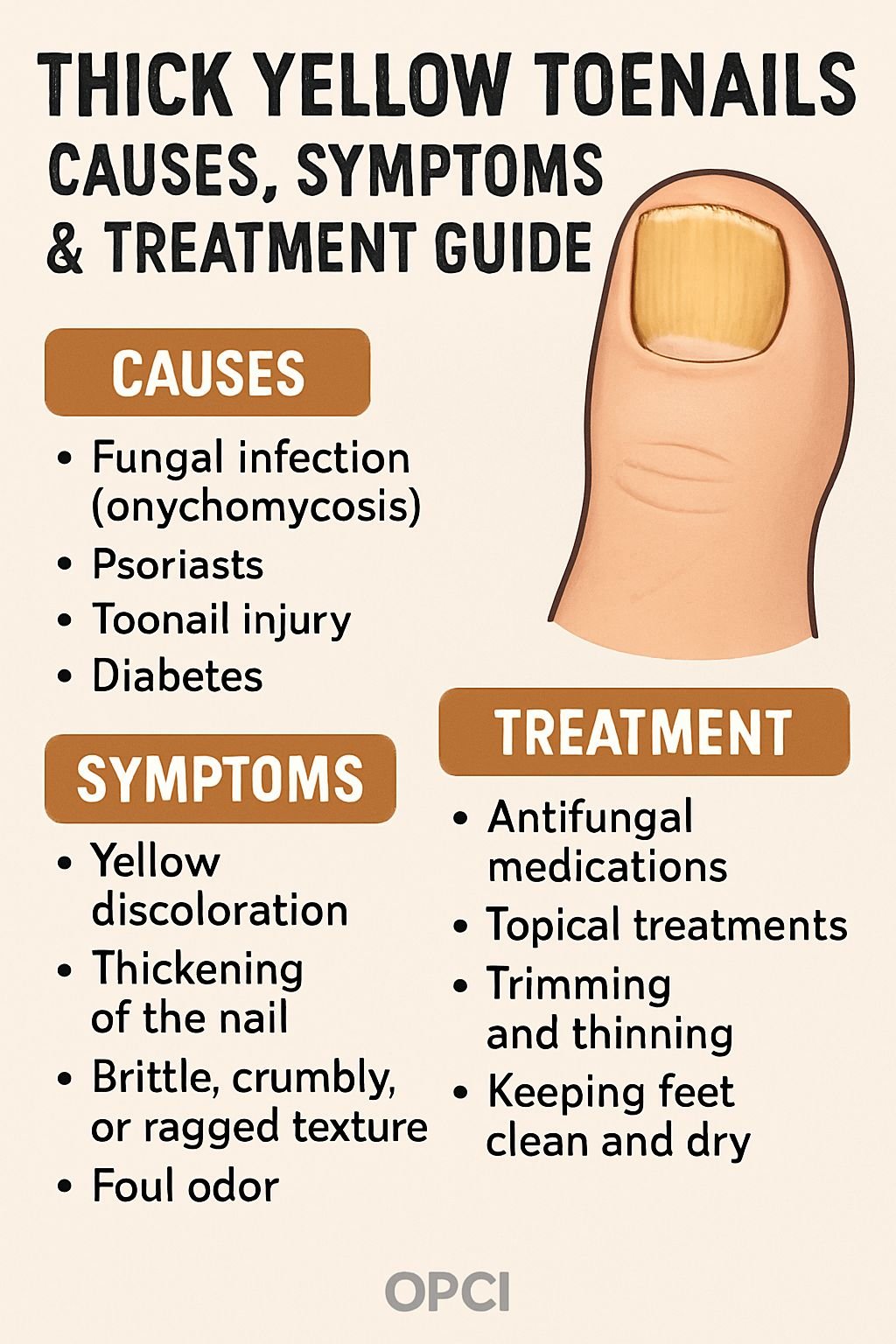
- Fungal infections (onychomycosis) are the most common cause of thick yellow toenails, affecting up to 14% of the population.
- Natural remedies like tea tree oil, apple cider vinegar soaks, and coconut oil can be effective first-line treatments for mild fungal nail infections.
- Yellow, thickened nails can sometimes indicate underlying health conditions including diabetes, psoriasis, or yellow nail syndrome.
- Consistent treatment is crucial – most natural remedies require 6-12 months of regular application to fully clear the infection.
- Prevention strategies including proper foot hygiene and breathable footwear can significantly reduce recurrence rates of fungal infections.
Discovering thick yellow toenails can be both unsightly and concerning. Whether you’ve noticed gradual changes or a sudden transformation in your nail appearance, understanding the root causes is the first step toward effective treatment.
As someone who’s helped countless people restore their nail health naturally, I’ve seen firsthand how the right approach can transform even severely damaged nails. The good news? Most cases of thick yellow toenails respond well to proper treatment, especially when caught early.
At Natural Wellness Today, we’ve researched the most effective evidence-based approaches to restoring nail health without harsh chemicals. Our comprehensive guide will walk you through understanding, treating, and preventing this common condition.
What’s Really Causing Your Thick Yellow Toenails?
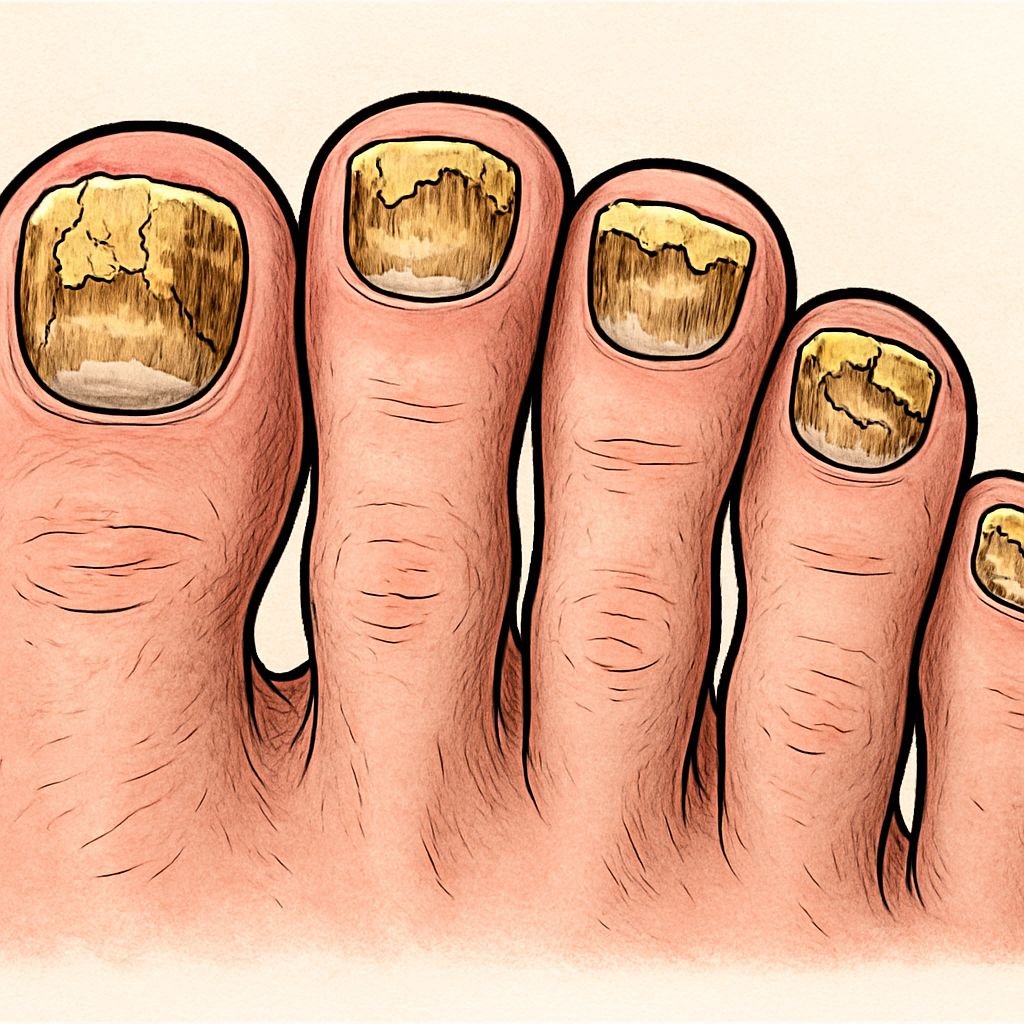
Thick yellow toenails rarely appear without reason. While they might seem like merely a cosmetic concern, they often signal an underlying issue that requires attention. Understanding the specific cause of your nail changes is crucial for choosing the right treatment approach.
Most people assume all yellow toenails are fungal infections – and while that’s often true, several other conditions can mimic these symptoms. Getting an accurate diagnosis ensures you don’t waste time with ineffective remedies or overlook potentially serious health concerns. For more information, check out this nail fungus diagnosis guide.
Fungal Infections: The Most Common Culprit
Onychomycosis, the medical term for fungal nail infection, accounts for approximately 50% of all nail abnormalities. These infections typically begin with subtle changes – a small yellow or white spot under the nail tip that gradually spreads. As the infection progresses, nails become increasingly discolored, thickened, and brittle, sometimes developing a distinctive odor.
Fungal infections thrive in warm, moist environments, which explains why they more commonly affect toenails than fingernails. Public spaces like swimming pools, gym showers, and locker rooms are primary transmission sites. Those with compromised immune systems, diabetes, or poor circulation face significantly higher risks of developing these persistent infections.
Fungal Infection Facts: Dermatophytes cause about 90% of toenail fungal infections, while yeasts and non-dermatophyte molds account for the remaining cases. This distinction matters because different fungi may respond to different treatment approaches.
Aging and Normal Changes
Not all nail changes indicate disease. As we age, nails naturally grow more slowly and may become thicker, more brittle, and slightly yellowish. This occurs as the nail matrix (the area where nail growth begins) undergoes age-related changes, reducing the efficiency of new nail formation.
Senior adults commonly experience these changes, especially after age 65. While these transformations are generally harmless, they can make nails more vulnerable to injury and infection. Regular maintenance becomes increasingly important with age to prevent complications.
Distinguishing between normal aging changes and pathological conditions often requires professional assessment. Generally, age-related yellowing affects all nails somewhat uniformly and isn’t accompanied by significant texture changes or pain. For more information on identifying different types of toenail conditions, you can refer to this guide on toenail fungus identification.
Injury and Trauma Effects
Physical trauma to the nail can trigger a cascade of changes that result in thickening and discoloration. When a toenail experiences significant impact – whether from dropping something heavy, stubbing your toe, or the repetitive pressure of ill-fitting shoes – the nail bed can respond by producing thicker, more irregular nail material.
Runners and athletes frequently develop traumatized toenails due to repetitive pressure against the front of athletic shoes. This condition, sometimes called “runner’s nail,” often affects the big toes and can lead to permanent nail changes if the trauma continues.
Blood under the nail (subungual hematoma) from acute injuries initially appears reddish-purple but can later take on a yellowish-brown hue as it resolves. Without proper care, injured nails become more susceptible to secondary fungal infections, compounding the problem.
- Acute trauma (dropping heavy objects on toes)
- Chronic pressure (tight shoes, high-impact sports)
- Repetitive microtrauma (long-distance running)
- Improper nail cutting techniques
- Nail biting or picking habits
Underlying Health Conditions
Thick yellow toenails sometimes serve as warning signs of systemic health issues. Certain conditions affect the body’s ability to maintain healthy nail tissue, resulting in characteristic changes that extend beyond simple discoloration.
Diabetes significantly increases the risk of fungal nail infections due to impaired circulation and immune function. Untreated, these infections can lead to serious complications, particularly for those with diabetic neuropathy who may not feel early warning signs of infection. Anyone with diabetes should pay careful attention to nail changes and seek prompt evaluation.
Psoriasis, an autoimmune condition causing rapid skin cell turnover, affects nails in about 50% of cases. Psoriatic nail changes include pitting, thickening, yellow-red discoloration, and separation from the nail bed. These changes often respond to the same treatments used for skin manifestations of psoriasis but may require specialized approaches.
7 Warning Signs Your Toenail Problem Needs Attention
While some nail changes resolve naturally or respond to home treatment, certain symptoms should never be ignored. Recognizing these warning signs can help you distinguish between minor concerns and those requiring professional intervention, potentially preventing complications and permanent nail damage. For more information on symptoms and remedies, check out this guide on understanding toenail fungus.
Discoloration Patterns to Watch For
Not all nail discolorations carry the same significance. Different patterns and color changes can provide important clues about underlying causes. Yellow-brown discoloration that begins at the edge and spreads inward typically indicates fungal infection. Dark streaks or bands, especially on a single nail, warrant immediate medical attention as they could signal melanoma, a dangerous form of skin cancer.
Discoloration Patterns to Watch For
Not all nail discolorations carry the same significance. Different patterns and color changes can provide important clues about underlying causes. Yellow-brown discoloration that begins at the edge and spreads inward typically indicates fungal infection. Dark streaks or bands, especially on a single nail, warrant immediate medical attention as they could signal melanoma, a dangerous form of skin cancer.
Greenish discoloration often suggests a bacterial infection (Pseudomonas), which requires different treatment than fungal infections. White spots or lines usually indicate minor trauma to the nail matrix, while uniform whitening of the entire nail may suggest more serious conditions like liver or kidney disease.
Texture and Thickness Changes
The texture of your nails provides valuable diagnostic information. Healthy nails should be smooth and relatively thin, with a consistent thickness throughout. When nails become abnormally thick, brittle, or develop ridges and grooves, it’s time to investigate further.
Spoon-shaped nails (koilonychia) that curve upward at the edges can indicate iron deficiency anemia or other systemic conditions. Horizontal ridges (Beau’s lines) often appear after severe illness, while longitudinal ridges typically result from normal aging. Extremely thick, overgrown nails that resemble claws (onychogryphosis) require professional treatment and may indicate chronic neglect or underlying circulatory problems.
Pain and Discomfort Signals
Healthy nails should never cause pain. When thick yellow toenails become painful, it’s a clear indication that immediate attention is required. Pain may signal an infection that has spread beyond the nail itself into surrounding tissue, or pressure from thickened nails against footwear. For more insights, explore the symptoms, causes, and remedies of toenail fungus.
Throbbing, pulsating pain typically indicates inflammation or infection, while sharp pain when pressure is applied to the nail can suggest an ingrown nail or subungual abscess. Tenderness around the nail fold often points to paronychia, an infection of the tissue surrounding the nail that requires prompt treatment. Never ignore pain associated with nail changes, as it can indicate complications that may worsen without intervention. For more information on nail issues, check out this guide on toenail fungus symptoms and remedies.
Spreading to Other Nails
When nail problems begin affecting multiple toes, it often indicates either a spreading infection or a systemic condition affecting nail growth throughout the body. Fungal infections commonly spread from one toe to adjacent toes, particularly in warm, moist environments like sweaty shoes or shower floors.
The pattern and speed of spread can provide important diagnostic clues. Rapid involvement of multiple nails may indicate an aggressive fungal strain or compromised immunity. Simultaneous changes in both fingernails and toenails more commonly suggest systemic conditions rather than local infections. Tracking the progression of nail changes can help determine both the cause and appropriate treatment approach.
Nail Separation
When the nail begins separating from the nail bed (onycholysis), it creates a space where bacteria and fungi can easily enter. This separation typically begins at the tip or sides of the nail and progresses backward toward the cuticle. Once separation occurs, the detached portion will never reattach – treatment focuses on protecting the new nail growth and preventing further separation. Learn more about toenail fungus and how it can affect nail health.
Natural Remedies That Actually Work for Yellow Toenails
Before reaching for prescription medications with potential side effects, many people prefer to try natural remedies for yellow toenails. These approaches can be particularly effective for mild to moderate fungal infections when used consistently over time. While natural remedies generally work more slowly than pharmaceutical options, they often come with fewer side effects and can be used alongside conventional treatments.
The key to success with natural treatments lies in persistence and proper application. Most natural remedies require daily use for several months to completely resolve the infection, as they must work gradually as the healthy nail grows out. Expecting overnight results will lead to disappointment – successful natural treatment requires patience and consistency.
When selecting natural remedies, quality matters significantly. Many commercial products contain diluted or low-quality ingredients that may not provide therapeutic benefits. Whenever possible, choose organic, therapeutic-grade products without artificial additives or preservatives that might irritate sensitive skin. For more information on effective approaches to treat toenail fungus, you can explore severe and mild toenail fungus treatment options.
- Apply remedies to clean, dry nails for best absorption
- Be consistent with daily applications for at least 3-6 months
- File down thickened nails before treatment to improve penetration
- Continue treatment until new, healthy nail has completely grown out
- Combine multiple natural approaches for synergistic effects
Tea Tree Oil Applications
Tea tree (Melaleuca alternifolia) oil stands out as one of the most researched natural antifungals, with multiple studies supporting its effectiveness against the organisms that cause nail fungus. This potent essential oil contains compounds like terpinen-4-ol that disrupt fungal cell membranes while stimulating the immune system. A 2013 study published in the Journal of Family Practice found that twice-daily application of 100% tea tree oil was comparable to clotrimazole cream in treating fungal nail infections.
To use tea tree oil effectively, apply 1-2 drops of undiluted oil directly to affected nails using a cotton swab or clean dropper, ensuring the oil penetrates under the nail and around the cuticle. For sensitive skin, dilute with equal parts carrier oil like coconut or olive oil. Consistent twice-daily application for at least 3-6 months typically yields the best results, though complete clearance may require longer treatment.
Apple Cider Vinegar Soaks
Apple cider vinegar creates an acidic environment hostile to fungal growth while preserving beneficial bacteria that help maintain skin health. The acetic acid in vinegar penetrates the nail plate to reach fungi beneath, making it particularly useful for infections that have spread under the nail. Prepare a foot bath by mixing equal parts raw, unfiltered apple cider vinegar and warm water, then soak affected feet for 20-30 minutes daily. Pat feet completely dry afterward, as moisture promotes fungal growth. For more information on managing toenail fungus, visit this helpful resource.
Oregano Oil Treatment
Oregano oil contains two potent compounds – carvacrol and thymol – that exhibit strong antifungal properties against even resistant strains of fungi. This powerful essential oil should always be diluted before application, as it can cause significant irritation to sensitive skin. Mix 2-3 drops of oregano oil with 1 teaspoon of olive or coconut oil, then apply to affected nails using a cotton swab twice daily. For enhanced penetration, consider warming the mixture slightly before application to increase absorption into the nail plate.
Garlic’s Antifungal Properties
Garlic contains allicin, a sulfur compound with broad-spectrum antimicrobial properties effective against many fungi, including those causing nail infections. Fresh garlic provides the most potent antifungal benefits, as allicin forms when the clove is crushed or damaged. Crush 2-3 garlic cloves and mix with olive oil to create a paste, then apply directly to affected nails, cover with a bandage, and leave overnight. Alternatively, add crushed garlic to warm coconut oil, strain after cooling, and apply the infused oil to nails twice daily.
While garlic’s pungent odor presents an obvious drawback, its effectiveness makes it worth considering, particularly for stubborn infections. Those who find the smell objectionable might prefer using it only for overnight treatments or combining it with a few drops of lavender essential oil to help mask the odor. For more severe cases, you might want to explore effective approaches for severe toenail fungus treatment.
Coconut Oil’s Moisturizing Benefits
Virgin coconut oil contains medium-chain fatty acids including lauric acid, caprylic acid, and capric acid – all of which demonstrate antifungal properties. Unlike some harsher treatments that can dry surrounding skin, coconut oil moisturizes while fighting infection, making it ideal for those with sensitive skin or diabetes. Gently warm solid coconut oil until just liquefied, then massage into affected nails, ensuring the oil penetrates under and around the nail. For enhanced effectiveness, add 2-3 drops of tea tree or oregano oil to one tablespoon of coconut oil before application. Learn more about stubborn nail fungus home treatment methods for effective results.
Beyond its antifungal properties, coconut oil helps prevent the nail brittleness that often accompanies fungal infections. The oil’s moisturizing effects keep nails flexible and less prone to cracking – important for preventing further infection spread and improving the appearance of damaged nails during the healing process. Apply after bathing when nails are most receptive to absorption, and consider using cotton gloves or socks after application for deeper penetration.
Medical Treatments: When to Consider Professional Help
While natural remedies can be effective for mild to moderate cases, severe or persistent nail fungus often requires medical intervention. Consider seeking professional treatment if your infection hasn’t improved after 3-4 months of consistent natural treatments, if it’s causing significant pain or spreading to other nails, or if you have diabetes or circulation problems that increase your risk of complications.
Prescription Oral Antifungals
Oral medications like terbinafine (Lamisil) and itraconazole (Sporanox) work from within the body, reaching the nail through the bloodstream. These systemic treatments are typically the most effective option for severe infections, with success rates of 70-80%. However, they require liver function monitoring due to potential side effects and typically involve 6-12 weeks of treatment. Your doctor may recommend periodic liver enzyme tests to ensure the medication isn’t causing adverse effects during the treatment course.
Topical Medication Options
Prescription-strength topical solutions like ciclopirox (Penlac) or efinaconazole (Jublia) offer higher concentrations of antifungal agents than over-the-counter options. These medicated nail polishes or solutions are applied directly to affected nails daily for up to 48 weeks. While generally safer than oral medications, they tend to be less effective for severe infections or those that have spread extensively under the nail plate. The success rate for topical prescription treatments ranges from 30-65%, depending on infection severity and consistent application.
Laser Therapy Effectiveness
Newer laser treatments target fungi without damaging surrounding tissue, offering a potentially faster solution without medication side effects. These treatments use specific wavelengths that penetrate the nail to destroy fungal cells while leaving healthy tissue unharmed. While promising, laser therapy typically requires multiple sessions spaced several weeks apart and may not be covered by insurance. Research shows varied success rates between 30-80%, with best results typically requiring combination therapy with topical antifungals.
The effectiveness of medical treatments depends greatly on patient compliance and following post-treatment preventive measures. Even the most powerful antifungal medications won’t provide lasting results if proper foot hygiene and preventive practices aren’t maintained after treatment completion. Many doctors recommend continuing preventive measures for 6-12 months after apparent cure to prevent recurrence.
Daily Habits to Prevent Yellow Toenails
Prevention truly is the best medicine when it comes to toenail fungus. Once you’ve experienced the challenge of treating thick yellow toenails, you’ll understand why developing consistent preventive habits is so crucial. Implementing these strategies can significantly reduce your risk of initial infection or recurrence after successful treatment.
The fungal organisms that cause nail infections are incredibly common in our environment. Rather than trying to avoid them entirely (which is virtually impossible), focus instead on creating conditions where they cannot thrive and multiply. Consistency with preventive measures is far more important than their intensity. For more detailed information, you can explore understanding toe nail fungus including its symptoms, causes, and remedies.
Proper Foot Hygiene Techniques
Thorough daily foot cleaning forms the cornerstone of prevention. Wash feet daily with mild soap, paying special attention to the spaces between toes where moisture accumulates. After washing, dry feet completely, especially between toes, using a clean towel or hair dryer on a cool setting. Consider applying antifungal powder or spray to dry feet before putting on socks, particularly if you’re prone to sweating or have experienced fungal infections previously.
Smart Footwear Choices
The shoes you wear significantly impact your risk of developing toenail fungus. Choose breathable footwear made from natural materials like leather or canvas that allow air circulation and moisture evaporation. Avoid plastic or synthetic shoes that trap heat and sweat against your feet for extended periods. For more information on how to prevent toenail fungus, visit this comprehensive guide.
Rotate between at least two pairs of shoes, allowing each pair to dry completely for 24 hours between wearings. For athletic activities, consider shoes specifically designed with moisture-wicking properties and adequate ventilation. When possible, remove shoes during the day to allow feet to breathe, and consider using UV shoe sanitizers that kill fungal spores in footwear between uses.
Nail Care Routines
Proper Toenail Trimming Technique
1. Cut nails straight across, never rounded at corners
2. Keep nails at moderate length – not too short or long
3. Use sanitized clippers designated only for toenails
4. Smooth edges with a clean emery board
5. Never cut or dig into the corners of nails
Establish a regular nail care routine that includes proper trimming and inspection. Cut toenails straight across rather than in a curved shape, which can encourage ingrown nails. Keep nails at a moderate length—too short increases injury risk, while too long creates spaces where fungi can enter. File down thickened areas gently to prevent pressure and discomfort.
Avoid DIY treatments for severely ingrown or infected nails. Home surgery often worsens conditions and creates entry points for infection. Instead, seek professional care from a podiatrist who can safely address these issues while preventing further complications.
Never share nail tools, as this is a common transmission route for fungal infections. Sanitize personal nail clippers, files, and other implements after each use with isopropyl alcohol or by soaking in a diluted bleach solution. Replace tools that show signs of wear, as damaged surfaces can harbor pathogens resistant to cleaning methods.
Your Action Plan for Healthier Toenails
Transforming yellow, thickened toenails into healthy, clear ones requires a comprehensive approach and consistent effort. Begin by accurately identifying the underlying cause through professional diagnosis if possible. Choose treatment methods appropriate to your specific condition, combining natural remedies for mild cases or seeking medical intervention for severe or persistent infections. Implement preventive measures daily, even after apparent resolution, as reinfection rates remain high without ongoing protective habits. Document your progress with weekly photos to maintain motivation during the lengthy healing process, and remember that complete resolution typically requires patience as healthy new nail grows out fully—a process that can take 6-12 months for most people.
Frequently Asked Questions
Navigating the world of toenail treatments can feel overwhelming, especially with so much conflicting information available online. These answers to common questions are based on current scientific understanding and clinical experience, rather than marketing claims or anecdotal evidence. For more information on toenail fungus, check out this comprehensive guide.
Remember that while general guidelines are helpful, individual circumstances vary widely. When in doubt, consulting with a healthcare provider who can examine your specific condition will always provide the most accurate guidance for your situation.
How long does it take to cure fungal nail infections naturally?
Natural remedies typically require consistent application for 6-12 months to completely clear fungal nail infections. This extended timeframe reflects the slow growth rate of toenails—approximately 1-2mm per month—meaning a full nail replacement takes nearly a year. Visible improvements often begin within 3-4 months as the new, healthy nail begins growing from the base. Patience and persistence are essential, as premature discontinuation of treatment frequently leads to recurrence. For best results, continue treatments until the entire nail has been replaced with clear, healthy growth.
Can yellow toenails be a sign of diabetes?
Yes, yellow toenails can indeed signal diabetic complications. People with diabetes are up to three times more likely to develop fungal nail infections due to compromised circulation and immune function. Additionally, diabetic neuropathy may prevent you from noticing early nail changes or injuries that lead to infection. Any diabetic patient noticing nail discoloration, thickening, or changes in texture should consult their healthcare provider promptly, as these can progress to more serious complications if left untreated. Regular foot checks should be part of every diabetic’s self-care routine.
Is it safe to get pedicures with yellow toenails?
Professional pedicures with active fungal infections present risks in both directions—you may spread the infection to others or expose your already compromised nails to different pathogens. Wait until your infection has cleared completely before seeking professional nail services. If you do decide to get a pedicure while recovering, bring your own sterilized tools, inform your technician about your condition, and request they not use shared foot baths. Reputable salons should be willing to accommodate these requests, and some even specialize in medical pedicures for those with nail health concerns.
After your pedicure, apply your prescribed or chosen antifungal treatment immediately to prevent any potential new contamination from taking hold. Remember that cosmetic nail treatments like polish can hide important visual cues about your infection’s progress, potentially delaying appropriate treatment adjustments.
Will nail polish make yellow toenails worse?
Nail polish creates a sealed environment that traps moisture and restricts oxygen flow to the nail, potentially worsening fungal infections. Most dermatologists and podiatrists recommend avoiding polish entirely until infections are completely resolved. If you absolutely must use polish for special occasions, remove it as soon as possible afterward and continue your treatment regimen.
For those seeking cosmetic improvement during treatment, newer “breathable” nail polishes claim to allow water and oxygen transmission. While these may be less problematic than traditional formulas, they still potentially interfere with treatment effectiveness. If appearance concerns are significant, discuss with your healthcare provider whether water-permeable polishes might be compatible with your specific treatment plan.
Can thick yellow toenails ever return to normal?
Yes, most thick yellow toenails can return to normal appearance with appropriate treatment and patience. The degree of recovery depends on several factors including infection duration, severity, underlying causes, and individual nail growth patterns. Nails infected for many years may have developed permanent matrix damage, resulting in some residual thickness or irregularity even after the infection resolves. However, significant improvement is possible for most people. For more information on effective treatment approaches, consider exploring severe and mild toenail fungus treatments.
For optimal restoration, combine diligent treatment with gentle mechanical reduction (filing) of thickened areas to allow better medication penetration and reduce pressure. Keep expectations realistic—complete transformation typically requires the entire nail to grow out, which takes 6-12 months. Some people benefit from professional nail debridement (careful removal of damaged nail tissue) by a podiatrist to accelerate the healing process.
The journey to healthier nails requires patience, but thousands have successfully transformed their thick yellow toenails through consistent care and appropriate treatment. By understanding the underlying causes, selecting effective remedies, and maintaining preventive habits, you too can enjoy the confidence of clear, healthy nails again. For personalized treatment recommendations based on your specific condition, consult with effective approaches to toenail fungus treatment where we specialize in natural approaches to restoring nail health.
