 Nail Fungus Cures Instant Cures for Painful Nails and Fungus


Recognizing the Symptoms of Toe Nail Fungus
Toe nail fungus, medically known as onychomycosis, manifests through a variety of symptoms that can significantly affect the quality of life. One of the most common signs of this fungal infection is discoloration of the nail, often presenting as yellow, brown, or even white patches. This discoloration is typically caused by the fungi invading the nail bed, leading to changes in pigmentation that can be unsightly and concerning for individuals.
Additionally, the thickness of the affected nail may increase noticeably. A healthy nail should be smooth and uniform, but with toe nail fungus, one may observe that the nail has become thickened or distorted. This thickening not only contributes to an unattractive appearance but can also lead to difficulties in proper nail trimming and even discomfort when wearing shoes. As the infection progresses, the texture of the nail may change, becoming brittle, crumbled, or ragged, further exacerbating the issue.
In some cases, individuals with toe nail fungus can experience pain or discomfort. Although not all cases result in pain, inflammation and nail damage can cause sensitivity. It is essential to be attentive to these symptoms, as some individuals may not realize they have an infection until it becomes severe enough to cause physical discomfort.
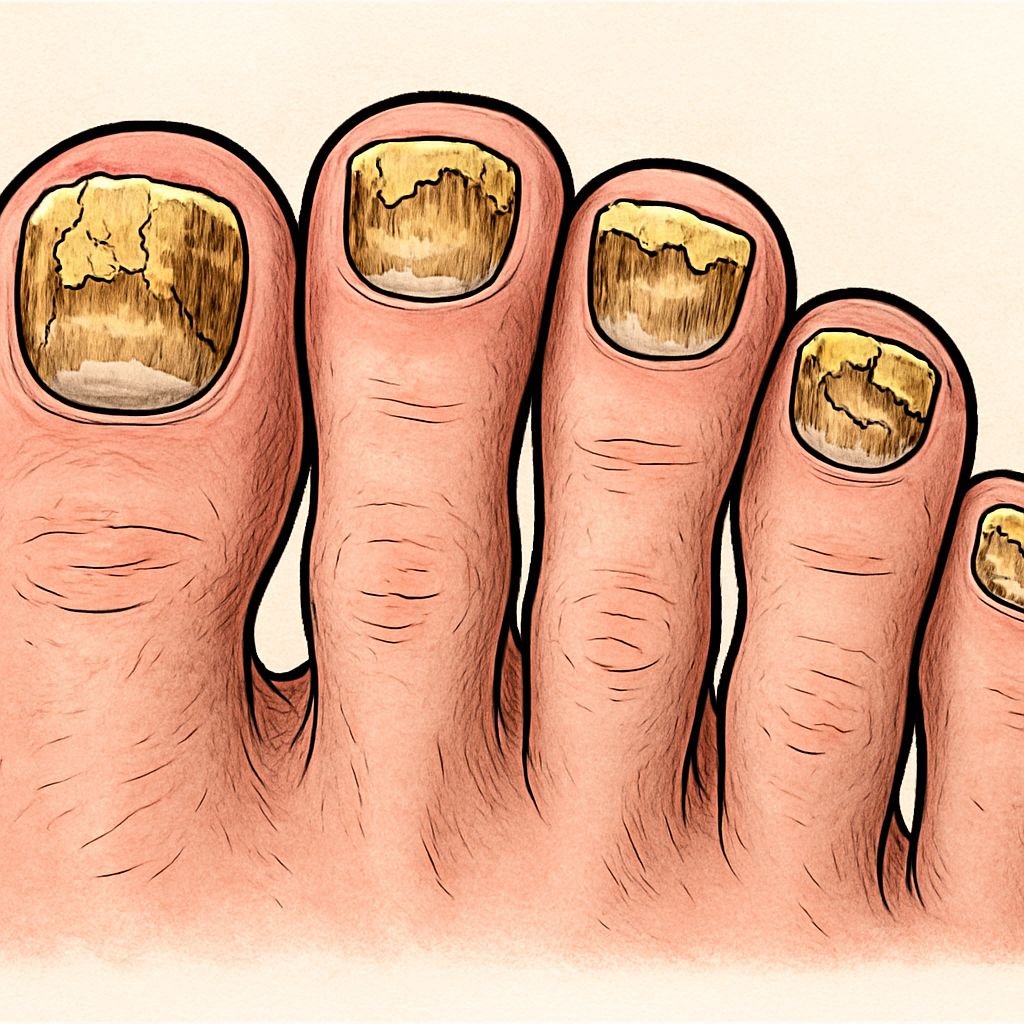
The severity and combination of these symptoms can vary significantly from person to person. Some may experience mild symptoms that are easily overlooked, while others may develop severe manifestations of the condition. Given the potential for escalating complications, early recognition of symptoms is crucial. If any of these signs are present, seeking a professional diagnosis from a healthcare provider is highly recommended to address the issue effectively and prevent further complications.
Identifying the Causes of Toe Nail Fungus
Toe nail fungus, medically known as onychomycosis, is a common condition that can stem from several underlying causes. One of the primary factors contributing to its development is environmental conditions, specifically moisture and warmth. Fungi thrive in damp environments, and the spaces between toes and inside shoes often provide the perfect breeding ground. Individuals who frequently expose their feet to wet conditions, such as swimmers or those who wear wet shoes, are at an increased risk of developing toe nail fungus.
Behavioral aspects also play a significant role in the onset of this infection. Wearing tight shoes can lead to increased friction and inadequate ventilation, creating an ideal environment for fungal growth. In contrast, going barefoot in public places, such as community pools, gyms, or locker rooms, elevates the risk of direct fungal exposure. In such high-traffic areas, the likelihood of encountering various fungi is significantly higher, making it essential to be cautious about foot hygiene in these environments.
Additionally, certain underlying health conditions can make individuals more susceptible to toe nail fungus. For instance, those with diabetes often have compromised circulation and immune function, which can hinder the body’s ability to fight off infections. Other health issues, such as psoriasis or peripheral vascular disease, can similarly contribute to an increased risk of fungal infections. Individuals with weakened immune systems, due to conditions like HIV/AIDS or cancer treatments, are also more prone to develop fungal-related issues.
In summary, recognizing the prominent causes of toe nail fungus is critical for prevention and treatment. By understanding the environmental factors, behavioral concerns, and health-related risks associated with this infection, individuals can take proactive measures to safeguard their foot health.
Exploring Home Remedies for Toe Nail Fungus
Toe nail fungus, also known as onychomycosis, can be a persistent and distressing condition. Many individuals seek alternative treatment options, such as home remedies, to alleviate symptoms and combat the infection effectively. Some of the most popular natural treatments include tea tree oil, vinegar, and garlic. Each of these remedies has its own mechanism of action and varying levels of anecdotal support.
Tea tree oil is often recognized for its antifungal and antiseptic properties. Derived from the Melaleuca alternifolia plant, this essential oil can be applied directly to the infected nail and surrounding skin. To utilize tea tree oil, it is advisable to dilute it with a carrier oil, such as coconut or olive oil, to minimize potential skin irritation. Research indicates that tea tree oil may combat fungal infections, although more robust, peer-reviewed studies are needed to confirm its effectiveness consistently.
Another widely used home remedy is vinegar, specifically white vinegar or apple cider vinegar. The acidic nature of vinegar creates an inhospitable environment for fungal growth. Soaking the infected toes in a vinegar solution (mixing one part vinegar with two parts water) for about 30 minutes daily is a common recommendation. Anecdotal evidence suggests that regular use may help in reducing symptoms over time; however, scientific research on its efficacy against nail fungus remains limited.
Garlic is also hailed as a natural antifungal agent. It contains allicin, which is known for its antimicrobial properties. applying crushed garlic directly to the infected area or consuming it regularly may provide some benefits in combating the infection. While individual testimonials abound, rigorous clinical studies to validate these claims on garlic as a cure for toe nail fungus are still lacking.
In conclusion, while home remedies for toe nail fungus such as tea tree oil, vinegar, and garlic are widely discussed and utilized, their effectiveness can vary significantly between individuals. It is advisable to consult a healthcare professional before starting any home treatment, especially if one’s condition persists or worsens.
Medical Treatments and Cures for Toe Nail Fungus
Toe nail fungus, clinically known as onychomycosis, often requires medical intervention, particularly in moderate to severe cases. There are several treatment options available, encompassing both topical and oral antifungal therapies. Topical medications, such as ciclopirox and efinaconazole, are commonly prescribed. These treatments are typically applied directly to the affected nail and surrounding skin. Though they may take several months to yield noticeable results, they can effectively combat mild fungal infections with minimal side effects, which often include localized irritation or redness.
For more entrenched infections, oral antifungal medications, like terbinafine and itraconazole, may be warranted. These drugs work systemically, targeting the fungus from within. The duration of oral treatment can extend from six weeks to several months, depending on the severity of the infection. While effective, these medications carry potential side effects, such as liver toxicity, and may require routine blood tests to monitor liver function. It’s crucial for individuals considering this option to discuss the benefits and risks with their healthcare provider.
In some instances, surgical intervention may become necessary, particularly if the infection is persistent and other treatments have failed. This could involve the partial or complete removal of the infected nail. Following surgery, individuals usually require follow-up treatment to prevent recurrence. Additionally, newer therapies, such as laser treatments, have emerged, showing promise in eradicating toenail fungus with less risk of adverse effects. This approach involves directing focused light energy at the fungal infection, though more research is needed to establish its long-term effectiveness.
Regardless of the treatment path chosen, patients should maintain regular follow-ups with their healthcare providers to monitor progress and make necessary adjustments to their treatment plan. This collaborative approach maximizes the chances of successful treatment and minimizes the risk of recurrence, ultimately leading to healthier nails.